

PVA Wood Glue and PVA Adhesive: A Complete Guide to Versatile Bonding Solutions
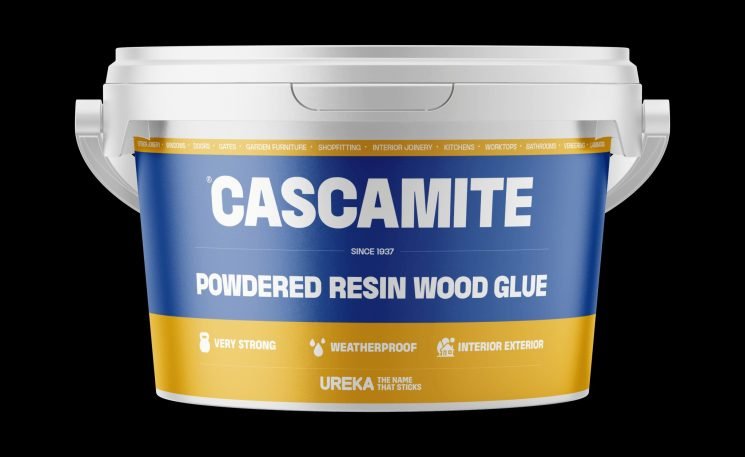
In the world of woodworking, construction, crafting, and DIY projects, selecting the right adhesive can make a significant difference in the quality and durability of the final result. Among the many bonding products available today, PVA wood glue and PVA adhesive remain some of the most widely used and trusted options. Known for their versatility, ease of application, and reliable bonding performance, these adhesives have become essential tools for professionals and hobbyists alike.
Whether you’re assembling furniture, repairing wooden items, or working on creative craft projects, understanding the benefits and applications of PVA-based adhesives can help you achieve stronger and longer-lasting results.
What Is PVA Adhesive?
PVA adhesive stands for Polyvinyl Acetate adhesive, a synthetic polymer commonly used as a water-based glue. It is recognized for its strong bonding properties, non-toxic nature, and ease of use. Because it is water-soluble before drying, PVA adhesive is simple to clean and apply, making it suitable for a wide range of applications.
One of the reasons PVA adhesive is so popular is its versatility. It can bond porous materials such as wood, paper, fabric, cardboard, and certain building materials. As a result, it is frequently used in woodworking, packaging, education, crafts, and construction industries.
Understanding PVA Wood Glue
PVA wood glue is a specialized form of PVA adhesive designed specifically for woodworking applications. It provides strong bonds between wood surfaces and is often used in furniture manufacturing, cabinet making, carpentry, and home improvement projects.
Unlike some adhesives that create a rigid or brittle connection, PVA wood glue forms a durable bond that can withstand everyday use while maintaining the integrity of the wood. Many woodworkers prefer PVA wood glue because it dries relatively quickly, is easy to sand, and often creates a bond stronger than the wood itself when applied correctly.
Key Benefits of PVA Wood Glue
Strong Bonding Performance
One of the primary advantages of PVA wood glue is its ability to create strong and reliable joints between wooden surfaces. When properly clamped and allowed to cure, the bond can provide long-lasting durability.
Easy Application
PVA wood glue is user-friendly and can be applied with brushes, rollers, or directly from the bottle. This simplicity makes it suitable for both professionals and beginners.
Non-Toxic and Safe
Many PVA-based adhesives are formulated to be non-toxic and low in odor, making them suitable for indoor use and educational environments.
Easy Cleanup
Before the glue dries, excess adhesive can typically be cleaned using water, reducing mess and simplifying project completion.
Sandable and Paintable
Once cured, PVA wood glue can usually be sanded and painted, allowing for seamless integration into finished woodworking projects.
Common Applications of PVA Adhesive
The versatility of PVA adhesive makes it useful across numerous industries and projects.
Woodworking
Furniture assembly, cabinet construction, and wood repairs are among the most common uses for PVA wood glue.
Arts and Crafts
Schools, artists, and hobbyists frequently use PVA adhesive for paper crafts, decorative projects, and model building.
Bookbinding
The flexibility and strong bonding characteristics of PVA adhesive make it suitable for bookbinding and paper-based applications.
Construction
Certain types of PVA adhesive are used in construction projects as bonding agents or additives in specialized applications.
Packaging
Manufacturers often utilize PVA adhesive in packaging processes due to its reliability and ease of application.
How to Use PVA Wood Glue Effectively
To achieve the best results with PVA wood glue, proper application techniques are essential.
Prepare the Surface
Ensure that wood surfaces are clean, dry, and free from dust, grease, or contaminants that may interfere with bonding.
Apply Evenly
Spread the glue evenly across the bonding surface. Excessive glue application may not improve bond strength and can create unnecessary cleanup.
Clamp the Joint
Applying pressure through clamps helps ensure proper contact between surfaces and promotes a stronger bond.
Allow Adequate Drying Time
Although PVA wood glue may set relatively quickly, full curing can take longer. Following the manufacturer’s recommendations is important for optimal performance.
Remove Excess Glue
Wipe away excess adhesive before it dries to achieve a cleaner finished appearance.
Choosing the Right PVA Adhesive
Not all PVA adhesives are identical. Different formulations are designed to meet specific performance requirements.
When selecting a PVA adhesive, consider factors such as:
- Intended application
- Indoor or outdoor use
- Drying time requirements
- Water resistance
- Bond strength
- Material compatibility
For woodworking projects, choosing a high-quality PVA wood glue specifically formulated for wood bonding can help maximize performance and durability.
Why Professionals Continue to Trust PVA-Based Adhesives
Despite the availability of many modern adhesive technologies, PVA adhesive remains a preferred choice for countless professionals. Its combination of affordability, reliability, ease of use, and versatility has allowed it to maintain its popularity across industries.
Woodworkers appreciate the clean finish and strong joints provided by PVA wood glue, while educators and hobbyists value its safety and convenience. This broad appeal makes PVA-based products a staple in workshops, classrooms, and manufacturing facilities worldwide.
Conclusion
Both PVA wood glue and PVA adhesive offer practical and dependable solutions for a wide variety of bonding applications. Their strong performance, ease of use, affordability, and versatility have made them essential products in woodworking, construction, crafting, and manufacturing.
Whether you are building furniture, repairing household items, or working on creative DIY projects, selecting the right PVA adhesive can help ensure durable and professional-quality results. As one of the most trusted adhesive technologies available, PVA continues to play a vital role in projects large and small across countless industries.

- Share

YOU MIGHT ALSO ENJOY

Why Is Book Printing for Institutes Essential for Quality Education?
Stephen Romero - July 22, 2026
Why Should You Choose Oak Engineered Hardwood Flooring for Your Home?
Stephen Romero - July 22, 2026

What Do Retail Construction Contractors London Offer?
Stephen Romero - July 22, 2026
search
FAST ACCESS
- art&gallery (11)
- Automotive (27)
- beauty (12)
- blog (966)
- Business (1,366)
- car (1)
- cleening (27)
- clinic (1)
- Commercial Cleaning (1)
- courier services (7)
- Cybersecurity (1)
- dentel care (16)
- Driving school (13)
- electronics (1)
- events (2)
- food (3)
- forests (11)
- gameing (11)
- Health (79)
- Health & Fitness (219)
- Home & Garden (16)
- Home Improvement (1)
- Landscaping (1)
- Law (17)
- Lifestyle (18)
- machinery (5)
- Pest Control (1)
- Real Estate (20)
- Share Market (15)
- Shopping (22)
- Software Development (2)
- Technology (47)
- tool (2)
- toys (2)
- Trade Show Marketing (1)
- Travel (57)
- Wedding & Events (377)

must read
Condos à vendre Laurentides : Pourquoi Saint-Sauveur Attire Autant les Acheteurs
Stephen Romero - July 23, 2026
Latest Technologies in Software Development Transforming Modern Businesses
Stephen Romero - July 23, 2026
Why Should You Choose Oak Engineered Hardwood Flooring for Your Home?
Stephen Romero - July 22, 2026
recent post


ADVERTISEMENT

ARCHIVES
- July 2026 (202)
- June 2026 (319)
- May 2026 (244)
- April 2026 (197)
- March 2026 (174)
- February 2026 (179)
- January 2026 (210)
- December 2025 (151)
- November 2025 (132)
- October 2025 (105)
- September 2025 (166)
- August 2025 (164)
- July 2025 (150)
- June 2025 (172)
- May 2025 (97)
- April 2025 (1)
- March 2025 (8)
- February 2025 (9)
- January 2025 (8)
- December 2024 (25)
- November 2024 (40)
- October 2024 (11)
- September 2024 (1)
- July 2024 (10)
- June 2024 (11)
- May 2024 (31)
- April 2024 (15)
- March 2024 (19)
- February 2024 (6)
- January 2024 (7)
- December 2023 (11)
- November 2023 (1)
- October 2023 (2)
- July 2023 (13)
- June 2023 (21)
- May 2023 (27)
- April 2023 (23)
- March 2023 (16)
- February 2023 (31)
- January 2023 (27)
- December 2022 (11)
- November 2022 (12)
- October 2022 (11)
- September 2022 (11)
- August 2022 (14)
- July 2022 (13)
- June 2022 (19)
- May 2022 (17)
- April 2022 (10)
- March 2022 (12)
- February 2022 (8)
- January 2022 (9)
- December 2021 (19)
- November 2021 (4)
- October 2021 (6)
- September 2021 (4)
- August 2021 (4)
- July 2021 (10)
- June 2021 (6)
- May 2021 (2)
- April 2021 (2)
- March 2021 (45)
- August 2020 (31)
- July 2020 (30)
- June 2020 (29)