

What Factors Should You Consider When Selecting a Soft Robotic Gripper?
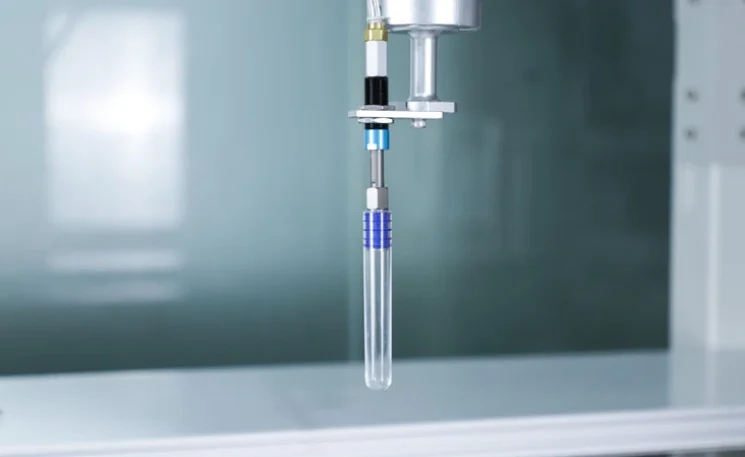
Industries increasingly use automation to improve productivity, consistency, and workplace safety. However, traditional robotic grippers may struggle when they need to handle delicate, irregular, or flexible objects. A Soft robotic gripper provides an alternative by using flexible materials and adaptive movements to handle products with less risk of damage. From food processing to manufacturing and logistics, soft gripping technology can support a wide range of automation tasks.
Choosing the right gripper requires more than looking at its appearance or basic specifications. Businesses should consider factors such as the objects they need to handle, gripping force, payload, material compatibility, operating environment, control requirements, and maintenance. Understanding these factors helps companies select a solution that fits their automation goals.
Why Does the Application Matter When Choosing a Soft Robotic Gripper?
The first step involves understanding the application. Every automation task has different requirements. A gripper designed to pick vegetables may not work effectively for metal components or fragile electronic parts.
Consider the object’s size, weight, shape, texture, and surface condition. Products with irregular shapes often benefit from flexible fingers that can conform to their surfaces. Similarly, delicate items require controlled gripping force to prevent crushing, scratching, or deformation.
Before selecting a Soft robotic gripper, identify the exact objects that the robotic system will handle. This information helps you determine the required grip style, finger design, payload, and control method.
How Does Gripping Force Affect Performance?
Gripping force plays an important role in reliable automation. A gripper must hold an object securely without applying excessive pressure. Too little force can cause products to slip or fall, while excessive force can damage sensitive items.
Soft gripping systems typically distribute pressure across a larger contact area. This feature can help robots handle delicate products more safely. However, the required force still depends on the object’s weight, surface texture, friction, and movement speed.
When comparing different solutions, check whether the gripper allows precise force control. Adjustable gripping force can make the system more versatile and allow operators to handle different product types.
What Payload Capacity Should You Look For?
Payload capacity determines how much weight the gripper can safely handle. Businesses should calculate the total load rather than considering only the product’s weight.
For example, the robot must support the object, gripper, mounting hardware, and any additional tooling. Selecting a gripper with an appropriate capacity helps maintain stable operation and reduces unnecessary strain on the robotic system.
Avoid choosing a system based solely on maximum payload specifications. Real-world applications may involve acceleration, rapid movement, and repeated cycles. A suitable safety margin can help maintain reliable performance during continuous operation.
How Important Are Object Shape and Surface Texture?
Object geometry strongly influences gripping performance. Traditional rigid grippers often require precise contact points, while soft gripping technology can adapt to different shapes.
A Soft robotic gripper can conform to curved, uneven, or irregular surfaces. This adaptability makes it useful for applications involving products that vary slightly in shape or orientation.
Surface texture also matters. Smooth, oily, wet, porous, or delicate surfaces can affect grip reliability. When evaluating a gripper, test it with actual production materials whenever possible. Laboratory demonstrations may not accurately represent real operating conditions.
Which Materials Should You Consider?
The material used in the gripper affects durability, flexibility, hygiene, and product compatibility. Common soft gripper designs use materials such as silicone, elastomers, rubber-like polymers, or other flexible compounds.
Food-processing applications may require materials that meet appropriate hygiene and cleaning requirements. Manufacturing environments may require resistance to oils, chemicals, abrasion, or temperature changes.
Ask manufacturers about material properties, expected service life, cleaning procedures, and compatibility with your operating environment. Choosing the right material can improve both performance and long-term reliability.
How Does Speed Influence Your Choice?
Automation systems often need to balance flexibility with production speed. A gripper that handles delicate objects extremely well may operate differently from one designed for high-speed industrial picking.
Evaluate the required pick-and-place cycle time before making a decision. If the robot must perform hundreds or thousands of cycles per hour, the gripper needs to support the required speed without compromising grip reliability.
The best solution depends on the application. A slower, more controlled movement may suit fragile products, while a faster system may suit durable items that require high throughput.
What Control System Compatibility Should You Check?
A gripper must communicate effectively with the robotic system. Before purchasing, check compatibility with the robot’s controller, sensors, pneumatic or electrical systems, and software environment.
Some soft gripping technologies use pneumatic pressure, while others use electrical or mechanical actuation. Each approach has different installation and control requirements.
A straightforward integration process can reduce downtime and engineering costs. Ask whether the manufacturer provides communication interfaces, control software, documentation, and technical support.
Why Should You Consider Maintenance Requirements?
Every automated component requires maintenance, and soft grippers are no exception. Flexible materials can experience wear when they operate repeatedly or encounter sharp edges and abrasive surfaces.
Before selecting a product, learn how often it requires inspection and which components need replacement. Check whether replacement fingers, seals, membranes, or other parts are readily available.
Easy maintenance can reduce production interruptions. A design that allows technicians to replace worn components quickly may provide practical benefits over the long term.
How Does the Operating Environment Affect Selection?
The workplace environment can significantly influence gripper performance. Temperature, humidity, dust, chemicals, water, and cleaning processes may affect flexible materials and mechanical components.
For example, food-processing facilities may require frequent washing and sanitation, while industrial environments may expose equipment to oils or dust. Consider environmental conditions during the selection process rather than treating them as an afterthought.
A supplier should provide information about operating temperature ranges, material resistance, cleaning requirements, and environmental limitations.
What Role Does Product Flexibility Play?
Businesses often handle multiple products on the same production line. In such situations, flexibility can become a major advantage.
A Soft robotic gripper can potentially handle different shapes and sizes without requiring extensive tooling changes. This flexibility can help manufacturers adapt production lines to changing product requirements.
Soft gripping can also support automation in applications where traditional rigid tooling requires frequent adjustments. When evaluating flexibility, consider how many product types the gripper can handle and whether operators can adjust it easily.
How Should You Evaluate Supplier Support?
Technical support can influence the success of an automation project. Even a capable gripper may require setup, calibration, integration, and troubleshooting.
Look for suppliers that provide clear technical documentation, application guidance, training, spare parts, and responsive support. Companies such as Soft Robotics Inc have helped bring soft robotic gripping concepts into industrial automation discussions, making supplier expertise an important consideration when evaluating available technologies.
Ask potential suppliers about installation support, testing options, replacement components, warranties, and integration assistance. These services can simplify deployment and reduce unexpected downtime.
How Can You Compare Total Cost Instead of Purchase Price?
The initial purchase price should not become the only selection criterion. Businesses should consider the total cost of ownership.
Installation, integration, energy consumption, maintenance, replacement parts, downtime, and operator training can all contribute to the long-term cost. A gripper with a higher initial price may have different operating costs from a lower-priced alternative.
Calculate the expected return based on productivity, reduced product damage, labor savings, and operational reliability. This broader comparison can help you understand the actual value of the automation investment.
What Testing Should You Complete Before Choosing?
Testing provides valuable information before full-scale implementation. Whenever possible, test the gripper with actual products under realistic operating conditions.
Evaluate grip reliability, cycle time, product damage, accuracy, repeatability, and performance across different product variations. Also test challenging conditions such as wet surfaces, irregular shapes, or different product weights when they occur in your process.
A practical test can reveal limitations that specifications alone may not show.
How Can the Right Soft Robotic Gripper Improve Automation?
Selecting the right Soft robotic gripper requires careful evaluation of application requirements, gripping force, payload, object characteristics, materials, speed, control compatibility, maintenance, environment, flexibility, and total cost.
Soft gripping can give automation systems greater adaptability when handling fragile, irregular, or variable products. However, businesses should match the technology to their specific production needs rather than choosing a solution based only on general capabilities.
With proper testing and supplier evaluation, companies can build a more reliable automation system. Soft Robotics Inc is one example of a company associated with soft robotic gripping technology, while businesses should independently compare available solutions according to their own technical and operational requirements.

- Share

YOU MIGHT ALSO ENJOY

What Types of Questions Appear on the GCP Digital Leader Exam?
Stephen Romero - September 16, 2026

Veterinary Telemedicine in the UAE: Benefits, Workflows, and the Future of Connected Pet Care
Stephen Romero - September 11, 2026
Milestone kameraövervakning: En komplett guide för säkrare och smartare verksamheter
Stephen Romero - July 22, 2026
search
FAST ACCESS
- art&gallery (11)
- Automotive (27)
- beauty (12)
- blog (991)
- Business (1,457)
- car (1)
- cleening (27)
- clinic (1)
- Commercial Cleaning (1)
- courier services (7)
- Cybersecurity (1)
- dentel care (16)
- Driving school (13)
- electronics (1)
- events (2)
- food (3)
- forests (11)
- gameing (11)
- Health (99)
- Health & Fitness (219)
- Home & Garden (16)
- Home Improvement (2)
- Landscaping (1)
- Law (17)
- Lifestyle (18)
- machinery (5)
- Pest Control (1)
- Real Estate (20)
- Share Market (15)
- Shopping (22)
- Software Development (2)
- Technology (50)
- tool (2)
- toys (2)
- Trade Show Marketing (1)
- Travel (62)
- Wedding & Events (378)

must read
What Factors Should You Consider When Selecting a Soft Robotic Gripper?
Stephen Romero - September 19, 2026
What Are the Benefits of Choosing Commercial Cleaning Services in Calgary?
Stephen Romero - September 19, 2026
Why Does Aluminium Quality Matter When Choosing a Supplier in Singapore?
Stephen Romero - September 19, 2026
recent post



ADVERTISEMENT

ARCHIVES
- September 2026 (36)
- August 2026 (110)
- July 2026 (202)
- June 2026 (319)
- May 2026 (244)
- April 2026 (197)
- March 2026 (174)
- February 2026 (179)
- January 2026 (210)
- December 2025 (151)
- November 2025 (132)
- October 2025 (105)
- September 2025 (166)
- August 2025 (164)
- July 2025 (150)
- June 2025 (172)
- May 2025 (97)
- April 2025 (1)
- March 2025 (8)
- February 2025 (9)
- January 2025 (8)
- December 2024 (25)
- November 2024 (40)
- October 2024 (11)
- September 2024 (1)
- July 2024 (10)
- June 2024 (11)
- May 2024 (31)
- April 2024 (15)
- March 2024 (19)
- February 2024 (6)
- January 2024 (7)
- December 2023 (11)
- November 2023 (1)
- October 2023 (2)
- July 2023 (13)
- June 2023 (21)
- May 2023 (27)
- April 2023 (23)
- March 2023 (16)
- February 2023 (31)
- January 2023 (27)
- December 2022 (11)
- November 2022 (12)
- October 2022 (11)
- September 2022 (11)
- August 2022 (14)
- July 2022 (13)
- June 2022 (19)
- May 2022 (17)
- April 2022 (10)
- March 2022 (12)
- February 2022 (8)
- January 2022 (9)
- December 2021 (19)
- November 2021 (4)
- October 2021 (6)
- September 2021 (4)
- August 2021 (4)
- July 2021 (10)
- June 2021 (6)
- May 2021 (2)
- April 2021 (2)
- March 2021 (45)
- August 2020 (31)
- July 2020 (30)
- June 2020 (29)