

Is a Veterinary AI Assistant the Future of Animal Healthcare?

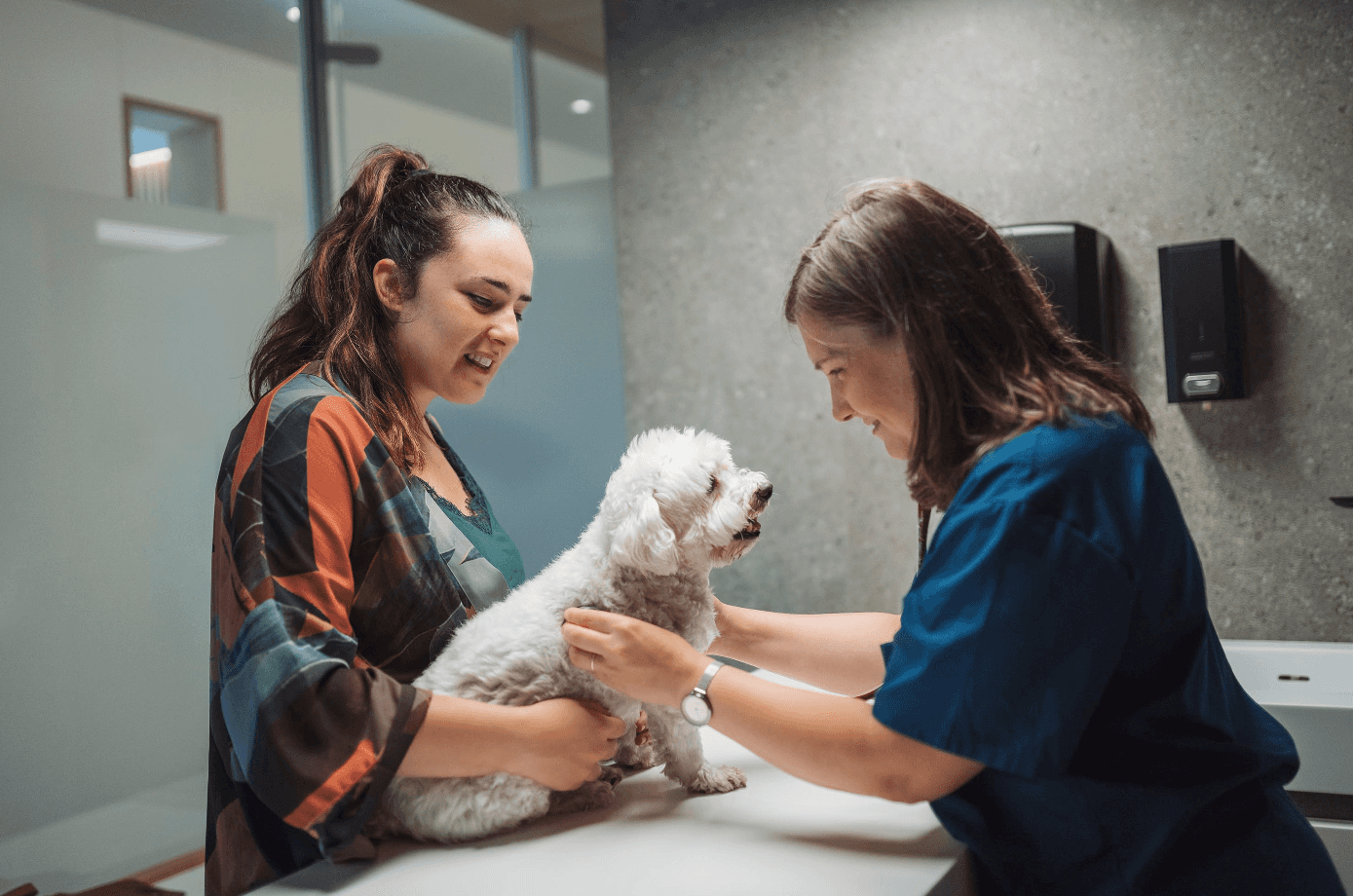
Animal healthcare continues to evolve as technology introduces faster, smarter, and more efficient ways to care for pets. Veterinary professionals now handle growing numbers of patients, increasing administrative responsibilities, and higher expectations from pet owners. Managing these demands requires modern solutions that improve clinical workflows without compromising the quality of care.
A veterinary AI assistant offers a promising solution to these challenges. It uses artificial intelligence to support veterinary teams with appointment scheduling, medical documentation, patient records, communication, and routine administrative tasks. By reducing manual work, AI allows veterinarians to spend more time examining animals and supporting pet owners.
Modern veterinary software also helps clinics organize their daily operations and improve service quality. As artificial intelligence becomes more advanced, it could play an important role in shaping the future of animal healthcare.
What Is a Veterinary AI Assistant and How Does It Work?
A veterinary AI assistant is a digital tool that uses artificial intelligence to help veterinary clinics manage different aspects of their operations. It can understand requests, organize information, automate repetitive activities, and provide useful insights based on available data.
For example, when a pet owner contacts a clinic to book an appointment, an AI assistant can collect basic information, identify suitable appointment slots, and guide the owner through the booking process. It can also help staff prepare patient information before consultations.
Depending on its features, an AI assistant can support:
- Appointment scheduling and reminders.
- Veterinary record management.
- Pet owner communication.
- Automated follow-up messages.
- Medical documentation and summaries.
- Routine administrative tasks.
- Patient information organization.
These capabilities help clinics reduce repetitive work and maintain smoother daily operations.
How Can AI Improve Veterinary Patient Care?
Quality patient care remains the primary responsibility of every veterinary professional. AI can support this responsibility by making important information easier to access and helping veterinary teams manage their workloads.
A veterinary AI assistant can organize patient histories, vaccination records, previous treatments, and appointment details. Veterinarians can review this information more efficiently before examining an animal.
AI-supported tools can also help clinics identify missing information and organize clinical notes. Some advanced systems may highlight patterns in patient records that deserve professional attention.
However, AI should never replace veterinary examination, professional judgment, or medical decision-making. Veterinarians must evaluate every recommendation before using it in a treatment plan.
Why Is Veterinary Software Important for Modern Clinics?
Managing a veterinary clinic involves more than treating animals. Staff members must handle appointments, billing, patient histories, prescriptions, inventory, and communication with pet owners.
Traditional manual processes can consume valuable time and increase the possibility of administrative mistakes. Modern veterinary software brings these activities together through a centralized digital platform.
It can help veterinary practices:
- Maintain organized electronic patient records.
- Manage appointments and clinic schedules.
- Track treatments and vaccination histories.
- Generate invoices and manage payments.
- Monitor inventory and medical supplies.
- Improve communication with pet owners.
- Access important information when needed.
When clinics combine veterinary software with AI capabilities, they can create more connected workflows. This combination improves operational efficiency and allows staff to focus on important patient-related responsibilities.
Can a Veterinary AI Assistant Save Time for Veterinary Professionals?
Time management plays an important role in successful veterinary practice management. Veterinarians often balance consultations, emergency cases, documentation, and communication throughout the day.
An AI assistant can reduce the time spent on repetitive administrative activities. For instance, it can help prepare appointment reminders, organize consultation notes, and answer common non-clinical questions from pet owners.
It can also support front-desk teams by handling routine scheduling requests and collecting basic patient information.
These improvements allow veterinary professionals to use their working hours more effectively. Instead of spending excessive time managing paperwork, they can concentrate on examinations, treatment discussions, and animal welfare.
How Does AI Improve Communication Between Clinics and Pet Owners?
Clear communication builds trust between veterinary clinics and pet owners. Owners want timely updates about appointments, vaccinations, treatment instructions, and follow-up visits.
A veterinary AI assistant can help clinics maintain consistent communication through automated messages and reminders. It can notify owners about upcoming appointments, share general care instructions approved by the clinic, and direct complex medical questions to qualified professionals.
For example, after a routine vaccination, the system can send a reminder about the next scheduled dose. It can also help owners understand clinic procedures and appointment requirements.
At smoll, technology-driven veterinary support reflects the growing importance of convenient communication and organized pet healthcare experiences.
What Benefits Can Veterinary Clinics Expect From AI Automation?
AI automation can deliver several practical benefits when clinics implement it correctly.
- Reduced administrative workload: AI can handle repetitive activities, allowing employees to focus on more valuable responsibilities.
- Better organization: Digital systems keep patient information, appointments, and communication records in one accessible place.
- Improved client experience: Automated reminders and faster responses help pet owners stay informed.
- Efficient scheduling: AI-supported booking systems can help clinics organize appointments and reduce scheduling conflicts.
- Consistent documentation: AI can assist with preparing structured notes and organizing relevant patient information.
- Better operational visibility: Integrated reporting tools can help clinic managers understand appointment trends, workloads, and business performance.
These benefits make AI an attractive addition to modern veterinary operations.
What Challenges Should Clinics Consider Before Adopting AI?
Although AI offers significant opportunities, veterinary clinics should evaluate its limitations before implementing new technology.
Data privacy should remain a major priority. Clinics handle personal information about pet owners and sensitive patient records. They must select secure systems that provide appropriate access controls and data protection.
Accuracy also matters. AI-generated summaries or suggestions may contain errors or miss important clinical details. Veterinary professionals must review all relevant information before relying on it.
Staff training presents another important consideration. Employees need to understand how the system works and when they should involve a veterinarian.
Clinics should also evaluate software compatibility, pricing, technical support, and scalability before making a decision.
Will Veterinary AI Assistants Replace Veterinarians in the Future?
AI will not replace the experience, empathy, and professional judgment of veterinarians. Animals require physical examinations, compassionate handling, diagnostic procedures, and personalized treatment decisions.
Instead, AI will likely become a supportive technology that helps veterinary professionals deliver better services.
A veterinary AI assistant can manage routine administrative responsibilities, organize information, and support communication. Veterinarians can then dedicate more attention to patient care and meaningful conversations with pet owners.
The most successful veterinary clinics will combine technological efficiency with human expertise.
Is a Veterinary AI Assistant the Future of Animal Healthcare?
The future of animal healthcare will depend on how effectively veterinary professionals combine medical expertise with digital innovation. AI assistants and advanced veterinary software offer practical ways to improve clinic operations, organize patient information, and strengthen communication.
As technology continues to develop, these solutions may become essential tools for veterinary practices of different sizes. Clinics that adopt reliable and secure AI-powered systems can improve efficiency while maintaining professional standards.
At smoll, embracing smarter veterinary technology represents an opportunity to support better-connected and more efficient animal healthcare. Ultimately, the future belongs to veterinary practices that use AI responsibly while keeping animal health, compassionate treatment, and professional care at the center of every decision.

- Share

YOU MIGHT ALSO ENJOY

How Can a Commercial Real Estate Advisor in Mohali Help You Find the Right Property?
Stephen Romero - November 4, 2026

How Can Snow Removal Services in Windermere South Keep Your Property Safe?
Stephen Romero - November 4, 2026

Why Should You Hire a Professional Ant Exterminator in Calgary?
Stephen Romero - November 4, 2026
search
FAST ACCESS
- art&gallery (11)
- Automotive (29)
- beauty (17)
- blog (1,066)
- Business (1,604)
- car (1)
- cleening (27)
- clinic (1)
- Commercial Cleaning (1)
- courier services (7)
- Cybersecurity (1)
- dentel care (24)
- Driving school (15)
- electronics (1)
- events (3)
- food (4)
- forests (11)
- gameing (11)
- Health (125)
- Health & Fitness (229)
- Home & Garden (16)
- Home Improvement (3)
- Landscaping (1)
- Law (17)
- Lifestyle (18)
- machinery (5)
- Pest Control (1)
- Real Estate (20)
- Share Market (15)
- Shopping (22)
- Software Development (2)
- Technology (52)
- tool (3)
- toys (2)
- Trade Show Marketing (1)
- Travel (64)
- Wedding & Events (379)

must read
How Can a Commercial Real Estate Advisor in Mohali Help You Find the Right Property?
Stephen Romero - November 4, 2026
How Can Snow Removal Services in Windermere South Keep Your Property Safe?
Stephen Romero - November 4, 2026
Buying or moving a vehicle from another province can involve more than arranging transportation and updating your registration. You may also need to complete
Stephen Romero - November 4, 2026
recent post

ADVERTISEMENT

ARCHIVES
- November 2026 (94)
- October 2026 (170)
- September 2026 (55)
- August 2026 (110)
- July 2026 (202)
- June 2026 (319)
- May 2026 (244)
- April 2026 (197)
- March 2026 (174)
- February 2026 (179)
- January 2026 (210)
- December 2025 (151)
- November 2025 (132)
- October 2025 (105)
- September 2025 (166)
- August 2025 (164)
- July 2025 (150)
- June 2025 (172)
- May 2025 (97)
- April 2025 (1)
- March 2025 (8)
- February 2025 (9)
- January 2025 (8)
- December 2024 (25)
- November 2024 (40)
- October 2024 (11)
- September 2024 (1)
- July 2024 (10)
- June 2024 (11)
- May 2024 (31)
- April 2024 (15)
- March 2024 (19)
- February 2024 (6)
- January 2024 (7)
- December 2023 (11)
- November 2023 (1)
- October 2023 (2)
- July 2023 (13)
- June 2023 (21)
- May 2023 (27)
- April 2023 (23)
- March 2023 (16)
- February 2023 (31)
- January 2023 (27)
- December 2022 (11)
- November 2022 (12)
- October 2022 (11)
- September 2022 (11)
- August 2022 (14)
- July 2022 (13)
- June 2022 (19)
- May 2022 (17)
- April 2022 (10)
- March 2022 (12)
- February 2022 (8)
- January 2022 (9)
- December 2021 (19)
- November 2021 (4)
- October 2021 (6)
- September 2021 (4)
- August 2021 (4)
- July 2021 (10)
- June 2021 (6)
- May 2021 (2)
- April 2021 (2)
- March 2021 (45)
- August 2020 (31)
- July 2020 (30)
- June 2020 (29)