

Botanical Glass Houses and Rooftop Garden: Bringing Nature into Modern Urban Living

In today’s fast-paced urban world, people are increasingly looking for ways to reconnect with nature. As cities expand and green spaces become limited, innovative architectural concepts are transforming the way we experience greenery. Two such concepts gaining popularity are Botanical Glass Houses and the Rooftop Garden. These beautiful green spaces combine modern architecture, sustainable design, and natural beauty to create peaceful environments within busy urban surroundings.
Whether you are an architecture enthusiast, a gardening lover, or someone who appreciates sustainable living, these concepts offer endless inspiration for creating a greener and healthier lifestyle.
What Are Botanical Glass Houses?
Botanical Glass Houses are specially designed structures that use glass architecture to create an ideal environment for growing and displaying plants. They are inspired by traditional greenhouses but often feature contemporary designs, elegant interiors, and innovative environmental systems.
These structures allow natural sunlight to enter while providing a controlled atmosphere for different plant species. From tropical plants and exotic flowers to ornamental trees and rare botanical collections, botanical glass houses offer a beautiful setting where nature becomes part of the architectural experience.
One of their biggest attractions is the seamless connection between indoor and outdoor environments. Large glass panels, transparent ceilings, and open layouts create a feeling of being surrounded by nature while enjoying the comfort of a protected space.
Botanical glass houses can be designed for residential properties, hotels, commercial spaces, resorts, educational institutions, and public gardens. They are not only visually appealing but can also support plant conservation, environmental education, and sustainable landscaping.
The Beauty of a Rooftop Garden
A Rooftop Garden is an excellent way to transform unused roof space into a beautiful green environment. With increasing urbanisation and limited ground-level landscaping opportunities, rooftop gardens are becoming an important feature of modern architecture.
A well-designed rooftop garden can include flowering plants, decorative shrubs, small trees, vegetable beds, walking pathways, seating areas, and even water features. These elements work together to create a relaxing outdoor environment above the busy streets.
One of the most attractive aspects of a rooftop garden is its versatility. It can be designed as a peaceful private retreat, a social gathering space, a luxury terrace, or an eco-friendly recreational area.
Imagine enjoying your morning coffee surrounded by colourful flowers, fresh greenery, and beautiful city views. A thoughtfully designed rooftop garden makes this experience possible while adding character and value to a property.
How Botanical Glass Houses and Rooftop Gardens Work Together
Combining Botanical Glass Houses with a Rooftop Garden creates an extraordinary architectural experience. Both concepts complement each other by bringing greenery into spaces where traditional landscaping may not be possible.
A botanical glass house can serve as the central attraction of a rooftop garden. It can feature tropical plants, orchids, ferns, succulents, and other decorative species that require specific growing conditions. Around the glass structure, an open rooftop garden can provide seating areas, flowering plants, landscaped pathways, and relaxing corners.
This combination creates different experiences within one location. Visitors can enjoy the protected beauty of indoor greenery before stepping outside into an open-air garden.
For hotels, restaurants, luxury residences, and commercial buildings, this combination can create a unique visual identity while offering visitors a peaceful escape from urban life.
Benefits of Botanical Glass Houses and Rooftop Gardens
Both concepts offer several environmental, aesthetic, and lifestyle benefits.
1. Improved Air Quality
Plants naturally absorb carbon dioxide and release oxygen through photosynthesis. Adding greenery to buildings helps create a healthier and more refreshing atmosphere.
2. Better Temperature Regulation
Rooftop vegetation can reduce the amount of heat absorbed by building surfaces. This may help lower indoor temperatures and reduce dependence on air conditioning during warmer months.
3. Enhanced Aesthetic Appeal
Glass structures combined with beautiful landscaping create an elegant architectural statement. They make ordinary spaces more attractive and memorable.
4. Mental Wellness and Relaxation
Spending time around plants and natural surroundings can help reduce everyday stress. Green spaces provide a peaceful environment for relaxation, meditation, and social interaction.
5. Sustainable Urban Development
Green rooftops can support biodiversity, attract pollinators, and make better use of underutilised urban spaces. Botanical glass houses can also promote awareness about plant conservation and sustainable gardening.
Design Ideas for Creating a Stunning Green Space
Creating a beautiful botanical environment requires thoughtful planning. The design should balance aesthetics, functionality, plant requirements, and environmental conditions.
For botanical glass houses, consider using floor-to-ceiling glass panels, energy-efficient glazing, proper ventilation, and temperature-control systems. Natural stone pathways, wooden seating, and decorative lighting can further enhance the atmosphere.
For rooftop gardens, choose lightweight planters, weather-resistant furniture, and plants suitable for the local climate. Vertical gardens, pergolas, raised planting beds, and small water features can make the space more attractive.
Lighting also plays an important role. Warm LED lights can highlight plants, pathways, and architectural features, creating a magical atmosphere after sunset.
Proper waterproofing, drainage, structural load assessment, and irrigation systems should always be considered before beginning construction.
Choosing the Right Plants
Plant selection is essential for maintaining a healthy and visually appealing green environment.
For botanical glass houses, tropical plants such as monstera, peace lilies, ferns, orchids, and palms can create a lush atmosphere, provided their temperature, humidity, and light requirements are met.
For rooftop gardens, hardy plants such as bougainvillea, lavender, succulents, ornamental grasses, and suitable native flowering species can be excellent choices.
In warmer climates, selecting heat-tolerant and drought-resistant plants can significantly reduce maintenance and water consumption.
The Future of Green Architecture
As sustainable architecture continues to evolve, Botanical Glass Houses and Rooftop Garden designs are expected to become increasingly relevant. Modern buildings are no longer judged only by their appearance or functionality. Their environmental impact, energy efficiency, and contribution to human well-being are equally important.
Architects and landscape designers are exploring innovative ways to integrate greenery into residential, commercial, and hospitality projects. Smart irrigation, rainwater harvesting, solar-powered lighting, and climate-responsive glass technologies are making these spaces more efficient and sustainable.
These green architectural features represent a shift towards buildings that coexist with nature rather than simply occupying space.
Conclusion
Botanical Glass Houses and a beautifully designed Rooftop Garden offer more than just attractive green spaces. They represent a lifestyle that values sustainability, creativity, relaxation, and a stronger connection with nature.
By combining transparent architecture with thoughtfully planned landscaping, it is possible to transform ordinary buildings into refreshing green destinations. Whether incorporated into a luxury residence, commercial property, hotel, or urban development, these concepts can create memorable spaces that benefit both people and the environment.

- Share

YOU MIGHT ALSO ENJOY

Make Every Celebration Memorable with Photo Booth Rental Boca Raton & Photo Booth Rental Austin
Stephen Romero - November 13, 2026
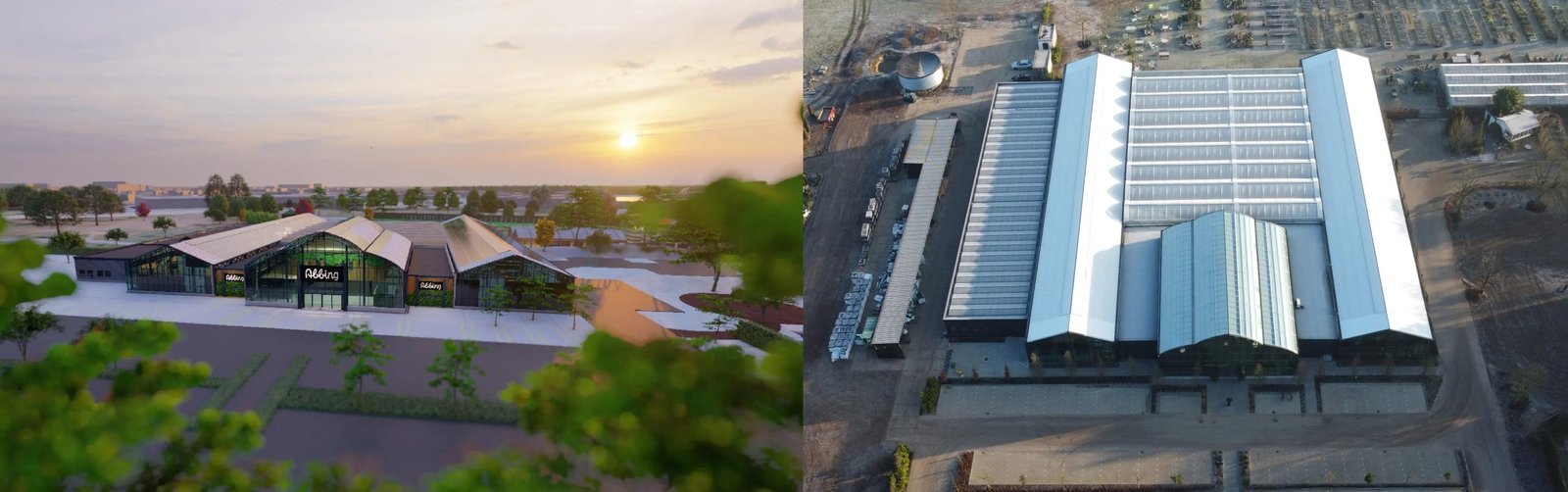
How 3D Store Routing Is Transforming the Shopping Experience in Garden Centres
Stephen Romero - November 13, 2026

Best Physiotherapist in Bilaspur for Expert Physiotherapy and Fracture Treatment
Stephen Romero - November 13, 2026
search
FAST ACCESS
- art&gallery (11)
- Automotive (29)
- beauty (18)
- blog (1,089)
- Business (1,649)
- car (1)
- cleening (27)
- clinic (1)
- Commercial Cleaning (1)
- courier services (7)
- Cybersecurity (1)
- dentel care (24)
- Driving school (15)
- electronics (1)
- events (3)
- food (4)
- forests (11)
- gameing (11)
- Health (128)
- Health & Fitness (229)
- Home & Garden (16)
- Home Improvement (3)
- Landscaping (1)
- Law (17)
- Lifestyle (18)
- machinery (5)
- Pest Control (1)
- Real Estate (20)
- Share Market (15)
- Shopping (22)
- Software Development (2)
- Technology (52)
- tool (3)
- toys (2)
- Trade Show Marketing (1)
- Travel (64)
- Wedding & Events (383)

must read
Guide d’achat de remorques au Québec : Trouvez le modèle adapté à vos besoins
Stephen Romero - November 13, 2026
Botanical Glass Houses and Rooftop Garden: Bringing Nature into Modern Urban Living
Stephen Romero - November 13, 2026
Guía de compra responsable de medicamentos y tratamientos en España
Stephen Romero - November 13, 2026
Tadalafil et Cialis générique : tout savoir sur les traitements de la dysfonction érectile
Stephen Romero - November 13, 2026
Learn Safe Driving Skills with Professional Driving Lessons in London, Ontario
Stephen Romero - November 13, 2026
recent post



ADVERTISEMENT

ARCHIVES
- November 2026 (170)
- October 2026 (170)
- September 2026 (55)
- August 2026 (110)
- July 2026 (202)
- June 2026 (319)
- May 2026 (244)
- April 2026 (197)
- March 2026 (174)
- February 2026 (179)
- January 2026 (210)
- December 2025 (151)
- November 2025 (132)
- October 2025 (105)
- September 2025 (166)
- August 2025 (164)
- July 2025 (150)
- June 2025 (172)
- May 2025 (97)
- April 2025 (1)
- March 2025 (8)
- February 2025 (9)
- January 2025 (8)
- December 2024 (25)
- November 2024 (40)
- October 2024 (11)
- September 2024 (1)
- July 2024 (10)
- June 2024 (11)
- May 2024 (31)
- April 2024 (15)
- March 2024 (19)
- February 2024 (6)
- January 2024 (7)
- December 2023 (11)
- November 2023 (1)
- October 2023 (2)
- July 2023 (13)
- June 2023 (21)
- May 2023 (27)
- April 2023 (23)
- March 2023 (16)
- February 2023 (31)
- January 2023 (27)
- December 2022 (11)
- November 2022 (12)
- October 2022 (11)
- September 2022 (11)
- August 2022 (14)
- July 2022 (13)
- June 2022 (19)
- May 2022 (17)
- April 2022 (10)
- March 2022 (12)
- February 2022 (8)
- January 2022 (9)
- December 2021 (19)
- November 2021 (4)
- October 2021 (6)
- September 2021 (4)
- August 2021 (4)
- July 2021 (10)
- June 2021 (6)
- May 2021 (2)
- April 2021 (2)
- March 2021 (45)
- August 2020 (31)
- July 2020 (30)
- June 2020 (29)