
Understanding FDA 510k Clearance and the Importance of a Strong 510k Submission

In the highly regulated world of medical devices, bringing a product to market requires more than innovation and engineering excellence. It demands strict compliance with regulatory standards to ensure safety and effectiveness. One of the most critical regulatory milestones for manufacturers aiming to sell medical devices in the United States is FDA 510k Clearance. Closely tied to this approval pathway is the 510k submission, a detailed regulatory dossier that demonstrates a device’s substantial equivalence to an already legally marketed device. Understanding both concepts is essential for medical device companies, startups, and regulatory professionals.
What Is FDA 510k Clearance?
FDA 510k Clearance refers to the authorization granted by the U.S. Food and Drug Administration (FDA) that allows a medical device to be legally marketed in the U.S. Unlike FDA Premarket Approval (PMA), which is required for high-risk devices, the 510k pathway applies primarily to Class II and some Class I devices.
To obtain FDA 510k Clearance, a manufacturer must prove that their device is “substantially equivalent” to a predicate device—one that is already legally marketed and does not require PMA. Substantial equivalence means that the new device has the same intended use and similar technological characteristics, or that any differences do not raise new questions of safety or effectiveness.
This pathway is popular because it is generally faster, less expensive, and less complex than PMA, making it especially attractive to startups and small-to-medium medical device companies.
The Role of a 510k Submission
A 510k submission is the formal application submitted to the FDA to obtain FDA 510k Clearance. This submission is far more than a simple form—it is a comprehensive technical and regulatory document that provides evidence supporting the safety and effectiveness of the device.
A typical 510k submission includes device descriptions, intended use statements, comparison with the predicate device, performance testing data, biocompatibility information, labeling, and sometimes clinical data. The quality and completeness of the 510k submission play a major role in determining how quickly the FDA can review and clear the device.
Key Components of a Successful 510k Submission
To improve the likelihood of FDA 510k Clearance, manufacturers must focus on preparing a well-structured and compliant 510k submission. Some of the most important components include:
1. Device Description and Intended Use
The submission must clearly describe how the device works, its design, materials, and intended use. Consistency between intended use and the predicate device is critical for demonstrating substantial equivalence.
2. Predicate Device Comparison
A detailed comparison table highlighting similarities and differences between the new device and the predicate device is central to the 510k submission. Any differences must be justified with supporting data.
3. Performance Testing
Bench testing, software validation, electrical safety testing, and sometimes animal or clinical studies may be required. Strong performance data significantly strengthen a 510k submission.
4. Labeling and Instructions for Use
Proper labeling ensures that the device can be used safely and effectively. The FDA closely reviews labeling to ensure it aligns with the intended use stated in the submission.
Common Challenges in FDA 510k Clearance
Although the 510k pathway is considered more straightforward than PMA, many manufacturers face delays or rejections due to avoidable mistakes. Common challenges include selecting an inappropriate predicate device, submitting incomplete testing data, or failing to address FDA guidance documents.
Another frequent issue is receiving an FDA “Additional Information” (AI) request. This occurs when the FDA determines that the original 510k submission lacks sufficient information. While AI requests are common, they can significantly extend review timelines if the submission was not well-prepared initially.
Why FDA 510k Clearance Matters
Achieving FDA 510k Clearance is a major business milestone. It allows manufacturers to legally market their device in the U.S., gain credibility with healthcare providers, and attract investors or strategic partners. Many international markets also recognize FDA clearance as a benchmark, making it easier to expand globally.
From a patient safety perspective, the 510k process ensures that devices entering the market meet essential safety and performance standards. This balance between innovation and regulation helps maintain trust in medical technology.
Best Practices for a Strong 510k Submission
To maximize the chances of success, companies should begin planning their 510k submission early in the product development lifecycle. Engaging regulatory experts, following FDA guidance documents, and conducting thorough testing can reduce review times and minimize costly delays.
Clear documentation, logical organization, and proactive risk assessment are key. A well-prepared 510k submission not only accelerates FDA 510k Clearance but also sets a strong foundation for post-market compliance and future product iterations.
Conclusion
In summary, FDA 510k Clearance and the 510k submission process are central to bringing many medical devices to the U.S. market. While the pathway is more efficient than other regulatory routes, it still demands precision, planning, and regulatory expertise. By understanding the requirements and investing in a high-quality 510k submission, manufacturers can navigate the FDA process with confidence, reduce time to market, and ultimately deliver safe and effective medical devices to patients.

- Share

YOU MIGHT ALSO ENJOY
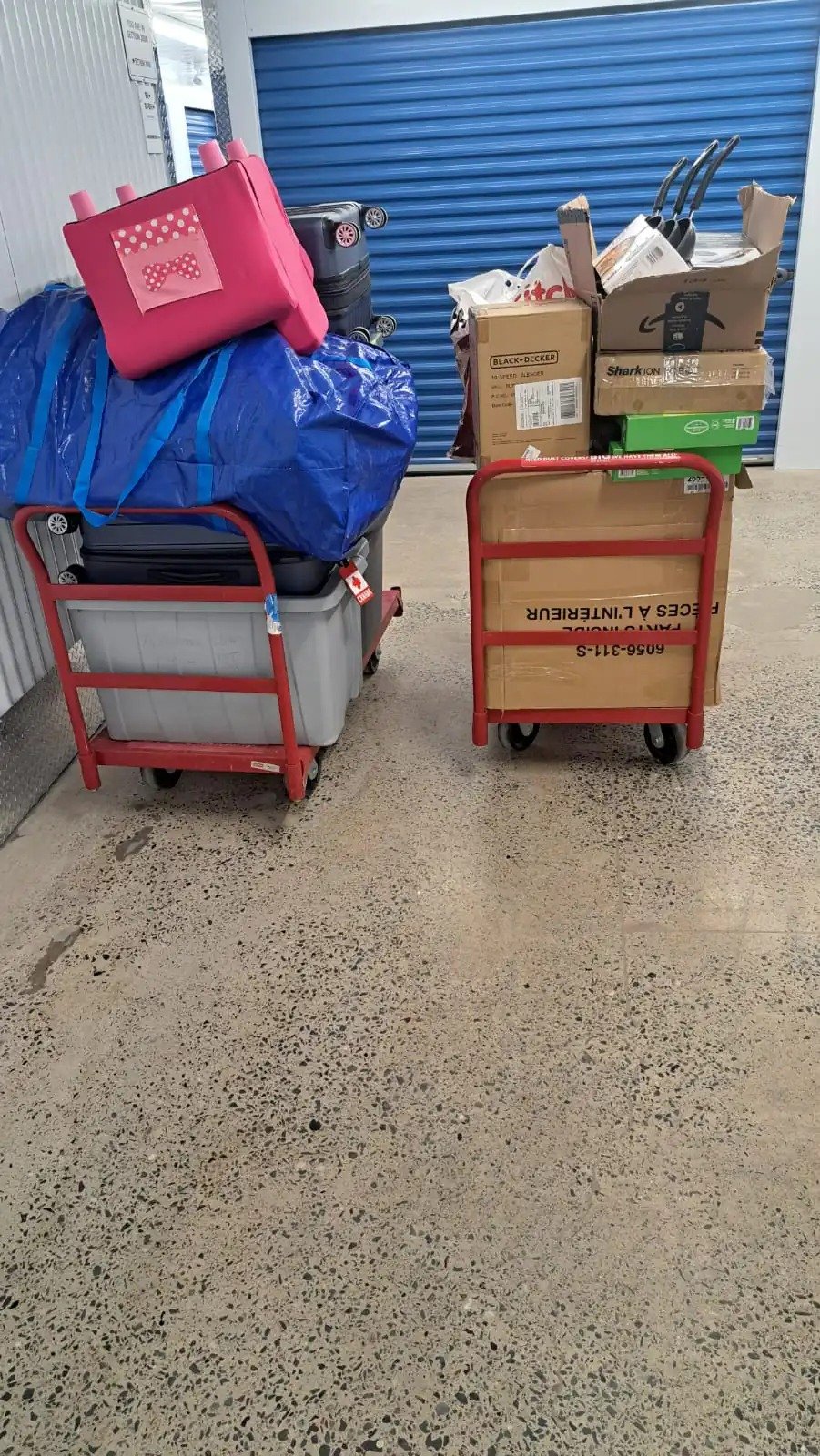
Why Hiring a Professional Moving Company Ottawa Residents Trust Makes Relocation Easier
Stephen Romero - May 14, 2026
Video Converter to MP4: Why MP4 Is the Best Video Format for Modern Devices
Stephen Romero - May 13, 2026

Discover the Premium Experience of Alibarbar Vape Australia
Stephen Romero - May 13, 2026
search
FAST ACCESS
- art&gallery (5)
- Automotive (26)
- beauty (9)
- blog (760)
- Business (1,049)
- cleening (13)
- clinic (1)
- courier services (5)
- dentel care (6)
- Driving school (10)
- electronics (1)
- events (1)
- food (2)
- forests (11)
- gameing (6)
- Health (41)
- Health & Fitness (218)
- Home & Garden (16)
- Landscaping (1)
- Law (17)
- Lifestyle (15)
- machinery (5)
- Real Estate (12)
- Share Market (15)
- Shopping (15)
- Technology (35)
- tool (2)
- toys (2)
- Travel (53)
- Wedding & Events (351)

must read
Why Hiring a Professional Moving Company Ottawa Residents Trust Makes Relocation Easier
Stephen Romero - May 14, 2026
Explore Spiritual Beauty with Jagannath Puri Tour Package and Odisha Family Tour Packages
Stephen Romero - May 14, 2026
The Growing Importance of Professional Website Development for Businesses
Stephen Romero - May 14, 2026
The Ultimate Guide to Mens Basketball Shorts and Running Shorts Women Love
Stephen Romero - May 14, 2026
Video Converter to MP4: Why MP4 Is the Best Video Format for Modern Devices
Stephen Romero - May 13, 2026
recent post


ADVERTISEMENT

ARCHIVES
- May 2026 (89)
- April 2026 (197)
- March 2026 (174)
- February 2026 (179)
- January 2026 (210)
- December 2025 (151)
- November 2025 (132)
- October 2025 (105)
- September 2025 (166)
- August 2025 (164)
- July 2025 (150)
- June 2025 (173)
- May 2025 (99)
- April 2025 (1)
- March 2025 (8)
- February 2025 (9)
- January 2025 (8)
- December 2024 (25)
- November 2024 (40)
- October 2024 (11)
- September 2024 (1)
- July 2024 (10)
- June 2024 (11)
- May 2024 (31)
- April 2024 (15)
- March 2024 (19)
- February 2024 (6)
- January 2024 (7)
- December 2023 (11)
- November 2023 (1)
- July 2023 (13)
- June 2023 (21)
- May 2023 (27)
- April 2023 (23)
- March 2023 (16)
- February 2023 (31)
- January 2023 (27)
- December 2022 (11)
- November 2022 (12)
- October 2022 (11)
- September 2022 (11)
- August 2022 (14)
- July 2022 (13)
- June 2022 (19)
- May 2022 (17)
- April 2022 (10)
- March 2022 (12)
- February 2022 (8)
- January 2022 (9)
- December 2021 (19)
- November 2021 (4)
- October 2021 (6)
- September 2021 (4)
- August 2021 (4)
- July 2021 (10)
- June 2021 (6)
- May 2021 (2)
- April 2021 (2)
- March 2021 (45)
- August 2020 (31)
- July 2020 (30)
- June 2020 (29)