When it comes to maintaining a comfortable indoor environment, a reliable HVAC system is essential. Over time, even the best systems wear out, lose efficiency, and require replacement. Whether you’re a homeowner or managing a commercial property, understanding HVAC replacement costs, system options, and modern technologies can help you make a smart investment.
The cost of replacing an HVAC system depends on several factors, including the size of the space, the type of system, and the efficiency rating. For most residential properties, the cost typically falls between $5,000 and $15,000. Larger homes or high-efficiency systems can exceed $20,000. In commercial settings, HVAC replacement is significantly more expensive due to the complexity and scale of the systems, with costs ranging from $10,000 to well over $100,000.
A major factor influencing cost is the efficiency rating, especially with the introduction of SEER2 standards. SEER2 provides a more accurate measurement of real-world energy performance. Systems with higher SEER2 ratings consume less energy, which translates to lower utility bills. Although these systems have a higher upfront cost, they often pay for themselves over time through energy savings.
Commercial HVAC system replacement requires a strategic approach. Businesses rely on climate control not only for comfort but also for operational efficiency. Replacing a commercial system involves evaluating building size, occupancy levels, zoning requirements, and system type. Options such as rooftop units, variable refrigerant flow systems, and advanced heat pumps are commonly used in commercial applications.
Minimizing downtime during installation is crucial for businesses. Many companies choose to install systems in phases or schedule work during non-business hours. Upgrading to modern systems provides benefits such as improved air quality, energy efficiency, and smart system controls that allow for better monitoring and automation.
Financing options make HVAC replacement more accessible. Many HVAC companies offer financing plans with low or zero interest for a limited time. Personal loans and home improvement loans provide fixed payment options, while home equity loans offer lower interest rates for those with sufficient equity. Additionally, energy-efficient systems may qualify for government rebates or tax incentives, helping reduce the overall cost.
Another important component of HVAC replacement is ductwork. Air ducts distribute heated and cooled air throughout the building, and damaged or outdated ducts can significantly reduce system efficiency. Signs that duct replacement may be needed include uneven temperatures, rising energy bills, and excessive dust. Replacing ductwork typically costs between $2,000 and $6,000 for residential properties, depending on the size and complexity of the system.
Mini split systems have become a popular alternative to traditional HVAC systems, especially in spaces where ductwork is not practical. DIY systems like Mr Cool mini splits allow homeowners to install their own units with minimal tools. These systems are pre-charged and designed for ease of installation, reducing labor costs.
MrCool mini split systems offer several advantages, including high energy efficiency, quiet operation, and smart control features. They allow for zoned heating and cooling, meaning different areas of a home can be set to different temperatures. This not only improves comfort but also reduces energy consumption.
A complete HVAC system replacement typically includes all major components such as the air conditioner or heat pump, furnace or air handler, thermostat, and sometimes ductwork. Replacing the entire system ensures that all components are compatible and working efficiently together. Partial replacements can lead to performance issues and increased maintenance costs.
Air filters play a critical role in maintaining indoor air quality and system efficiency. MERV 8 filters are commonly used in residential systems because they provide effective filtration without restricting airflow. They capture dust, pollen, and other airborne particles, helping maintain a clean indoor environment.
The 20x20x1 furnace filter is a standard size used in many HVAC systems. Choosing the correct size and replacing filters regularly is essential for maintaining system performance. Dirty filters can restrict airflow, increase energy consumption, and reduce the lifespan of the system. Most filters should be replaced every one to three months, depending on usage and environmental conditions.
Heat pumps are becoming increasingly popular due to their energy efficiency and versatility. They can provide both heating and cooling, making them a cost-effective solution for many homes. Heat pump systems are available in different sizes, measured in tons, which indicates their cooling capacity.
A 3 ton heat pump system is suitable for smaller homes or spaces around 1,500 to 2,000 square feet. A 4 Ton Heat Pump System is ideal for medium-sized homes, offering a balance between capacity and efficiency. For larger homes or commercial spaces, a 5 ton heat pump system provides the necessary power to maintain consistent indoor temperatures.
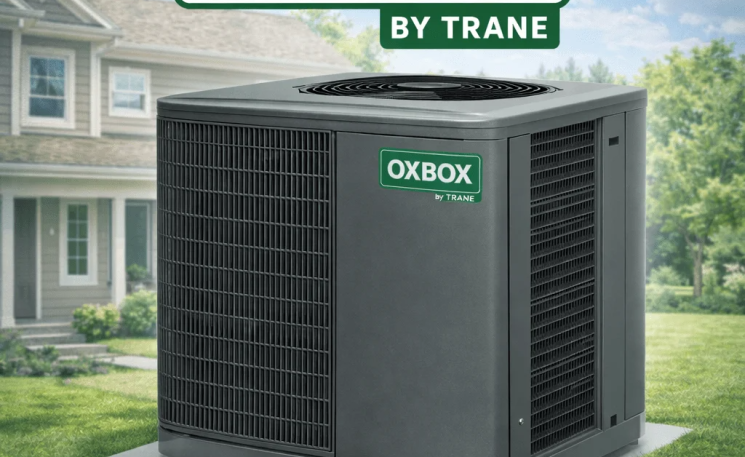
The 5 ton split system heat pump is a common choice for larger properties. It consists of an outdoor unit and an indoor air handler, working together to efficiently regulate temperature. Split systems are known for their reliability and flexibility, making them a popular option in both residential and commercial settings.
As the HVAC industry evolves, there is a growing focus on environmentally friendly technologies. One of the latest advancements is the introduction of R454B refrigerant. This new refrigerant has a lower global warming potential compared to older options like R410A, making it a more sustainable choice.
R454B heat pump systems are designed to meet future environmental standards while maintaining high efficiency. Although they may come with a higher initial cost, they offer long-term benefits in terms of reduced environmental impact and compliance with regulations.
In summary, replacing an HVAC system is a major investment that requires careful planning and consideration. From understanding replacement costs and financing options to choosing the right system size and efficiency rating, every decision impacts overall performance and long-term savings.
Modern solutions such as mini split systems, high-efficiency heat pumps, and eco-friendly refrigerants provide more options than ever before. By investing in the right HVAC system and maintaining it properly, you can ensure improved comfort, lower energy bills, and a reduced environmental footprint for years to come.