

Crafting Spaces with Soul: A Journey Through Timeless Design Movements and Philosophies
In an age where trends change rapidly and mass production dominates the market, there is a growing desire for authenticity, meaning, and craftsmanship in design. Today’s homeowners and designers are increasingly turning toward styles and philosophies rooted in culture, history, and human experience. From the expressive charm of Folk art to the refined geometry of Art Deco, and from the humility of Wabi Sabi to the innovation of Mid-Century Design, the world of interiors is a rich blend of tradition and modernity.
This blog explores how these diverse influences shape contemporary living spaces, while highlighting the enduring importance of craftsmanship, sustainability, and thoughtful design.
Rediscovering Cultural Identity Through Traditional Design
One of the most compelling aspects of design is its ability to tell stories. Folk art stands as a testament to this, representing the traditions, beliefs, and daily lives of communities across generations. Unlike factory-made décor, Folk art is deeply personal, often handcrafted with techniques passed down through families. It reflects a sense of belonging and cultural pride that resonates strongly in modern interiors.
Parallel to this is the concept of Vernacular design. Rooted in local environments, Vernacular architecture and furniture rely on readily available materials and traditional construction methods. Whether it’s stone houses in mountainous regions or clay structures in arid landscapes, this approach prioritizes practicality and sustainability. Today, designers are revisiting Vernacular principles to create eco-conscious and context-sensitive spaces.
The Beauty of Simplicity in Rural and Alpine Living
The appeal of Rural design lies in its simplicity and connection to nature. In a world filled with digital noise and urban chaos, Rural aesthetics offer a sense of calm and grounding. Natural materials, muted color palettes, and handcrafted elements create environments that feel warm and inviting.
Similarly, Alpine Design draws inspiration from life in mountainous regions. Known for its use of wood, stone, and layered textiles, Alpine Design combines functionality with comfort. Large wooden beams, cozy interiors, and a focus on durability make it both practical and aesthetically pleasing. This style has found new relevance in modern homes seeking a balance between luxury and coziness.
Rustic Furniture: A Celebration of Material Honesty
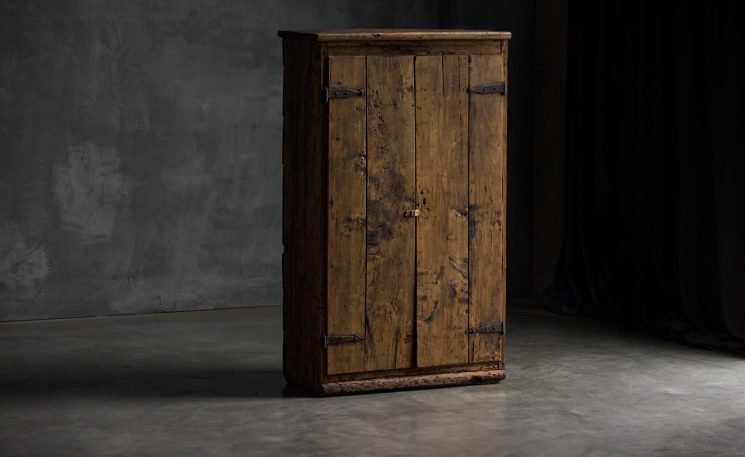
Few design elements evoke warmth and authenticity like Rustic Furniture. Defined by its raw textures, visible grains, and handcrafted details, Rustic Furniture celebrates the natural beauty of wood and other materials. Each piece carries its own character, often showcasing knots, imperfections, and variations that make it unique.
This approach aligns with a growing preference for sustainable and long-lasting products. Instead of disposable furniture, consumers are investing in pieces that age gracefully and tell a story over time. Brands like Goldwood by Boris exemplify this philosophy by blending traditional craftsmanship with modern functionality, creating furniture that is both timeless and relevant.
Wabi Sabi: Finding Beauty in Imperfection
At the philosophical core of many modern design trends lies Wabi Sabi, a Japanese concept that embraces imperfection, transience, and simplicity. Unlike Western ideals of perfection and symmetry, Wabi Sabi values irregularity and authenticity. A chipped ceramic bowl or a weathered wooden table becomes beautiful because of its history and character.
Incorporating Wabi Sabi into interiors means choosing materials and objects that feel natural and unrefined. It encourages mindfulness and a deeper appreciation for the present moment. As sustainability becomes a priority, this philosophy offers a meaningful alternative to fast design and consumerism.
Artistic Expression in European Design Movements
Europe has long been a hub of artistic innovation, giving rise to influential movements like the Amsterdamse School. Known for its expressive architecture and sculptural forms, the Amsterdamse School blurred the boundaries between art and function. Its bold use of brickwork, intricate detailing, and organic shapes continues to inspire contemporary designers.
In contrast, Art Deco represents elegance, luxury, and modernity. Emerging in the early 20th century, Art Deco is characterized by geometric patterns, rich materials, and a sense of glamour. It reflects a period of optimism and progress, and its influence remains strong in high-end interiors and decorative arts.
Functional Art: Where Utility Meets Aesthetics
The concept of Functional Art challenges the traditional separation between beauty and utility. It suggests that everyday objects can be both practical and visually compelling. This idea gained prominence during the industrial era, as designers sought to create products that were efficient yet aesthetically pleasing.
One of the pioneers of this movement was Jean Prouvé, whose work combined engineering precision with artistic sensibility. His designs demonstrated that functionality could enhance, rather than limit, creativity. Today, Functional Art continues to shape modern design, encouraging a holistic approach to creating objects and spaces.
The Influence of Mid-Century and Global Design
The rise of Mid-Century Design marked a significant shift toward simplicity, innovation, and accessibility. Characterized by clean lines, organic forms, and minimal ornamentation, Mid-Century Design emphasized functionality without sacrificing style. It introduced new materials and production techniques, making good design more widely available.
Designers like Charlotte Perriand played a key role in shaping this movement, focusing on human-centered design and adaptability. Her work seamlessly blended form and function, creating spaces that were both practical and aesthetically pleasing.
Meanwhile, Brazilian Design brought a unique perspective by combining modernist principles with local traditions. Rich woods, bold shapes, and a strong connection to nature define Brazilian Design, making it both vibrant and sophisticated. This fusion of global influences and regional identity continues to inspire designers around the world.
Masters of Craft and Innovation
The legacy of great designers continues to influence contemporary interiors. Pierre Chapo is celebrated for his mastery of wood and commitment to traditional craftsmanship. His designs emphasize strength, simplicity, and timeless appeal, making them highly sought after even today.
Similarly, Jean Prouvé revolutionized design by integrating industrial techniques with artistic vision. His work remains a benchmark for innovation and efficiency.
Charlotte Perriand brought warmth and humanity to modernist design, focusing on creating spaces that enhance everyday living. Her contributions continue to resonate in contemporary interiors.
Another influential figure is Dom Hans van der Laan, whose architectural theories explored the relationship between proportion and human perception. His work offers a deeper understanding of how space and form influence our experience of the built environment.
Blending Tradition with Modern Living
Today’s design landscape is defined by its diversity and adaptability. Elements of Folk art, Vernacular design, and Rustic Furniture coexist with modern styles like Mid-Century Design and Art Deco. This fusion allows for greater creativity and personalization, enabling individuals to create spaces that reflect their unique tastes and values.
Brands like Goldwood by Boris are at the forefront of this movement, combining traditional craftsmanship with contemporary design principles. By doing so, they create pieces that are not only functional but also rich in character and meaning.
Looking Ahead: The Future of Design
As we look to the future, the importance of sustainability, authenticity, and cultural preservation will continue to grow. Designers are increasingly drawing inspiration from Rural traditions, Alpine Design, and philosophies like Wabi Sabi to create spaces that are both beautiful and responsible.
At the same time, advancements in technology are opening new possibilities for innovation. The challenge lies in maintaining a balance between progress and tradition—ensuring that design remains rooted in human experience while embracing new ideas.
Conclusion
Design is an ever-evolving journey that reflects our values, aspirations, and connection to the world around us. From the storytelling nature of Folk art to the elegance of Art Deco, and from the simplicity of Wabi Sabi to the innovation of Functional Art, each style offers valuable insights into the art of living.

- Share

YOU MIGHT ALSO ENJOY

Choosing the Right Medical Glove Partner: Surgical Gloves Manufacturers in India
Stephen Romero - August 17, 2026

Medical Manufacturing Solutions for Absorbable Gelatin Sponge, Nasal Tampon and Anal Tampon
Stephen Romero - August 17, 2026

Reliable Airport and Local Transportation Across Connecticut
Stephen Romero - August 6, 2026
search
FAST ACCESS
- art&gallery (11)
- Automotive (27)
- beauty (12)
- blog (990)
- Business (1,429)
- car (1)
- cleening (27)
- clinic (1)
- Commercial Cleaning (1)
- courier services (7)
- Cybersecurity (1)
- dentel care (16)
- Driving school (13)
- electronics (1)
- events (2)
- food (3)
- forests (11)
- gameing (11)
- Health (88)
- Health & Fitness (219)
- Home & Garden (16)
- Home Improvement (1)
- Landscaping (1)
- Law (17)
- Lifestyle (18)
- machinery (5)
- Pest Control (1)
- Real Estate (20)
- Share Market (15)
- Shopping (22)
- Software Development (2)
- Technology (47)
- tool (2)
- toys (2)
- Trade Show Marketing (1)
- Travel (60)
- Wedding & Events (378)

must read
How Can the Best Orthopaedic Hospital in Bilaspur Support Faster Recovery?
Stephen Romero - August 22, 2026
recent post





ADVERTISEMENT

ARCHIVES
- August 2026 (100)
- July 2026 (202)
- June 2026 (319)
- May 2026 (244)
- April 2026 (197)
- March 2026 (174)
- February 2026 (179)
- January 2026 (210)
- December 2025 (151)
- November 2025 (132)
- October 2025 (105)
- September 2025 (166)
- August 2025 (164)
- July 2025 (150)
- June 2025 (172)
- May 2025 (97)
- April 2025 (1)
- March 2025 (8)
- February 2025 (9)
- January 2025 (8)
- December 2024 (25)
- November 2024 (40)
- October 2024 (11)
- September 2024 (1)
- July 2024 (10)
- June 2024 (11)
- May 2024 (31)
- April 2024 (15)
- March 2024 (19)
- February 2024 (6)
- January 2024 (7)
- December 2023 (11)
- November 2023 (1)
- October 2023 (2)
- July 2023 (13)
- June 2023 (21)
- May 2023 (27)
- April 2023 (23)
- March 2023 (16)
- February 2023 (31)
- January 2023 (27)
- December 2022 (11)
- November 2022 (12)
- October 2022 (11)
- September 2022 (11)
- August 2022 (14)
- July 2022 (13)
- June 2022 (19)
- May 2022 (17)
- April 2022 (10)
- March 2022 (12)
- February 2022 (8)
- January 2022 (9)
- December 2021 (19)
- November 2021 (4)
- October 2021 (6)
- September 2021 (4)
- August 2021 (4)
- July 2021 (10)
- June 2021 (6)
- May 2021 (2)
- April 2021 (2)
- March 2021 (45)
- August 2020 (31)
- July 2020 (30)
- June 2020 (29)