

Wood Adhesive Guide: Choosing the Best Wood Glue for Strong, Lasting Bonds
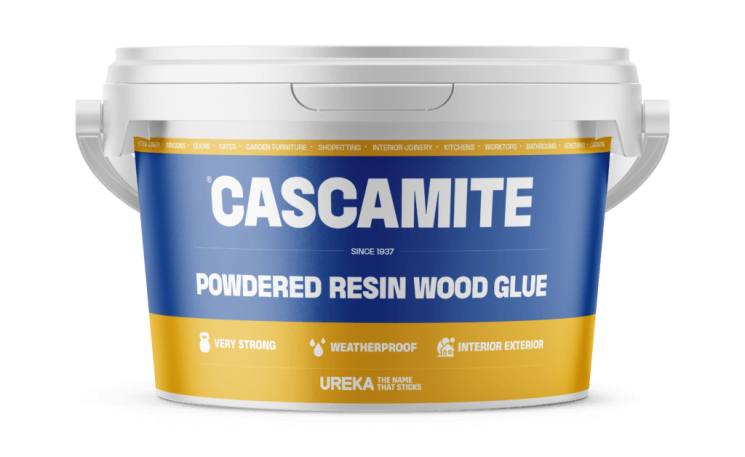
When it comes to woodworking, carpentry, or DIY home projects, selecting the right wood adhesive can make all the difference. Whether you’re repairing furniture, building cabinets, or crafting décor items, using the best wood glue ensures durability, strength, and a professional finish. In this guide, we’ll explore different types of wood adhesives, their uses, and how to choose the right one for your project.
What is Wood Adhesive?
A wood adhesive is a specially formulated glue designed to bond wooden surfaces together. Unlike general-purpose glues, wood adhesives penetrate the fibers of the wood, creating a bond that is often stronger than the wood itself. This makes them essential for both professional carpenters and hobbyists.
Types of Wood Adhesives
Understanding the different types of wood adhesives will help you select the best wood glue for your specific needs.
- PVA (Polyvinyl Acetate) Glue
PVA glue is one of the most common wood adhesives used today. It is water-based, easy to apply, and dries clear.
Best for:
- Indoor furniture
- Craft projects
- General woodworking
Advantages:
- Non-toxic
- Easy cleanup with water
- Affordable
- Polyurethane Glue
Polyurethane glue is known for its strong bonding capabilities and water resistance.
Best for:
- Outdoor furniture
- Moist environments
- Heavy-duty projects
Advantages:
- Waterproof
- Expands to fill gaps
- Extremely durable
- Epoxy Adhesive
Epoxy is a two-part adhesive consisting of resin and hardener. It creates a very strong and permanent bond.
Best for:
- Structural repairs
- Filling cracks or gaps
- High-strength applications
Advantages:
- Resistant to heat and chemicals
- Excellent gap-filling properties
- Hide Glue
Hide glue is a traditional wood adhesive made from animal collagen. It’s still used in antique restoration.
Best for:
- Furniture repair
- Musical instruments
- Restoration work
Advantages:
- Reversible with heat
- Provides a classic finish
- Cyanoacrylate (CA) Glue
Also known as super glue, this adhesive works quickly and is great for small repairs.
Best for:
- Quick fixes
- Small woodworking tasks
Advantages:
- Fast drying
- Easy to use
How to Choose the Best Wood Glue
Choosing the best wood glue depends on several factors:
- Project Type
For indoor projects, PVA glue works well. For outdoor or high-moisture environments, polyurethane glue is a better option.
- Strength Requirements
If your project requires a strong, structural bond, epoxy or polyurethane glue is ideal.
- Drying Time
Some projects require quick bonding, while others allow longer drying times. CA glue dries instantly, while PVA glue may take several hours.
- Water Resistance
If your project will be exposed to water or humidity, choose a waterproof wood adhesive.
- Ease of Use
For beginners, PVA glue is usually the easiest and most forgiving option.
Tips for Using Wood Adhesive Effectively
To get the most out of your wood adhesive, follow these practical tips:
- Clean the Surface: Ensure the wood is free from dust, oil, or moisture.
- Apply Evenly: Spread the glue evenly for a strong bond.
- Clamp Properly: Use clamps to hold pieces together while the glue dries.
- Avoid Excess Glue: Wipe off any excess before it dries.
- Allow Proper Drying Time: Follow the manufacturer’s instructions for best results.
Common Mistakes to Avoid
Even when using the best wood glue, mistakes can weaken the bond:
- Using too much or too little adhesive
- Not clamping the wood properly
- Ignoring drying time
- Choosing the wrong type of glue for the job
Avoiding these errors ensures a cleaner, stronger finish.
Why Quality Wood Adhesive Matters
A high-quality wood adhesive not only improves the strength of your project but also enhances its longevity. Cheap or incorrect glue can lead to weak joints, cracks, or complete failure over time. Investing in the best wood glue ensures your work remains sturdy and reliable for years.
Conclusion
Selecting the right wood adhesive is essential for achieving professional-quality results in woodworking. From PVA and polyurethane to epoxy and hide glue, each type serves a unique purpose. By understanding your project requirements and following proper application techniques, you can confidently choose the best wood glue for any task.
Whether you’re a DIY enthusiast or a seasoned craftsman, the right adhesive will help you create strong, lasting, and beautiful wooden projects every time.

- Share

YOU MIGHT ALSO ENJOY
What Types of Damage Can Disaster Restoration Services Handle?
Stephen Romero - August 17, 2026
Why Should You Hire Professional Landscapers West Mersea?
Stephen Romero - August 17, 2026

How Can a Wedding Photographer in Cambridge Capture Your Special Day?
Stephen Romero - August 17, 2026
search
FAST ACCESS
- art&gallery (11)
- Automotive (27)
- beauty (12)
- blog (990)
- Business (1,419)
- car (1)
- cleening (27)
- clinic (1)
- Commercial Cleaning (1)
- courier services (7)
- Cybersecurity (1)
- dentel care (16)
- Driving school (13)
- electronics (1)
- events (2)
- food (3)
- forests (11)
- gameing (11)
- Health (82)
- Health & Fitness (219)
- Home & Garden (16)
- Home Improvement (1)
- Landscaping (1)
- Law (17)
- Lifestyle (18)
- machinery (5)
- Pest Control (1)
- Real Estate (20)
- Share Market (15)
- Shopping (22)
- Software Development (2)
- Technology (47)
- tool (2)
- toys (2)
- Trade Show Marketing (1)
- Travel (58)
- Wedding & Events (377)

must read
Choosing the Right Medical Glove Partner: Surgical Gloves Manufacturers in India
Stephen Romero - August 17, 2026
How Can a Wedding Photographer in Cambridge Capture Your Special Day?
Stephen Romero - August 17, 2026
Medical Manufacturing Solutions for Absorbable Gelatin Sponge, Nasal Tampon and Anal Tampon
Stephen Romero - August 17, 2026
recent post

ADVERTISEMENT

ARCHIVES
- August 2026 (81)
- July 2026 (202)
- June 2026 (319)
- May 2026 (244)
- April 2026 (197)
- March 2026 (174)
- February 2026 (179)
- January 2026 (210)
- December 2025 (151)
- November 2025 (132)
- October 2025 (105)
- September 2025 (166)
- August 2025 (164)
- July 2025 (150)
- June 2025 (172)
- May 2025 (97)
- April 2025 (1)
- March 2025 (8)
- February 2025 (9)
- January 2025 (8)
- December 2024 (25)
- November 2024 (40)
- October 2024 (11)
- September 2024 (1)
- July 2024 (10)
- June 2024 (11)
- May 2024 (31)
- April 2024 (15)
- March 2024 (19)
- February 2024 (6)
- January 2024 (7)
- December 2023 (11)
- November 2023 (1)
- October 2023 (2)
- July 2023 (13)
- June 2023 (21)
- May 2023 (27)
- April 2023 (23)
- March 2023 (16)
- February 2023 (31)
- January 2023 (27)
- December 2022 (11)
- November 2022 (12)
- October 2022 (11)
- September 2022 (11)
- August 2022 (14)
- July 2022 (13)
- June 2022 (19)
- May 2022 (17)
- April 2022 (10)
- March 2022 (12)
- February 2022 (8)
- January 2022 (9)
- December 2021 (19)
- November 2021 (4)
- October 2021 (6)
- September 2021 (4)
- August 2021 (4)
- July 2021 (10)
- June 2021 (6)
- May 2021 (2)
- April 2021 (2)
- March 2021 (45)
- August 2020 (31)
- July 2020 (30)
- June 2020 (29)