

Can a Hyperbaric Chamber Support Faster Wound Healing?
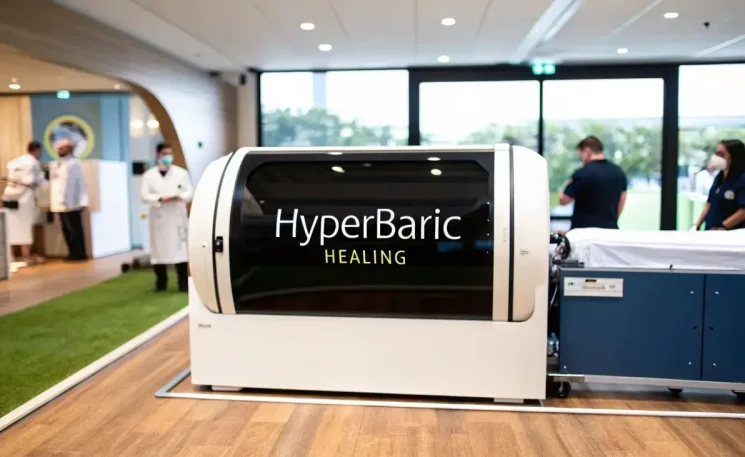
Wound healing can take time, especially when an injury involves damaged tissue, reduced blood flow, infection, or an underlying medical condition. Hyperbaric oxygen therapy (HBOT) has gained attention as a supportive treatment because it exposes a person to increased atmospheric pressure while they breathe concentrated oxygen. This process can increase the amount of oxygen available to tissues and may support the body’s natural healing processes.
Understanding the benefits of a hyperbaric chamber can help patients and healthcare professionals learn where this therapy may fit into a broader wound-care plan. However, HBOT should complement appropriate medical care rather than replace wound cleaning, infection management, circulation support, nutrition, or other treatments recommended by a qualified healthcare professional.
How Does a Hyperbaric Chamber Support Wound Healing?
A hyperbaric chamber creates an environment where atmospheric pressure rises above normal sea-level pressure. During treatment, the patient breathes oxygen under these controlled conditions. Increased pressure allows more oxygen to dissolve into the blood plasma.
This additional oxygen can reach tissues that may receive limited oxygen through normal circulation. Oxygen plays an important role in several stages of wound healing, including collagen formation, new blood-vessel development, and immune-system activity.
When a wound has poor oxygen delivery, these processes can become less efficient. HBOT may therefore provide additional oxygen to support tissue repair in appropriately selected cases.
Why Is Oxygen Important for Tissue Repair?
Oxygen supports many biological processes involved in wound healing. When the body experiences an injury, it immediately begins a coordinated repair response. Blood vessels, immune cells, fibroblasts, and other cells work together to remove damaged tissue and rebuild the affected area.
Oxygen contributes to collagen production, which helps provide structure to newly forming tissue. It also supports cellular energy production and certain immune functions that help the body respond to microorganisms.
For wounds associated with compromised circulation or tissue oxygenation, increasing oxygen availability may offer an additional supportive effect when used under appropriate medical supervision.
What Are the Potential Benefits of a Hyperbaric Chamber?
The benefits of a hyperbaric chamber depend on the patient’s condition, treatment protocol, and overall healthcare plan. HBOT may help support wound healing by increasing oxygen availability in tissues.
Potential benefits may include:
- Supporting oxygen delivery to compromised tissue
- Supporting collagen formation and tissue repair
- Helping certain immune cells function effectively
- Supporting the development of new blood vessels
- Providing an adjunctive option for certain difficult-to-heal wounds
- Supporting recovery when conventional wound care alone does not provide the desired progress
These benefits do not mean that every wound requires HBOT. Healthcare professionals typically consider the type of wound, its severity, circulation, infection status, previous treatments, and the patient’s overall health before recommending therapy.
Which Wounds May Benefit From Hyperbaric Oxygen Therapy?
HBOT has specific medical indications rather than serving as a universal treatment for every wound. Clinicians may consider it as part of treatment for certain chronic or complex wounds, including some diabetic foot wounds, particularly when standard wound management has not been sufficient and the patient meets appropriate criteria.
The underlying cause of poor healing also matters. A wound caused by pressure, infection, trauma, vascular problems, or another condition may require a different treatment strategy.
For this reason, patients should receive an appropriate wound assessment before considering hyperbaric oxygen therapy.
Can a Portable Hyperbaric Chamber Help With Wound Healing?
A portable hyperbaric chamber can offer convenience for certain applications, but consumers should understand that portable and clinical hyperbaric systems can differ significantly in design, operating pressure, oxygen delivery, monitoring, and intended use.
Not every portable chamber provides the same therapeutic environment as a medical hyperbaric facility. Some products operate at lower pressures and may be marketed for wellness or general oxygen-related applications rather than for specific medical indications.
Before purchasing or using a portable hyperbaric chamber for wound care, discuss the option with a qualified healthcare professional. The equipment should also have appropriate safety features, clear operating instructions, and suitable regulatory authorization for its intended use.
What Should You Consider Before Using a Hyperbaric Chamber?
Safety should remain a priority when considering HBOT. Hyperbaric therapy involves pressure changes and oxygen exposure, so trained professionals should evaluate whether the treatment is appropriate.
A healthcare provider may review medical history, medications, existing conditions, the nature of the wound, and potential contraindications. Patients should also follow the prescribed treatment pressure, oxygen concentration, session duration, and frequency.
Proper chamber operation matters as well. Operators need suitable training to monitor patients, recognize potential problems, and follow emergency procedures.
Equipment selection also deserves careful attention. A chamber should have appropriate safety controls, ventilation, pressure management, and monitoring systems for its intended application.
How Does HBOT Fit Into a Complete Wound-Care Plan?
HBOT should generally work alongside—not replace—established wound-care practices. Depending on the wound, treatment may include cleaning and dressing the wound, controlling infection, managing blood glucose, improving circulation, reducing pressure on the affected area, maintaining adequate nutrition, and treating underlying conditions.
Doctors may also monitor the wound regularly to determine whether it is responding to treatment.
This integrated approach helps address the causes of delayed healing rather than relying on a single therapy. HBOT may provide additional support when a qualified clinician determines that increased tissue oxygenation could be useful.
What Can Patients Expect During Hyperbaric Treatment?
During a typical hyperbaric session, the patient enters a chamber and experiences a gradual increase in pressure. Patients may notice pressure in their ears, similar to the sensation experienced during an airplane flight. Staff can provide instructions for equalizing ear pressure.
Treatment length and pressure vary according to the clinical protocol. After the session, the chamber gradually returns to normal atmospheric pressure.
Patients should communicate any discomfort to the treatment team. Professional monitoring helps make the experience safer and allows staff to respond appropriately to potential complications.
How Can You Choose the Right Hyperbaric Equipment?
Anyone researching hyperbaric equipment should look beyond appearance and advertised features. Consider the chamber’s intended purpose, pressure capability, oxygen-delivery system, monitoring features, construction quality, maintenance requirements, and applicable regulatory standards.
Training and after-sales support can also make an important difference. A reliable supplier should provide clear information about installation, operation, maintenance, and safety procedures.
Life Force Med Beds can be considered by people researching hyperbaric equipment and related solutions, but buyers should always match equipment specifications with their intended application and obtain appropriate professional guidance for medical use.
Is Hyperbaric Oxygen Therapy Right for Every Wound?
No. HBOT does not automatically accelerate healing for every type of wound, and it should not replace appropriate medical treatment. Its usefulness depends on the underlying condition and whether the patient meets established clinical criteria.
Anyone considering HBOT should first obtain a professional assessment. A healthcare provider can determine whether hyperbaric therapy may complement the existing wound-care plan and explain the expected benefits and risks.
What Should You Remember About Hyperbaric Wound Healing?
A hyperbaric chamber can increase oxygen availability in the body and may support important biological processes involved in healing certain difficult wounds. The benefits of a hyperbaric chamber can include supporting tissue oxygenation, collagen production, immune activity, and tissue repair in appropriate clinical situations.
A portable hyperbaric chamber may provide greater convenience for certain uses, but portable systems are not automatically equivalent to hospital-based medical hyperbaric equipment. Buyers should carefully evaluate specifications, safety features, intended use, and professional guidance before making a decision.
For people exploring hyperbaric equipment, Life Force Med Beds offers a starting point for researching available options. Ultimately, successful wound management depends on addressing the underlying cause, following professional medical advice, and using hyperbaric therapy only when it is appropriate.

- Share

YOU MIGHT ALSO ENJOY
Why Is Choosing the Right Orthodontist Important for Your Child?
Stephen Romero - November 3, 2026

Is Painless Tooth Extraction a Safe Option for Wisdom Teeth Removal?
Stephen Romero - November 2, 2026
What Should You Look for in a Liver Cancer Surgeon in India?
Stephen Romero - October 27, 2026
search
FAST ACCESS
- art&gallery (11)
- Automotive (29)
- beauty (17)
- blog (1,066)
- Business (1,622)
- car (1)
- cleening (27)
- clinic (1)
- Commercial Cleaning (1)
- courier services (7)
- Cybersecurity (1)
- dentel care (24)
- Driving school (15)
- electronics (1)
- events (3)
- food (4)
- forests (11)
- gameing (11)
- Health (125)
- Health & Fitness (229)
- Home & Garden (16)
- Home Improvement (3)
- Landscaping (1)
- Law (17)
- Lifestyle (18)
- machinery (5)
- Pest Control (1)
- Real Estate (20)
- Share Market (15)
- Shopping (22)
- Software Development (2)
- Technology (52)
- tool (3)
- toys (2)
- Trade Show Marketing (1)
- Travel (64)
- Wedding & Events (380)

must read
Convenient Food and Beverage Solutions in Oakland: Drink Machine Vending and Frozen Food Machines
Stephen Romero - November 6, 2026
Self Paced Online Certificate Programs: Learn New Skills and Advance Your Career
Stephen Romero - November 6, 2026
Best PPF in India: A Complete Guide to Choosing the Right Paint Protection Film
Stephen Romero - November 6, 2026
Academic Records Management System Nigeria: Transforming Education with a Smart School ERP System
Stephen Romero - November 6, 2026
recent post





ADVERTISEMENT

ARCHIVES
- November 2026 (113)
- October 2026 (170)
- September 2026 (55)
- August 2026 (110)
- July 2026 (202)
- June 2026 (319)
- May 2026 (244)
- April 2026 (197)
- March 2026 (174)
- February 2026 (179)
- January 2026 (210)
- December 2025 (151)
- November 2025 (132)
- October 2025 (105)
- September 2025 (166)
- August 2025 (164)
- July 2025 (150)
- June 2025 (172)
- May 2025 (97)
- April 2025 (1)
- March 2025 (8)
- February 2025 (9)
- January 2025 (8)
- December 2024 (25)
- November 2024 (40)
- October 2024 (11)
- September 2024 (1)
- July 2024 (10)
- June 2024 (11)
- May 2024 (31)
- April 2024 (15)
- March 2024 (19)
- February 2024 (6)
- January 2024 (7)
- December 2023 (11)
- November 2023 (1)
- October 2023 (2)
- July 2023 (13)
- June 2023 (21)
- May 2023 (27)
- April 2023 (23)
- March 2023 (16)
- February 2023 (31)
- January 2023 (27)
- December 2022 (11)
- November 2022 (12)
- October 2022 (11)
- September 2022 (11)
- August 2022 (14)
- July 2022 (13)
- June 2022 (19)
- May 2022 (17)
- April 2022 (10)
- March 2022 (12)
- February 2022 (8)
- January 2022 (9)
- December 2021 (19)
- November 2021 (4)
- October 2021 (6)
- September 2021 (4)
- August 2021 (4)
- July 2021 (10)
- June 2021 (6)
- May 2021 (2)
- April 2021 (2)
- March 2021 (45)
- August 2020 (31)
- July 2020 (30)
- June 2020 (29)