

Is Hair Keratin Treatment Safe for All Hair Types?

Hair keratin treatment is a popular salon service that helps reduce frizz, improve smoothness, and make hair easier to manage. Keratin is a protein naturally found in hair, skin, and nails. Many salon treatments use keratin-based ingredients and conditioning agents to improve the appearance and texture of the hair.
People often choose this treatment when they struggle with rough, dry, frizzy, or difficult-to-style hair. The treatment can help create a smoother finish and reduce the time needed for daily grooming.
However, keratin treatment does not suit every hair type or condition in the same way. Your hair’s texture, strength, porosity, and previous chemical treatments can influence the results. Before booking an appointment, consult a professional stylist who can assess your hair and recommend the right approach.
Is Hair Keratin Treatment Safe for All Hair Types?
Keratin treatments can work for many hair types, but their suitability depends on the product formula and the condition of your hair. People with straight, wavy, curly, and frizzy hair may benefit from the treatment when they choose an appropriate formula and follow professional advice.
However, some treatments use strong chemicals or high heat to create a smoother appearance. These factors can cause dryness, breakage, or scalp irritation, particularly when a stylist applies an unsuitable product or uses excessive heat.
If you have weak, damaged, or chemically processed hair, ask your stylist to evaluate its condition before proceeding. A professional consultation helps you understand the possible benefits, risks, and expected results.
When searching for Hair keratin treatment near me, look for a salon that explains its products, discusses potential side effects, and prioritises hair health rather than promising identical results for everyone.
How Does Keratin Treatment Affect Different Hair Types?
Different hair textures respond differently to keratin treatments. Understanding these differences can help you decide whether the service matches your grooming goals.
- Straight Hair
Straight hair may already look smooth, but humidity, dryness, and environmental exposure can still cause frizz. A keratin treatment may improve shine and make straight hair easier to style.
However, people with naturally fine or flat hair should choose carefully. Some formulas can reduce volume and make fine hair appear limp or greasy. A stylist can recommend an alternative conditioning service if your main goal is shine without losing fullness.
- Wavy Hair
Wavy hair often develops frizz when exposed to humidity. A suitable keratin treatment may help control flyaways and create a more polished appearance.
The results depend on the formula and application technique. Some treatments preserve much of the natural wave pattern, while others can loosen it significantly. Tell your stylist whether you want smoother waves or a straighter finish before the appointment.
- Curly Hair
Curly hair can benefit from improved manageability and reduced frizz. However, keratin treatments may change the natural curl pattern, depending on their ingredients and the heat used during application.
If you want to retain your natural curls, discuss your expectations with your stylist. You may prefer a conditioning treatment that improves softness without significantly altering your curl pattern.
- Dry or Damaged Hair
Dry and damaged hair requires extra care because it may already have a weakened structure. Although some keratin treatments can improve the hair’s appearance, they do not permanently repair all forms of structural damage.
Excessive heat and harsh chemical ingredients may worsen breakage. Your stylist should assess your hair and consider gentler alternatives if it feels brittle, stretches unusually, or breaks easily.
What Are the Main Benefits of Keratin Treatment?
A suitable keratin treatment can offer several grooming benefits.
- Reduced frizz: The treatment may help control flyaways and improve the hair’s appearance in humid weather.
- Improved manageability: Smoother hair can feel easier to comb, brush, and style.
- Enhanced shine: Conditioning ingredients may create a softer, glossier finish.
- Reduced styling time: Some people spend less time blow-drying or straightening their hair after treatment.
- A polished appearance: The treatment can help create a neat look for work, social events, and everyday activities.
Results vary according to hair type, product formulation, and aftercare. Your stylist should explain what you can realistically expect instead of guaranteeing a particular outcome.
What Risks Should You Consider Before Getting Keratin Treatment?
Before choosing a keratin treatment, understand its potential risks. Some smoothing products release formaldehyde or formaldehyde-related gases during application, particularly when heat is involved. These fumes can irritate the eyes, nose, throat, and respiratory system.
Other possible concerns include scalp irritation, dryness, and hair breakage. High-temperature styling tools can also damage fragile hair when a stylist uses them incorrectly.
Take these precautions before your appointment:
- Ask for the product name and ingredient list.
- Check whether the product contains formaldehyde or ingredients that may release it when heated.
- Choose a salon with suitable ventilation and trained professionals.
- Tell your stylist about allergies, scalp sensitivity, and previous chemical treatments.
- Avoid treatment on an irritated or injured scalp.
- Ask about safer alternatives if you have respiratory sensitivities.
If you experience severe irritation, breathing difficulties, or an unexpected reaction, stop the treatment and seek appropriate medical advice.
How Can You Choose the Right Salon for Keratin Treatment?
Choosing the right salon can make a significant difference to your experience. A professional stylist should assess your hair, explain the treatment process, and discuss the possible results before starting.
When searching for a Men salon near me, consider the salon’s experience with different hair textures, product transparency, hygiene standards, and consultation process. Read customer reviews, but also pay attention to how the stylist answers questions about safety and aftercare.
A good salon will not recommend the same treatment to every customer. Instead, the stylist will consider your hair density, natural texture, current condition, and preferred look.
At Hello Hair Men Salon, clients can discuss their grooming preferences and ask questions about hair-smoothing services before choosing an appropriate option. A personalised consultation helps customers make informed decisions based on their hair needs.
How Can You Maintain Your Hair After Keratin Treatment?
Proper aftercare can help you maintain the results and reduce unnecessary stress on your hair.
Follow the stylist’s instructions about when to wash your hair, as recommendations vary by product. Choose a suitable shampoo and conditioner, and ask whether a sulphate-free formula is appropriate for your treatment.
Avoid excessive heat styling, use a heat protectant when necessary, and handle wet hair gently. Regular conditioning can help maintain softness and manageability.
You should also remember that keratin treatments do not eliminate the need for regular hair care. Trim damaged ends when needed, avoid overlapping chemical treatments, and follow a routine that suits your hair’s condition.
Should You Get a Keratin Treatment for Your Hair Type?
Hair keratin treatment can suit many people, but it is not automatically safe or ideal for every hair type. Your natural texture, hair strength, scalp condition, and the treatment’s ingredients all influence its suitability.
If you want smoother, more manageable hair, consult a trained stylist before making your decision. Ask about the product formula, potential risks, expected results, and alternatives that may better suit your needs.
Hello Hair Men Salon encourages customers to prioritise informed grooming choices and realistic expectations. By selecting an appropriate treatment and following professional aftercare advice, you can work towards healthier-looking, smoother, and easier-to-manage hair.

- Share

YOU MIGHT ALSO ENJOY

What Services Can You Expect at a Professional Barber Shop?
Stephen Romero - October 5, 2026

What Should You Look for When Choosing a Keratin Treatment Salon?
Stephen Romero - September 29, 2026
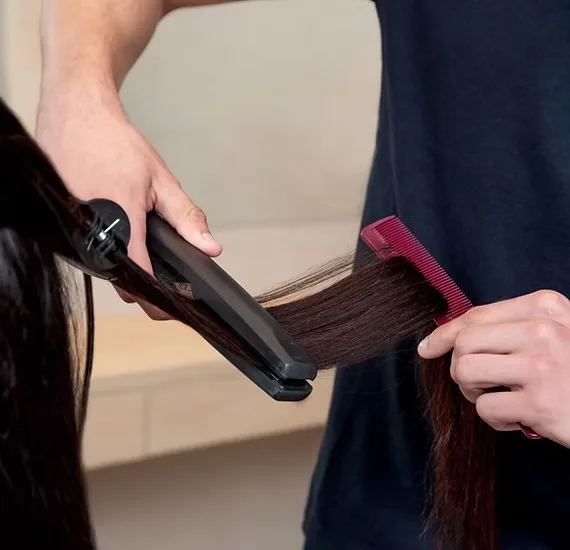
What Are the Benefits of Hair Keratin Treatment?
Stephen Romero - July 7, 2026
search
FAST ACCESS
- art&gallery (11)
- Automotive (28)
- beauty (15)
- blog (992)
- Business (1,532)
- car (1)
- cleening (27)
- clinic (1)
- Commercial Cleaning (1)
- courier services (7)
- Cybersecurity (1)
- dentel care (21)
- Driving school (15)
- electronics (1)
- events (3)
- food (4)
- forests (11)
- gameing (11)
- Health (118)
- Health & Fitness (222)
- Home & Garden (16)
- Home Improvement (3)
- Landscaping (1)
- Law (17)
- Lifestyle (18)
- machinery (5)
- Pest Control (1)
- Real Estate (20)
- Share Market (15)
- Shopping (22)
- Software Development (2)
- Technology (52)
- tool (3)
- toys (2)
- Trade Show Marketing (1)
- Travel (64)
- Wedding & Events (378)

must read
Green Wall Design: Transform Your Space with a Beautiful Vertical Green Wall
Stephen Romero - October 22, 2026
Why Is Choosing a Reliable Aluminium Supplier in Singapore Important?
Stephen Romero - October 22, 2026
Which Photo Booth Rental Should You Choose in Pittsburgh and Erie for Your Next Event?
Stephen Romero - October 22, 2026
Garden Center Layout Design and Indoor Botanical Garden Design: Creating Inspiring Green Spaces
Stephen Romero - October 22, 2026
Joint Replacement Treatment in Bilaspur: A Complete Guide to Better Mobility and Pain Relief
Stephen Romero - October 22, 2026
recent post



ADVERTISEMENT

ARCHIVES
- October 2026 (98)
- September 2026 (55)
- August 2026 (110)
- July 2026 (202)
- June 2026 (319)
- May 2026 (244)
- April 2026 (197)
- March 2026 (174)
- February 2026 (179)
- January 2026 (210)
- December 2025 (151)
- November 2025 (132)
- October 2025 (105)
- September 2025 (166)
- August 2025 (164)
- July 2025 (150)
- June 2025 (172)
- May 2025 (97)
- April 2025 (1)
- March 2025 (8)
- February 2025 (9)
- January 2025 (8)
- December 2024 (25)
- November 2024 (40)
- October 2024 (11)
- September 2024 (1)
- July 2024 (10)
- June 2024 (11)
- May 2024 (31)
- April 2024 (15)
- March 2024 (19)
- February 2024 (6)
- January 2024 (7)
- December 2023 (11)
- November 2023 (1)
- October 2023 (2)
- July 2023 (13)
- June 2023 (21)
- May 2023 (27)
- April 2023 (23)
- March 2023 (16)
- February 2023 (31)
- January 2023 (27)
- December 2022 (11)
- November 2022 (12)
- October 2022 (11)
- September 2022 (11)
- August 2022 (14)
- July 2022 (13)
- June 2022 (19)
- May 2022 (17)
- April 2022 (10)
- March 2022 (12)
- February 2022 (8)
- January 2022 (9)
- December 2021 (19)
- November 2021 (4)
- October 2021 (6)
- September 2021 (4)
- August 2021 (4)
- July 2021 (10)
- June 2021 (6)
- May 2021 (2)
- April 2021 (2)
- March 2021 (45)
- August 2020 (31)
- July 2020 (30)
- June 2020 (29)