

Mid-Century Design: A Timeless Blend of Form, Function, and Artistic Innovation
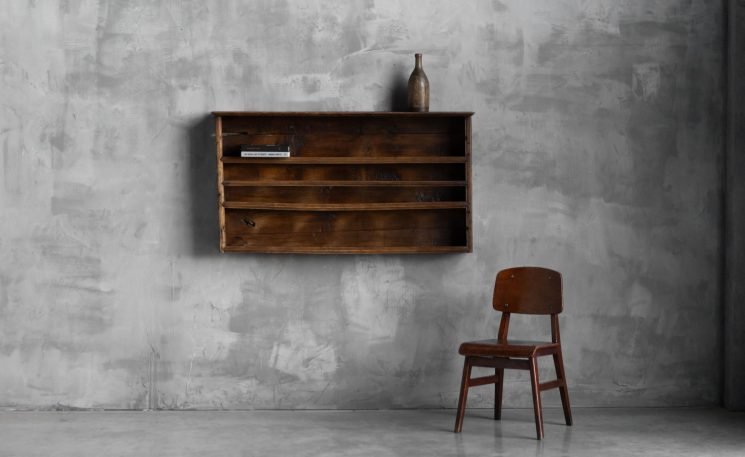
Mid-Century Design remains one of the most influential and admired design movements in the world. Emerging in the mid-20th century, roughly between the 1940s and 1970s, this design philosophy reshaped architecture, furniture, and interior aesthetics. Known for its clean lines, organic curves, and emphasis on functionality, Mid-Century Design continues to inspire modern creators and homeowners alike. It is not just a style but a reflection of a cultural shift toward simplicity, innovation, and thoughtful craftsmanship.
The Origins and Essence of Mid-Century Design
Mid-Century Design developed during a period of rapid technological advancement and social transformation following World War II. Designers sought to create pieces that were not only visually appealing but also practical and accessible. The focus on functionality led to the rise of what is now often described as Functional Art, where objects serve a purpose while also being aesthetically pleasing.
The materials used in Mid-Century Design were groundbreaking for their time. Designers experimented with plywood, fiberglass, metal, and glass, creating furniture that was lightweight yet durable. The combination of natural and industrial materials resulted in designs that felt both warm and modern.
Influence of Brazilian Design in Mid-Century Aesthetics
Brazilian Design played a significant role in shaping the global perception of Mid-Century Design. Known for its use of rich woods, bold forms, and a strong connection to nature, Brazilian Design brought a unique warmth and authenticity to the movement. Designers from Brazil often incorporated traditional craftsmanship with modernist principles, creating pieces that were both innovative and deeply rooted in cultural heritage.
The influence of Brazilian Design is evident in the use of organic shapes and sustainable materials. It emphasized comfort and elegance, making it a perfect complement to the clean lines of Mid-Century Design. This fusion of styles created a global design language that continues to resonate today.
Visionary Designers Who Defined the Era
Several iconic designers contributed to the success and legacy of Mid-Century Design. Each brought their own philosophy and creativity, shaping the movement in distinct ways.
Pierre Chapo was known for his solid wood furniture and minimalist approach. His designs focused on craftsmanship and structural integrity, often highlighting the natural beauty of wood. Chapo’s work remains highly sought after for its timeless appeal and durability.
Charlotte Perriand played a crucial role in redefining modern interiors. Her work emphasized functionality and human-centered design. She believed that furniture should adapt to the needs of people, creating spaces that were both practical and comfortable.
Jean Prouvé was a pioneer in combining engineering with design. His innovative use of metal and prefabrication techniques made his furniture both efficient and visually striking. Prouvé’s designs reflect a deep understanding of structure and form.
Afra & Tobia Scarpa contributed significantly to Italian modernism. Their designs often featured a balance between tradition and innovation, blending craftsmanship with modern materials.
Mario Bellini is celebrated for his bold and experimental approach. His designs often pushed the boundaries of form and function, creating iconic pieces that remain relevant today.
One of Bellini’s most famous creations is the Camaleonda, a modular sofa that allows users to customize its configuration. The Camaleonda embodies the flexibility and adaptability that define Mid-Century Design.
George Nakashima, often referred to simply as Nakashima, brought a spiritual and organic approach to furniture design. His work celebrated the natural imperfections of wood, creating pieces that felt alive and unique.
Pierre Jeanneret, a close collaborator of Le Corbusier, contributed significantly to modernist furniture design. His work in Chandigarh, India, remains iconic for its simplicity and functionality.
Contemporary Interpretations and Emerging Names
While the pioneers of Mid-Century Design laid the foundation, contemporary designers continue to reinterpret the style. One such name gaining attention is Boris Devis. His work reflects a modern take on classic principles, blending traditional craftsmanship with contemporary aesthetics.
The collection known as Goldwood by Boris showcases this fusion beautifully. It emphasizes high-quality materials, refined details, and a commitment to sustainability. By drawing inspiration from Mid-Century Design while incorporating modern techniques, Goldwood by Boris represents the evolution of the movement.
Functional Art: The Core Philosophy
At the heart of Mid-Century Design lies the concept of Functional Art. This philosophy emphasizes that everyday objects should be both useful and beautiful. Designers believed that good design improves the quality of life, making daily experiences more enjoyable.
Functional Art is evident in the simplicity of forms and the absence of unnecessary ornamentation. Each element serves a purpose, contributing to the overall harmony of the design. This approach not only enhances usability but also creates a sense of balance and clarity.
Materials and Craftsmanship
The success of Mid-Century Design can be attributed to its innovative use of materials and exceptional craftsmanship. Wood, particularly teak, walnut, and oak, was a popular choice for furniture. These materials added warmth and texture, creating a connection between indoor spaces and the natural environment.
Metal and glass were also widely used, adding a modern and industrial touch. The combination of these materials resulted in designs that were both functional and visually striking. The emphasis on craftsmanship ensured that each piece was built to last, making Mid-Century furniture highly durable and timeless.
The Lasting Appeal of Mid-Century Design
One of the reasons Mid-Century Design continues to thrive is its versatility. It can be seamlessly integrated into various interior styles, from minimalist to eclectic. The clean lines and neutral color palettes make it easy to mix and match with other design elements.
Another factor contributing to its popularity is sustainability. Many Mid-Century pieces are made from high-quality materials, ensuring longevity. This aligns with modern values of reducing waste and investing in durable products.
The influence of Mid-Century Design can be seen in contemporary architecture, furniture, and even graphic design. Its principles continue to guide designers, proving that good design is truly timeless.
Conclusion
Mid-Century Design is more than just a trend; it is a testament to the power of thoughtful design and innovation. From the organic elegance of Brazilian Design to the groundbreaking work of designers like Pierre Chapo, Charlotte Perriand, and Jean Prouvé, the movement has left an indelible mark on the world of design.
The contributions of visionaries such as Mario Bellini and the enduring popularity of pieces like the Camaleonda highlight the adaptability and relevance of this style. Meanwhile, contemporary creators like Boris Devis and collections such as Goldwood by Boris demonstrate how Mid-Century principles continue to evolve.

- Share

YOU MIGHT ALSO ENJOY

Understanding Absorbable Gelatin Sponge, Nasal Tampon Manufacturer, and Anal Tampon Solutions
Stephen Romero - September 22, 2026

Outlook Email Recovery Software: Complete Guide to Recovering Outlook Emails and PST Files
Stephen Romero - September 14, 2026

Choosing the Right Medical Glove Partner: Surgical Gloves Manufacturers in India
Stephen Romero - August 17, 2026
search
FAST ACCESS
- art&gallery (11)
- Automotive (27)
- beauty (12)
- blog (992)
- Business (1,459)
- car (1)
- cleening (27)
- clinic (1)
- Commercial Cleaning (1)
- courier services (7)
- Cybersecurity (1)
- dentel care (16)
- Driving school (13)
- electronics (1)
- events (2)
- food (3)
- forests (11)
- gameing (11)
- Health (100)
- Health & Fitness (219)
- Home & Garden (16)
- Home Improvement (2)
- Landscaping (1)
- Law (17)
- Lifestyle (18)
- machinery (5)
- Pest Control (1)
- Real Estate (20)
- Share Market (15)
- Shopping (22)
- Software Development (2)
- Technology (50)
- tool (3)
- toys (2)
- Trade Show Marketing (1)
- Travel (63)
- Wedding & Events (378)

must read
Understanding Absorbable Gelatin Sponge, Nasal Tampon Manufacturer, and Anal Tampon Solutions
Stephen Romero - September 22, 2026
What Makes Core Pilates Houston Effective for Building Strength?
Stephen Romero - September 22, 2026
recent post




ADVERTISEMENT

ARCHIVES
- September 2026 (42)
- August 2026 (110)
- July 2026 (202)
- June 2026 (319)
- May 2026 (244)
- April 2026 (197)
- March 2026 (174)
- February 2026 (179)
- January 2026 (210)
- December 2025 (151)
- November 2025 (132)
- October 2025 (105)
- September 2025 (166)
- August 2025 (164)
- July 2025 (150)
- June 2025 (172)
- May 2025 (97)
- April 2025 (1)
- March 2025 (8)
- February 2025 (9)
- January 2025 (8)
- December 2024 (25)
- November 2024 (40)
- October 2024 (11)
- September 2024 (1)
- July 2024 (10)
- June 2024 (11)
- May 2024 (31)
- April 2024 (15)
- March 2024 (19)
- February 2024 (6)
- January 2024 (7)
- December 2023 (11)
- November 2023 (1)
- October 2023 (2)
- July 2023 (13)
- June 2023 (21)
- May 2023 (27)
- April 2023 (23)
- March 2023 (16)
- February 2023 (31)
- January 2023 (27)
- December 2022 (11)
- November 2022 (12)
- October 2022 (11)
- September 2022 (11)
- August 2022 (14)
- July 2022 (13)
- June 2022 (19)
- May 2022 (17)
- April 2022 (10)
- March 2022 (12)
- February 2022 (8)
- January 2022 (9)
- December 2021 (19)
- November 2021 (4)
- October 2021 (6)
- September 2021 (4)
- August 2021 (4)
- July 2021 (10)
- June 2021 (6)
- May 2021 (2)
- April 2021 (2)
- March 2021 (45)
- August 2020 (31)
- July 2020 (30)
- June 2020 (29)