

What Should You Expect from Your First Group Pilates Class?

Starting a new fitness routine can feel exciting, especially when you want to improve your strength, flexibility, and overall well-being. If you want a workout that combines controlled movements with mindful breathing, Pilates can be an excellent choice. Your first session may seem unfamiliar, but you do not need previous experience to get started. Group Pilates Classes welcome people with different fitness levels and help participants build confidence through guided exercises.
Before attending your first class, it helps to understand what happens during a session, what equipment you might use, and how you can prepare. With the right expectations, you can enjoy the experience and work toward your fitness goals at a comfortable pace.
What Happens During Your First Group Pilates Class?
Your first Pilates class usually begins with a brief introduction from the instructor. They may ask about your fitness experience, personal goals, and any physical limitations that could affect your movements. This conversation helps them suggest suitable modifications and guide you through the session safely.
Most classes start with gentle warm-up exercises that prepare your body for movement. You may practise breathing techniques, pelvic tilts, spinal movements, and simple core exercises. As the class progresses, the instructor introduces movements that target different muscle groups.
You will also learn how to maintain proper posture, control your movements, and coordinate your breathing. Unlike fast-paced workouts, Pilates focuses on precision rather than speed. You do not need to perform every movement perfectly during your first session. Instead, concentrate on learning the techniques and following the instructor’s guidance.
How Can Group Pilates Classes Improve Your Fitness?
Group Pilates Classes offer several benefits for people who want to develop a balanced fitness routine. The exercises focus on controlled movement, core stability, flexibility, and body awareness. Regular practice can help you improve these areas over time.
Here are some benefits you may experience with consistent participation:
- Better core strength: Pilates targets the abdominal muscles, back muscles, and other muscles that support your torso.
- Improved flexibility: Gentle stretching and controlled movements help you develop a greater range of motion.
- Better posture: Pilates encourages proper alignment and helps you become more aware of how you sit, stand, and move.
- Greater body awareness: You learn to recognise muscle tension and control your movements more effectively.
- Low-impact exercise: Many Pilates movements place less impact on your joints than running or jumping exercises.
Your results will depend on your starting fitness level, consistency, exercise technique, and individual needs. Although Pilates supports general fitness, you can combine it with cardiovascular exercise and resistance training for a more comprehensive workout plan.
What Should You Wear and Bring to Your First Class?
Choosing comfortable clothing can make your first Pilates session easier. Wear flexible workout clothes that allow you to bend, stretch, and move without restriction. Avoid excessively loose clothing that could interfere with your movements or make it difficult for the instructor to observe your posture.
Many Pilates studios ask participants to practise barefoot or wear grip socks, depending on the class format and studio rules. Check the requirements before arriving.
You should also bring a water bottle and a small towel if needed. Some studios provide exercise mats and other equipment, while others ask participants to bring their own mats. Contact the studio beforehand to confirm what you need.
Arrive around 10 to 15 minutes early if possible. This gives you time to settle in, meet the instructor, and ask questions before the session begins. Arriving early can also help you feel more relaxed if you have never attended a group fitness class.
Will You Need Previous Pilates Experience?
No. Most beginner-friendly Pilates sessions do not require previous experience. Instructors typically explain the basic movements and demonstrate how to perform them correctly. They may also offer easier variations for beginners and more challenging options for experienced participants.
During your first class, focus on understanding the instructions instead of comparing yourself with others. Some participants may move confidently because they have practised Pilates for months or years. You can develop your own skills gradually through regular attendance.
If a movement feels uncomfortable or difficult, ask the instructor for a modification. You should never feel pressured to match another participant’s pace or range of motion. Inform the instructor about injuries, pain, or other relevant physical limitations before starting. Stop any movement that causes sharp pain and seek appropriate professional advice when necessary.
What Equipment Might You Use During a Pilates Session?
Your first session may use a mat and your body weight, or it may include specialised equipment. The type of class determines which exercises you will perform.
Mat Pilates generally uses a padded surface and controlled bodyweight movements. You may perform exercises such as bridges, leg lifts, modified planks, and spinal mobility movements.
Some classes incorporate small equipment, including resistance bands, Pilates rings, and exercise balls. These tools can add resistance, support certain movements, or challenge your balance.
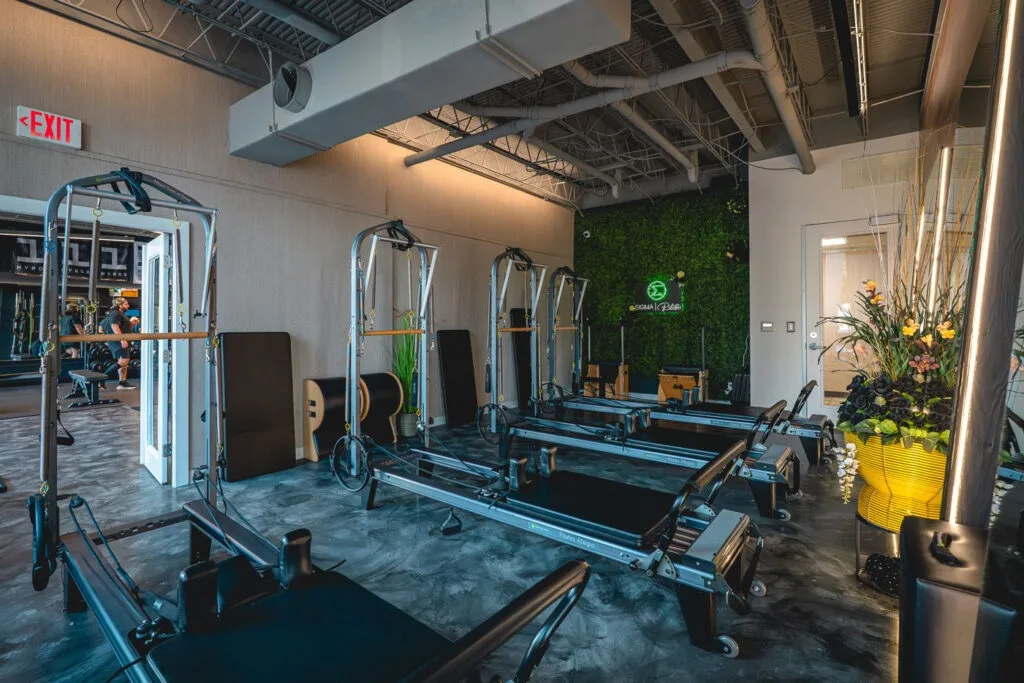
Reformer Pilates uses a specialised machine with a sliding carriage, springs, straps, and adjustable resistance. If you attend a reformer class, the instructor should explain how to use the equipment and adjust it appropriately.
You do not need to purchase expensive equipment before your first session. Start with the equipment your chosen studio provides and decide what you need later.
How Can You Get the Most Out of Your First Class?
A positive first experience starts with realistic expectations and a willingness to learn. You can make your session more productive by following a few simple tips.
First, listen carefully to the instructor’s explanations. Proper technique matters more than completing a high number of repetitions. Pay attention to your breathing, posture, and movement control throughout each exercise.
Second, work within your current ability. Choose modifications when necessary, take short breaks when needed, and avoid forcing your body into uncomfortable positions.
Third, communicate openly. Let the instructor know if you feel confused or need additional guidance. Asking questions helps you understand the exercises and develop better habits.
Finally, stay consistent. One class can introduce you to Pilates, but regular practice offers more opportunities to improve strength, flexibility, and coordination. Give yourself time to learn and celebrate small improvements along the way.
Why Choose Sigma Performance Training for Your Fitness Journey?
Choosing a suitable fitness environment can make it easier to stay motivated and maintain a regular exercise schedule. Look for instructors who explain movements clearly, offer appropriate modifications, and encourage participants to progress at their own pace.
Sigma Performance Training is a name to consider when exploring your fitness options. Before joining any programme, ask about class sizes, instructor qualifications, beginner sessions, and available training formats. These details can help you determine whether a class matches your experience and goals.
A supportive group environment can also make exercise more enjoyable. You can learn alongside other participants, develop a routine, and celebrate progress together. However, your personal comfort and the quality of instruction should remain important factors when choosing a class.
What Should You Do After Your First Pilates Class?
After your first session, take a few minutes to reflect on your experience. Consider which exercises felt comfortable, which movements challenged you, and whether you enjoyed the instructor’s teaching style.
Drink water, eat balanced meals, and allow your body time to recover. You may notice mild muscle soreness, particularly if you used muscles that you do not usually train. Gentle walking and normal daily movement may help you remain comfortable.
If you experience severe pain, persistent discomfort, or unusual symptoms, do not ignore them. Seek appropriate medical guidance before continuing exercises that may aggravate the problem.
You can also ask your instructor which beginner exercises you should practise between classes. With guidance and regular attendance, you can gradually improve your technique and confidence.
Sigma Performance Training can be part of your search for a fitness routine that supports your long-term goals. The key is to choose a programme that fits your needs and allows you to progress safely.
Are You Ready to Try Your First Group Pilates Class?
Your first Pilates session is an opportunity to learn, move, and discover a different approach to fitness. You can expect guided exercises, controlled movements, breathing techniques, and a welcoming introduction to core training. You do not need advanced fitness skills or perfect flexibility to begin.
By wearing comfortable clothing, arriving early, communicating with your instructor, and working at your own pace, you can make your first experience more enjoyable. Explore beginner-friendly Group Pilates Classes, stay consistent, and give yourself time to develop strength, flexibility, and body awareness. Every class offers another opportunity to build confidence and take a positive step toward your fitness goals.

- Share

YOU MIGHT ALSO ENJOY

How Can You Choose the Right Reformer Pilates Studio in Houston?
Stephen Romero - October 24, 2026

Why Should You Consider Getting Dental Braces?
Stephen Romero - October 13, 2026
Is Pilates Suitable for People With Different Fitness Levels?
Stephen Romero - October 6, 2026
search
FAST ACCESS
- art&gallery (11)
- Automotive (28)
- beauty (15)
- blog (997)
- Business (1,562)
- car (1)
- cleening (27)
- clinic (1)
- Commercial Cleaning (1)
- courier services (7)
- Cybersecurity (1)
- dentel care (22)
- Driving school (15)
- electronics (1)
- events (3)
- food (4)
- forests (11)
- gameing (11)
- Health (122)
- Health & Fitness (224)
- Home & Garden (16)
- Home Improvement (3)
- Landscaping (1)
- Law (17)
- Lifestyle (18)
- machinery (5)
- Pest Control (1)
- Real Estate (20)
- Share Market (15)
- Shopping (22)
- Software Development (2)
- Technology (52)
- tool (3)
- toys (2)
- Trade Show Marketing (1)
- Travel (64)
- Wedding & Events (379)
must read
White-Label Cybersecurity: A Strategic Guide for MSPs Transitioning to MSSPs
Stephen Romero - October 27, 2026
When to Choose Professional MacBook and Phone Repair Services in Belconnen
Stephen Romero - October 27, 2026
Salute e Bellezza: Consigli per un Benessere Consapevole e Duraturo
Stephen Romero - October 27, 2026
Saúde e Bem-Estar em Portugal: Um Guia para Tratamentos e Escolhas Informadas
Stephen Romero - October 27, 2026
recent post



ADVERTISEMENT

ARCHIVES
- October 2026 (140)
- September 2026 (55)
- August 2026 (110)
- July 2026 (202)
- June 2026 (319)
- May 2026 (244)
- April 2026 (197)
- March 2026 (174)
- February 2026 (179)
- January 2026 (210)
- December 2025 (151)
- November 2025 (132)
- October 2025 (105)
- September 2025 (166)
- August 2025 (164)
- July 2025 (150)
- June 2025 (172)
- May 2025 (97)
- April 2025 (1)
- March 2025 (8)
- February 2025 (9)
- January 2025 (8)
- December 2024 (25)
- November 2024 (40)
- October 2024 (11)
- September 2024 (1)
- July 2024 (10)
- June 2024 (11)
- May 2024 (31)
- April 2024 (15)
- March 2024 (19)
- February 2024 (6)
- January 2024 (7)
- December 2023 (11)
- November 2023 (1)
- October 2023 (2)
- July 2023 (13)
- June 2023 (21)
- May 2023 (27)
- April 2023 (23)
- March 2023 (16)
- February 2023 (31)
- January 2023 (27)
- December 2022 (11)
- November 2022 (12)
- October 2022 (11)
- September 2022 (11)
- August 2022 (14)
- July 2022 (13)
- June 2022 (19)
- May 2022 (17)
- April 2022 (10)
- March 2022 (12)
- February 2022 (8)
- January 2022 (9)
- December 2021 (19)
- November 2021 (4)
- October 2021 (6)
- September 2021 (4)
- August 2021 (4)
- July 2021 (10)
- June 2021 (6)
- May 2021 (2)
- April 2021 (2)
- March 2021 (45)
- August 2020 (31)
- July 2020 (30)
- June 2020 (29)