

Why Is Stainless Steel Resistant to Rust and Corrosion?
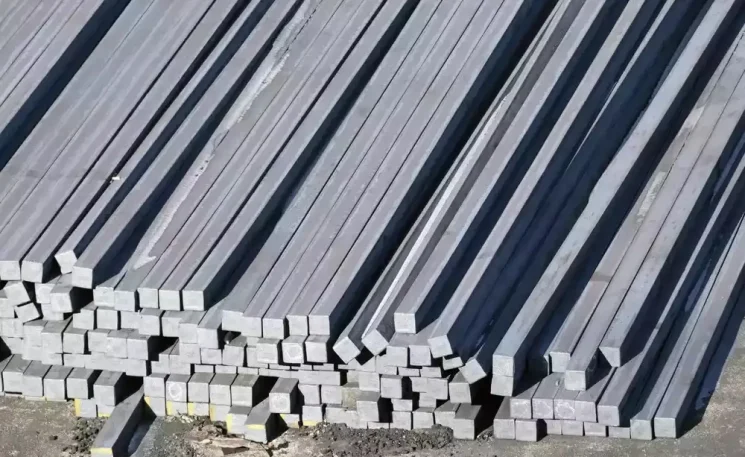
Stainless steel has earned a strong reputation worldwide, and especially in Stainless Steel Singapore, for its outstanding resistance to rust and corrosion. This property makes it a preferred material across industries such as construction, marine, food processing, healthcare, and architecture. Unlike ordinary steel, stainless steel actively protects itself from environmental damage, even in humid and coastal conditions like those found in Singapore.
The secret lies in its unique chemical composition and how it reacts with oxygen. Instead of weakening over time, stainless steel forms a protective layer that helps it maintain strength, appearance, and durability for decades.
What Role Does Chromium Play in Preventing Rust and Corrosion?
Chromium is the most critical element in stainless steel. When steel contains at least 10.5% chromium, it qualifies as stainless steel. Chromium reacts with oxygen in the air or water to form a thin, invisible oxide layer on the surface.
This layer acts as a shield that prevents moisture and corrosive substances from reaching the metal beneath. In Stainless Steel Singapore, where humidity is high year-round, this chromium oxide film plays a vital role in protecting stainless steel from rust.
Even if the surface gets scratched, the chromium reacts again with oxygen and repairs the protective layer automatically. This self-healing ability sets stainless steel apart from other metals.
How Does the Passive Layer Protect Stainless Steel?
The passive layer formed on stainless steel is extremely thin, yet highly effective. Unlike coatings or paints that can peel or wear off, this layer bonds naturally with the metal surface.
This passive film:
- Blocks oxygen and water from penetrating the steel
- Prevents iron from reacting with moisture
- Regenerates when damaged
Thanks to this property, stainless steel products used in Stainless Steel Singapore remain corrosion-resistant even in demanding environments such as coastal areas, industrial zones, and commercial kitchens.
Why Does Stainless Steel Perform Well in Humid and Marine Environments?
Singapore’s climate includes high humidity, frequent rain, and salty sea air. These conditions accelerate corrosion in many metals. Stainless steel resists these challenges because its alloying elements strengthen the passive layer.
Grades that contain molybdenum, such as 316 stainless steel, offer enhanced resistance to chloride corrosion. This makes them ideal for marine, offshore, and waterfront applications commonly seen across Stainless Steel Singapore.
As a result, architects and engineers rely on stainless steel for railings, bridges, façades, and coastal infrastructure.
How Do Different Stainless Steel Grades Affect Corrosion Resistance?
Not all stainless steel grades provide the same level of corrosion resistance. The alloy composition determines performance in specific environments.
Common grades include:
- 304 Stainless Steel: Suitable for indoor and general outdoor use
- 316 Stainless Steel: Excellent for marine and chemical exposure
- 430 Stainless Steel: Moderate corrosion resistance for dry environments
Choosing the right grade is essential for long-term performance. Trusted suppliers like Kian Huat Metal Pte Ltd help customers select appropriate grades for their specific applications in Singapore.
Why Does Stainless Steel Last Longer Than Other Metals?
Traditional carbon steel rusts when exposed to moisture and oxygen. Rust spreads quickly, weakens the structure, and requires frequent maintenance. Stainless steel avoids this problem by resisting oxidation from the start.
This longevity reduces replacement costs and maintenance efforts. In Stainless Steel Singapore, businesses value stainless steel because it delivers:
- Long service life
- Low maintenance requirements
- Consistent performance in harsh conditions
Over time, the higher initial cost of stainless steel often proves more economical than cheaper alternatives.
How Does Proper Maintenance Enhance Corrosion Resistance?
Although stainless steel resists rust naturally, proper maintenance improves its performance. Simple cleaning removes contaminants like salt, grease, and pollutants that may damage the passive layer.
Best practices include:
- Regular washing with mild soap and water
- Avoiding harsh chemicals or steel brushes
- Rinsing thoroughly after cleaning
In Stainless Steel Singapore, routine maintenance is especially important for outdoor installations exposed to rain and sea air.
Why Is Stainless Steel Ideal for Food and Medical Industries?
Stainless steel’s corrosion resistance also supports hygiene and safety. Rust-free surfaces prevent bacterial growth and contamination, making stainless steel ideal for food processing, hospitals, and laboratories.
Its smooth, non-porous surface allows easy cleaning and sterilization. This explains why stainless steel dominates commercial kitchens, medical equipment, and pharmaceutical facilities throughout Stainless Steel Singapore.
Suppliers such as Kian Huat Metal Pte Ltd provide high-quality stainless steel materials that meet strict industry standards.
How Does Stainless Steel Support Sustainable and Eco-Friendly Construction?
Stainless steel contributes to sustainability in multiple ways. Its durability reduces material waste, and its resistance to corrosion extends product life. Additionally, stainless steel is 100% recyclable without losing quality.
In Singapore’s push toward green construction, stainless steel plays a crucial role in sustainable buildings and infrastructure. Choosing corrosion-resistant materials reduces long-term environmental impact and supports responsible development.
Why Is Stainless Steel the Smart Choice for Singapore’s Climate?
Singapore’s tropical environment demands materials that can withstand heat, moisture, and pollution. Stainless steel meets these challenges with ease. Its corrosion resistance, strength, and aesthetic appeal make it a top choice for residential, commercial, and industrial projects.
From skyscrapers to kitchen equipment, Stainless Steel Singapore continues to set benchmarks for durability and performance. When sourced from reliable suppliers like Kian Huat Metal Pte Ltd, stainless steel delivers unmatched value and peace of mind.
What Makes Stainless Steel a Long-Term Investment Against Corrosion?
Stainless steel resists rust not by chance, but by design. Its chromium-rich composition, self-healing passive layer, and adaptable grades ensure reliable performance in diverse environments. In a climate like Singapore’s, these properties make stainless steel a smart, future-proof investment.
By choosing the right grade, maintaining it properly, and working with trusted suppliers, businesses and homeowners can enjoy the long-lasting benefits of corrosion-resistant stainless steel for generations to come.

- Share

YOU MIGHT ALSO ENJOY
Why SS 316L Bolts and A286 Bolts Are Essential for Modern Industrial and Hospitality Infrastructure | Explore Hotel Services Company
Stephen Romero - February 28, 2026
Why Inconel 625 Tube Fittings and Monel 400 Tube Fittings Are Essential for High-Performance Industries | Explore Hotel Services Company
Stephen Romero - February 28, 2026
search
FAST ACCESS
- art&gallery (4)
- Automotive (25)
- beauty (7)
- blog (523)
- Business (885)
- cleening (13)
- clinic (1)
- courier services (4)
- dentel care (6)
- Driving school (3)
- electronics (1)
- events (1)
- food (1)
- forests (11)
- gameing (5)
- Health (30)
- Health & Fitness (218)
- Home & Garden (16)
- Landscaping (1)
- Law (16)
- Lifestyle (14)
- machinery (5)
- Real Estate (9)
- Share Market (15)
- Shopping (7)
- Technology (31)
- tool (2)
- toys (2)
- Travel (43)
- Wedding & Events (344)

must read
A Complete Mattress Buying Guide: Ecoflex, Latex, Pocket Spring, Memory Foam, and Foldable Options
Stephen Romero - February 28, 2026
Why SS 316L Bolts and A286 Bolts Are Essential for Modern Industrial and Hospitality Infrastructure | Explore Hotel Services Company
Stephen Romero - February 28, 2026
Why Inconel 625 Tube Fittings and Monel 400 Tube Fittings Are Essential for High-Performance Industries | Explore Hotel Services Company
Stephen Romero - February 28, 2026
Why Choosing the Right Nickel Alloys Suppliers and Instrumentation Tube Fittings Suppliers Matters for Long-Term Industrial Success | Explore Hotel Services Company
Stephen Romero - February 28, 2026
Why flange manufacturers in India and SS Fittings manufacturers Like Ramesh Steel Corporation Are Powering Industrial Growth
Stephen Romero - February 28, 2026
recent post

ADVERTISEMENT

ARCHIVES
- February 2026 (179)
- January 2026 (210)
- December 2025 (151)
- November 2025 (132)
- October 2025 (105)
- September 2025 (166)
- August 2025 (164)
- July 2025 (150)
- June 2025 (173)
- May 2025 (99)
- April 2025 (1)
- March 2025 (8)
- February 2025 (9)
- January 2025 (8)
- December 2024 (25)
- November 2024 (40)
- October 2024 (11)
- September 2024 (1)
- July 2024 (10)
- June 2024 (11)
- May 2024 (31)
- April 2024 (15)
- March 2024 (19)
- February 2024 (6)
- January 2024 (7)
- December 2023 (11)
- November 2023 (1)
- July 2023 (13)
- June 2023 (21)
- May 2023 (27)
- April 2023 (23)
- March 2023 (16)
- February 2023 (31)
- January 2023 (27)
- December 2022 (11)
- November 2022 (12)
- October 2022 (11)
- September 2022 (11)
- August 2022 (14)
- July 2022 (13)
- June 2022 (19)
- May 2022 (17)
- April 2022 (10)
- March 2022 (12)
- February 2022 (8)
- January 2022 (9)
- December 2021 (19)
- November 2021 (4)
- October 2021 (6)
- September 2021 (4)
- August 2021 (4)
- July 2021 (10)
- June 2021 (6)
- May 2021 (2)
- April 2021 (2)
- March 2021 (45)
- August 2020 (31)
- July 2020 (30)
- June 2020 (29)