

Wood Adhesive & Best Wood Glue: A Complete Guide for Strong and Durable Bonds
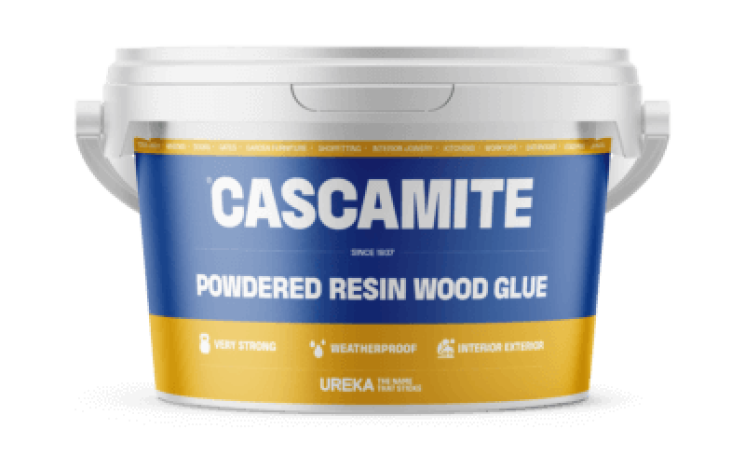
When it comes to woodworking, choosing the right wood adhesive can make all the difference between a long-lasting project and one that falls apart over time. Whether you are a professional carpenter or a DIY enthusiast, selecting the best wood glue ensures strength, durability, and a clean finish.
What is Wood Adhesive?
A wood adhesive is a specially formulated glue designed to bond wooden surfaces together. Unlike regular glue, it penetrates the wood fibers, creating a strong internal bond that enhances the overall structure. Wood adhesives are widely used in furniture making, carpentry, flooring, and decorative wood projects.
These adhesives are available in various types, each suited for specific applications. Understanding these types is essential for choosing the right product for your project.
Types of Wood Adhesive
There are several kinds of wood adhesive available in the market, and each serves a unique purpose:
1. PVA (Polyvinyl Acetate) Glue
This is the most common type of wood adhesive and is often considered the best wood glue for general use. It is easy to apply, dries quickly, and creates a strong bond. It is perfect for indoor furniture and DIY projects.
2. Polyurethane Glue
Polyurethane-based wood adhesive is known for its waterproof properties. It expands as it cures, filling gaps and creating a strong bond. This makes it ideal for outdoor projects and areas exposed to moisture.
3. Epoxy Adhesive
Epoxy is a two-part adhesive that offers exceptional strength and durability. It is commonly used for heavy-duty applications, repairs, and bonding different materials along with wood.
4. Hide Glue
Traditionally used in woodworking, hide glue is made from animal collagen. It is still preferred for antique furniture restoration because it can be reversed with heat and moisture.
How to Choose the Best Wood Glue
Selecting the best wood glue depends on several factors. First, consider the type of project. For indoor furniture, PVA glue works perfectly. For outdoor use, a waterproof adhesive like polyurethane is a better choice.
Second, think about drying time. Some adhesives set quickly, while others allow more time for adjustments. Choose according to your comfort level and project complexity.
Third, consider strength and flexibility. If the project requires high durability or will bear weight, opt for epoxy or heavy-duty adhesives.
Benefits of Using High-Quality Wood Adhesive
Using a high-quality wood adhesive offers several advantages. It creates strong and reliable joints that can withstand pressure and wear. This is especially important in furniture and structural applications.
Another benefit is improved aesthetics. The best wood glue dries clear or blends well with the material, ensuring a neat and professional finish.
Additionally, modern wood adhesives are designed to resist moisture, heat, and chemicals, making them suitable for various environments.
Common Applications
Wood adhesives are used in a wide range of projects. In furniture making, they help create sturdy joints without visible screws or nails. In flooring, adhesives ensure proper installation and long-term durability.
DIY enthusiasts use wood adhesive for crafting, repairs, and home improvement tasks. From fixing broken chairs to building shelves, the right glue makes the job easier and more efficient.
Tips for Using Wood Adhesive Effectively
To get the best results from your wood adhesive, follow these simple tips:
- Clean the surfaces before applying glue
- Apply an even layer for consistent bonding
- Clamp the pieces together for better adhesion
- Allow sufficient drying time
- Avoid excessive glue, as it can weaken the bond
Proper application ensures that the adhesive performs at its best and provides long-lasting results.
Common Mistakes to Avoid
One common mistake is using the wrong type of adhesive for the job. For example, using indoor glue for outdoor furniture can lead to failure over time.
Another mistake is not allowing enough drying time. Rushing the process can weaken the bond and compromise the project.
Also, applying too much or too little glue can affect the strength and appearance of the joint. Finding the right balance is key.
Final Thoughts
Choosing the right wood adhesive is essential for any woodworking project. With so many options available, understanding your needs and the properties of each type helps you select the best wood glue for the job.
From simple DIY crafts to complex furniture making, the right adhesive ensures durability, strength, and a professional finish. By following proper techniques and selecting high-quality products, you can achieve reliable and long-lasting results in all your woodworking projects.
In the end, investing in the best wood glue is not just about bonding wood—it’s about building something that stands the test of time.

- Share

YOU MIGHT ALSO ENJOY

GPL Themes & GPL Plugins: The Smart Way to Build Flexible Websites
Stephen Romero - April 3, 2026

Top Corporate Law Firms in India and the Biggest Lawyer in India: A Complete Guide
Stephen Romero - April 3, 2026

Explore India with the Best Rajasthan Tour Packages & Sikkim Tour Package
Stephen Romero - April 3, 2026
search
FAST ACCESS
- art&gallery (4)
- Automotive (25)
- beauty (7)
- blog (621)
- Business (958)
- cleening (13)
- clinic (1)
- courier services (4)
- dentel care (6)
- Driving school (5)
- electronics (1)
- events (1)
- food (1)
- forests (11)
- gameing (6)
- Health (31)
- Health & Fitness (218)
- Home & Garden (16)
- Landscaping (1)
- Law (16)
- Lifestyle (15)
- machinery (5)
- Real Estate (9)
- Share Market (15)
- Shopping (9)
- Technology (31)
- tool (2)
- toys (2)
- Travel (50)
- Wedding & Events (346)

must read
Top Corporate Law Firms in India and the Biggest Lawyer in India: A Complete Guide
Stephen Romero - April 3, 2026
Explore India with the Best Rajasthan Tour Packages & Sikkim Tour Package
Stephen Romero - April 3, 2026
Transforming Homes with Refurbishment Specialists Scotland & Residential Construction Scotland
Stephen Romero - April 2, 2026
recent post

ADVERTISEMENT

ARCHIVES
- April 2026 (13)
- March 2026 (174)
- February 2026 (179)
- January 2026 (210)
- December 2025 (151)
- November 2025 (132)
- October 2025 (105)
- September 2025 (166)
- August 2025 (164)
- July 2025 (150)
- June 2025 (173)
- May 2025 (99)
- April 2025 (1)
- March 2025 (8)
- February 2025 (9)
- January 2025 (8)
- December 2024 (25)
- November 2024 (40)
- October 2024 (11)
- September 2024 (1)
- July 2024 (10)
- June 2024 (11)
- May 2024 (31)
- April 2024 (15)
- March 2024 (19)
- February 2024 (6)
- January 2024 (7)
- December 2023 (11)
- November 2023 (1)
- July 2023 (13)
- June 2023 (21)
- May 2023 (27)
- April 2023 (23)
- March 2023 (16)
- February 2023 (31)
- January 2023 (27)
- December 2022 (11)
- November 2022 (12)
- October 2022 (11)
- September 2022 (11)
- August 2022 (14)
- July 2022 (13)
- June 2022 (19)
- May 2022 (17)
- April 2022 (10)
- March 2022 (12)
- February 2022 (8)
- January 2022 (9)
- December 2021 (19)
- November 2021 (4)
- October 2021 (6)
- September 2021 (4)
- August 2021 (4)
- July 2021 (10)
- June 2021 (6)
- May 2021 (2)
- April 2021 (2)
- March 2021 (45)
- August 2020 (31)
- July 2020 (30)
- June 2020 (29)