

Wood Adhesive Guide: Choosing the Best Wood Glue for Strong and Lasting Bonds
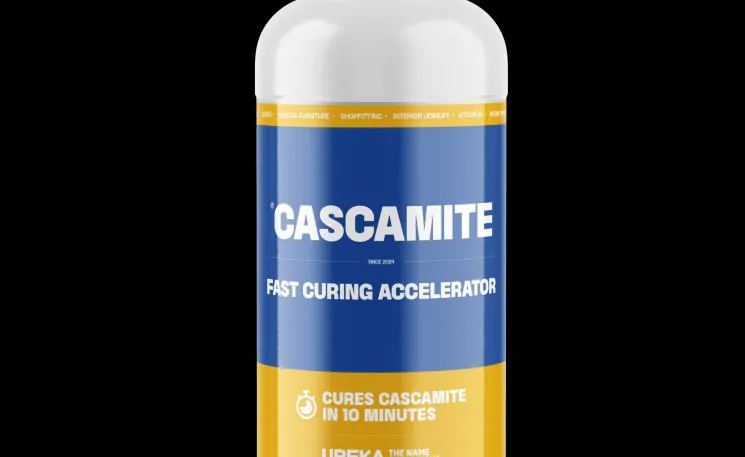
When it comes to woodworking, the quality of your materials and tools can make all the difference. One essential product that often determines the strength and durability of a project is wood adhesive. Whether you’re a professional carpenter or a DIY enthusiast, selecting the best wood glue is key to achieving reliable and long-lasting results.
What is Wood Adhesive?
Wood adhesive is a specially formulated glue designed to bond wood surfaces together. Unlike general-purpose adhesives, it penetrates the wood fibers and creates a strong, durable connection. This bond can often be stronger than the wood itself when applied correctly.
Wood adhesives are widely used in furniture making, cabinetry, flooring, and various repair projects. Choosing the best wood glue ensures that your work remains intact and withstands stress, moisture, and time.
Types of Wood Adhesive
There are several types of wood adhesive available, each suited for different applications:
- PVA Glue (Polyvinyl Acetate):
This is the most common type and is often considered the best wood glue for general woodworking. It is easy to use, dries clear, and provides a strong bond. - Polyurethane Glue:
Known for its water resistance, this type expands as it cures, filling gaps effectively. It is ideal for outdoor projects. - Epoxy Adhesive:
Epoxy is a two-part adhesive that offers exceptional strength and durability. It is perfect for heavy-duty applications and repairs. - Hide Glue:
Traditionally used in fine woodworking and instrument making, hide glue is valued for its reversibility and natural composition.
Each type of wood adhesive has unique properties, so understanding your project requirements is essential.
Key Features of the Best Wood Glue
When searching for the best wood glue, consider the following features:
- Strength: The adhesive should create a bond strong enough to handle the intended load.
- Drying Time: Faster drying times can speed up projects, but slower curing may allow for adjustments.
- Water Resistance: Important for outdoor or moisture-prone applications.
- Ease of Use: User-friendly adhesives simplify the application process.
- Durability: The glue should maintain its strength over time without cracking or weakening.
By evaluating these factors, you can choose the most suitable wood adhesive for your needs.
Applications of Wood Adhesive
Wood adhesive is used in a wide range of woodworking tasks:
- Furniture Assembly: Joining pieces securely for tables, chairs, and cabinets.
- Repairs: Fixing broken wooden items or reinforcing weak joints.
- Craft Projects: Creating decorative items and DIY projects.
- Flooring Installation: Ensuring stability and longevity of wooden floors.
Using the best wood glue ensures that these applications deliver professional-quality results.
Tips for Using Wood Adhesive Effectively
To get the most out of your wood adhesive, follow these practical tips:
- Prepare the Surface:
Ensure the wood surfaces are clean, dry, and free of dust or grease. - Apply Evenly:
Spread the glue evenly across the surface to create a uniform bond. - Use Clamps:
Clamping the pieces together helps maintain pressure and improves bonding strength. - Allow Proper Drying Time:
Avoid moving or stressing the joint until the adhesive has fully cured. - Clean Excess Glue:
Wipe away any excess before it dries to maintain a neat finish.
These steps can significantly enhance the performance of even the best wood glue.
Common Mistakes to Avoid
While working with wood adhesive, it’s important to avoid common errors:
- Using too much or too little glue
- Not clamping the pieces properly
- Ignoring drying and curing times
- Applying glue on dirty or wet surfaces
Avoiding these mistakes ensures a strong and reliable bond.
Choosing the Best Wood Glue for Your Project
Selecting the best wood glue depends on your specific needs. For indoor furniture, PVA glue is often sufficient. For outdoor or high-moisture environments, polyurethane or epoxy adhesives are better choices.
Consider the type of wood, the conditions the project will face, and the level of strength required. Matching the adhesive to the application ensures optimal performance.
Benefits of Using High-Quality Wood Adhesive
Investing in a high-quality wood adhesive offers several advantages:
- Stronger Bonds: Ensures durability and reliability
- Better Finish: Reduces visible glue lines
- Long-Term Performance: Maintains integrity over time
- Versatility: Suitable for various woodworking applications
These benefits make choosing the best wood glue an important decision for any project.
Conclusion
A reliable wood adhesive is the foundation of any successful woodworking project. By understanding the different types, features, and applications, you can confidently select the best wood glue for your needs.
Whether you’re building furniture, repairing wooden items, or working on creative projects, the right adhesive ensures strength, durability, and professional results. Taking the time to choose and use the correct wood adhesive will ultimately lead to better craftsmanship and long-lasting satisfaction.

- Share

YOU MIGHT ALSO ENJOY
How Can a French Furniture Company Add Character to Your Living Room?
Stephen Romero - September 12, 2026

What Should You Look for in a Supermarket Construction Company UK?
Stephen Romero - September 10, 2026

What Are the Benefits of Custom AV Installation London?
Stephen Romero - September 10, 2026
search
FAST ACCESS
- art&gallery (11)
- Automotive (27)
- beauty (12)
- blog (990)
- Business (1,451)
- car (1)
- cleening (27)
- clinic (1)
- Commercial Cleaning (1)
- courier services (7)
- Cybersecurity (1)
- dentel care (16)
- Driving school (13)
- electronics (1)
- events (2)
- food (3)
- forests (11)
- gameing (11)
- Health (94)
- Health & Fitness (219)
- Home & Garden (16)
- Home Improvement (1)
- Landscaping (1)
- Law (17)
- Lifestyle (18)
- machinery (5)
- Pest Control (1)
- Real Estate (20)
- Share Market (15)
- Shopping (22)
- Software Development (2)
- Technology (48)
- tool (2)
- toys (2)
- Trade Show Marketing (1)
- Travel (62)
- Wedding & Events (378)

must read
How Can a French Furniture Company Add Character to Your Living Room?
Stephen Romero - September 12, 2026
What Are the Best Romantic Experiences for Couples in Argentina?
Stephen Romero - September 12, 2026
Veterinary Telemedicine in the UAE: Benefits, Workflows, and the Future of Connected Pet Care
Stephen Romero - September 11, 2026
recent post




ADVERTISEMENT

ARCHIVES
- September 2026 (21)
- August 2026 (110)
- July 2026 (202)
- June 2026 (319)
- May 2026 (244)
- April 2026 (197)
- March 2026 (174)
- February 2026 (179)
- January 2026 (210)
- December 2025 (151)
- November 2025 (132)
- October 2025 (105)
- September 2025 (166)
- August 2025 (164)
- July 2025 (150)
- June 2025 (172)
- May 2025 (97)
- April 2025 (1)
- March 2025 (8)
- February 2025 (9)
- January 2025 (8)
- December 2024 (25)
- November 2024 (40)
- October 2024 (11)
- September 2024 (1)
- July 2024 (10)
- June 2024 (11)
- May 2024 (31)
- April 2024 (15)
- March 2024 (19)
- February 2024 (6)
- January 2024 (7)
- December 2023 (11)
- November 2023 (1)
- October 2023 (2)
- July 2023 (13)
- June 2023 (21)
- May 2023 (27)
- April 2023 (23)
- March 2023 (16)
- February 2023 (31)
- January 2023 (27)
- December 2022 (11)
- November 2022 (12)
- October 2022 (11)
- September 2022 (11)
- August 2022 (14)
- July 2022 (13)
- June 2022 (19)
- May 2022 (17)
- April 2022 (10)
- March 2022 (12)
- February 2022 (8)
- January 2022 (9)
- December 2021 (19)
- November 2021 (4)
- October 2021 (6)
- September 2021 (4)
- August 2021 (4)
- July 2021 (10)
- June 2021 (6)
- May 2021 (2)
- April 2021 (2)
- March 2021 (45)
- August 2020 (31)
- July 2020 (30)
- June 2020 (29)