
Design has always reflected the values, lifestyles, and environments of the societies that create it. Over time, various movements, philosophies, and influential designers have shaped the development of architecture, furniture, and interior design. From traditional expressions like folk art and rural craftsmanship to modern approaches such as functional art and mid-century design, these styles demonstrate how creativity evolves through culture, materials, and technology. Understanding these movements offers valuable insight into how design continues to influence the way people live and interact with their surroundings.
Folk art is one of the earliest forms of artistic and design expression. It is created by ordinary people within communities rather than by formally trained artists or designers. Folk art often includes handmade furniture, painted objects, textiles, pottery, and decorative items that represent local traditions and cultural stories. These works are typically made using materials available in the region, such as wood, clay, natural dyes, and fabrics. What makes folk art unique is its authenticity and personal character. Each object carries the identity of its maker and reflects the cultural history of the community where it was created.
Closely connected to folk traditions is vernacular design. Vernacular architecture and design develop naturally over time based on local needs, environmental conditions, and available materials. Instead of being guided by professional architectural theories, vernacular structures are built using practical knowledge passed down through generations. Houses made from mud bricks, bamboo, stone, or timber are common examples of vernacular architecture. These buildings are often perfectly adapted to their climate. For instance, thick walls provide insulation in hot climates, while sloped roofs protect against heavy rainfall or snow.
Alpine design originates from the mountainous regions of the European Alps, particularly in countries such as Switzerland, Austria, and northern Italy. Because of the harsh climate in these areas, Alpine design emphasizes durability, warmth, and comfort. Traditional Alpine homes, often known as chalets, are constructed with heavy timber beams and stone foundations. Interiors feature wooden furniture, woolen textiles, and warm lighting that create a cozy environment during long winters. Handcrafted details and natural materials contribute to the rustic charm that defines this style.
Rural design is inspired by life in the countryside and the simplicity of agricultural communities. It focuses on practical living and the use of natural materials. Rural interiors typically include wooden furniture, woven baskets, earthenware pottery, and simple fabrics like linen or cotton. The emphasis is on durability, functionality, and connection to nature rather than elaborate decoration. Rural design often reflects the rhythm of everyday life and celebrates handmade craftsmanship that has been preserved through generations.
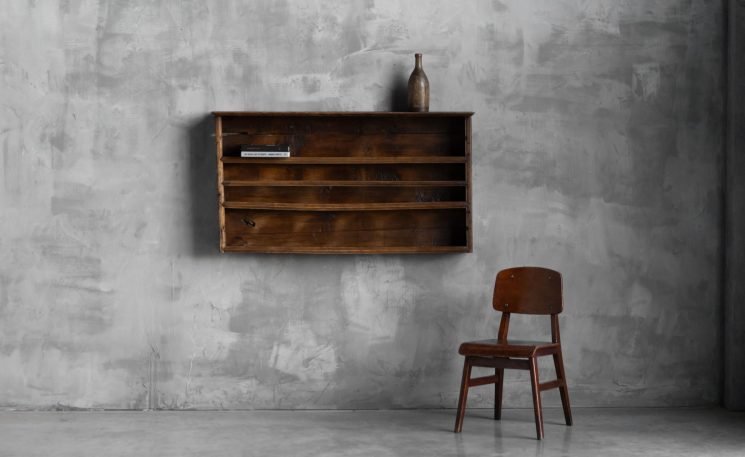
Rustic furniture is an important element of rural and countryside aesthetics. Rustic pieces are typically made from solid wood or other natural materials that maintain their raw texture and organic appearance. Unlike polished modern furniture, rustic furniture highlights knots, grains, and imperfections in the wood. This approach gives each piece a unique character and emphasizes the beauty of natural materials. Large wooden dining tables, sturdy benches, and handcrafted cabinets are typical examples. Rustic furniture continues to be popular today because it creates warm, inviting interiors that feel authentic and timeless.
An important theoretical voice in architecture is Dom Hans van der Laan, a Dutch Benedictine monk and architect known for his work on proportion and spatial harmony. Van der Laan developed the concept of the “Plastic Number,” a mathematical ratio used to establish balanced proportions in architecture. He believed that buildings should create a harmonious relationship between human perception and physical space. His architectural work, especially monasteries, reflects simplicity, order, and a deep sense of calm. Rather than focusing on decorative details, Van der Laan emphasized the importance of proportion, light, and spatial experience.
The Japanese aesthetic philosophy of Wabi Sabi offers a different perspective on beauty and design. Wabi Sabi values simplicity, imperfection, and the natural aging of materials. Instead of striving for perfection, this philosophy appreciates objects that show signs of wear, irregularity, and history. A cracked ceramic bowl or weathered wooden surface may be considered beautiful because it tells a story of time and use. Wabi Sabi interiors often include minimal furniture, natural textures, neutral colors, and handmade objects that reflect authenticity and tranquility.
The Amsterdamse School is a distinctive architectural movement that emerged in the Netherlands during the early twentieth century. This style is known for its expressive forms, elaborate brickwork, and sculptural building designs. Architects associated with the Amsterdamse School believed that architecture should be a form of artistic expression. Buildings designed in this style often feature curved facades, decorative brick patterns, stained glass, and integrated sculptures. The movement extended beyond architecture into furniture and interior design, creating a unified visual language that celebrated craftsmanship and creativity.
Art Deco became one of the most influential design styles of the early twentieth century. Emerging in the 1920s and 1930s, it represented modernity, luxury, and technological progress. Art Deco design is characterized by bold geometric shapes, symmetrical patterns, and the use of rich materials such as lacquer, chrome, glass, marble, and exotic woods. The style was inspired by industrial innovation as well as ancient cultures such as Egypt and Mesopotamia. Art Deco architecture, furniture, and decorative arts reflected the optimism and sophistication of a rapidly modernizing world.
Following the Art Deco period, Mid-Century Design introduced a more streamlined and functional approach to design. This movement developed between the 1940s and 1960s and focused on simplicity, practicality, and mass production. Designers experimented with new materials such as molded plywood, fiberglass, aluminum, and plastic. These materials allowed for innovative shapes and lightweight furniture that could be produced efficiently. Mid-century interiors often feature open layouts, organic forms, and a strong connection to nature through large windows and natural materials.
Brazilian design brought a vibrant cultural identity to modern design during the mid-twentieth century. Brazilian architects and designers combined international modernist ideas with local traditions, tropical environments, and indigenous materials. Furniture often featured rich hardwoods, woven cane, and curved shapes that reflected the relaxed lifestyle of Brazil. Brazilian design is known for its balance between modern sophistication and natural warmth, creating furniture and interiors that feel both elegant and comfortable.
Pierre Chapo was a French furniture designer recognized for his dedication to craftsmanship and structural clarity. His work often features solid wood construction with visible joints and geometric forms. Chapo believed that furniture should express honesty in both materials and construction techniques. Instead of hiding the structure of a piece, he emphasized joinery as part of the design. His furniture demonstrates how simplicity, precision, and high-quality materials can produce timeless pieces that remain relevant across generations.
Charlotte Perriand was a pioneering designer who played a major role in shaping modern furniture and interior design. She believed that design should improve everyday life and respond to social needs. Perriand collaborated with important modernist architects and helped develop furniture that combined industrial production with human comfort. Her work explored both modern materials such as steel and aluminum and natural materials like wood and bamboo. This balance allowed her designs to remain functional, elegant, and deeply connected to the human experience.
Functional art represents a creative approach where objects are designed to be both useful and artistically expressive. Unlike purely decorative artworks, functional art pieces serve everyday purposes while also showcasing the creativity of the designer or craftsman. Examples include sculptural chairs, handmade ceramic tableware, artistic lighting, and decorative storage pieces. Functional art challenges the traditional separation between art and design by showing that everyday objects can also be works of artistic expression.
Jean Prouvé was a French designer and engineer who combined architectural thinking with industrial manufacturing techniques. He believed that design should follow the logic of engineering and efficiency. Prouvé’s furniture often features metal frames, folded steel components, and modular structures that can be easily assembled and transported. His approach focused on strength, simplicity, and functionality. Prouvé’s innovative ideas have had a lasting impact on modern architecture and industrial design.
Together, these movements and designers illustrate the diverse influences that have shaped the evolution of design. From traditional rural craftsmanship to modern industrial experimentation, each style represents a different approach to solving design challenges. Some prioritize cultural heritage and handmade techniques, while others explore technological innovation and modern living.
Despite these differences, many of these movements share a common goal: to create environments and objects that enhance human life. By balancing aesthetics, function, and cultural context, designers continue to build on these traditions while exploring new possibilities. The ongoing dialogue between tradition and modernity ensures that design will remain a dynamic and meaningful part of human culture.