

How Can You Identify Hidden Water Damage in Your Home?

Water damage can affect your home even when you cannot see standing water or obvious leaks. A small plumbing leak, roof issue, or moisture buildup behind a wall can gradually damage building materials, encourage mould growth, and create costly repair problems. Many homeowners overlook these issues because the affected areas remain hidden from view.
Identifying water damage early helps you protect your property, prevent structural deterioration, and avoid expensive restoration work. By paying attention to unusual smells, stains, changes in flooring, and other warning signs, you can discover hidden moisture before it becomes a serious problem.
What Are the Common Signs of Hidden Water Damage?
Hidden water damage often starts with small changes inside your home. Walls, ceilings, floors, and cabinets may show subtle signs that something is wrong. Recognising these changes early can help you respond quickly.
Look for the following warning signs:
- Discoloured walls or ceilings: Yellow, brown, or dark patches often indicate moisture trapped behind surfaces.
- Peeling paint or wallpaper: Water weakens adhesives and causes paint to bubble, crack, or peel.
- Warped flooring: Hardwood may buckle, laminate may swell, and tiles may loosen when moisture reaches the subfloor.
- Musty odours: A persistent damp smell can indicate moisture or mould growth in hidden spaces.
- Soft drywall: Walls that feel unusually soft or crumbly may have absorbed water.
- Visible mould: Black, green, or white spots may appear around windows, baseboards, ceilings, or damp corners.
Do not ignore these signs, even if they appear in a small area. Hidden moisture can spread and damage materials beyond the visible spot.
How Can You Detect Water Leaks Behind Walls?
Water leaks behind walls can remain unnoticed for weeks or months. Plumbing pipes, bathroom fixtures, kitchen sinks, and washing machines can develop leaks that slowly release water into surrounding materials.
You may notice a sudden increase in your water bill even when your household usage remains the same. This could indicate a hidden plumbing leak. You can also listen for dripping sounds, running water when all taps are closed, or observe damp spots around plumbing fixtures.
Check walls near bathrooms, kitchens, laundry rooms, and water supply lines. If you suspect a leak, contact a professional who can use moisture meters or thermal imaging equipment to locate the source without unnecessary damage to your walls.
Can Your Floors Reveal Hidden Moisture Problems?
Your floors can provide important clues about water damage beneath the surface. Moisture often collects under flooring materials before homeowners notice visible changes.
Pay attention to floors that feel uneven, soft, or spongy when you walk across them. Wooden floors may swell or separate, while laminate flooring can develop raised edges. Carpets may feel damp or produce an unpleasant smell even after surface cleaning.
These problems can occur because water enters through leaking appliances, damaged pipes, foundation cracks, or flooding. If the moisture remains trapped beneath the flooring, it can damage the subfloor and create conditions for mould growth.
A professional inspection can help determine how far the moisture has spread and whether the flooring needs drying, repair, or replacement.
Why Should You Pay Attention to Musty Smells?
A musty smell is one of the most common indicators of hidden water damage. Damp materials create favourable conditions for mould and mildew, which can produce unpleasant odours.
You may notice the smell in basements, closets, bathrooms, storage areas, or rooms with limited ventilation. Sometimes the odour becomes stronger after closing windows or doors for several hours.
Although air fresheners and cleaning products may temporarily mask the smell, they do not solve the underlying moisture problem. You need to identify the source and remove excess moisture to prevent the smell from returning.
If the odour persists, consider scheduling a professional moisture assessment to inspect areas that you cannot easily access.
How Can Water Damage Affect Your Home’s Structure?
Water damage can weaken building materials over time. Prolonged moisture exposure may affect wooden framing, ceiling supports, insulation, drywall, and flooring. These materials can lose strength, deteriorate, or require replacement when they remain wet.
In severe cases, water damage can affect structural components and increase the risk of costly repairs. Moisture can also damage electrical systems, create unsafe conditions, and encourage mould growth.
Homeowners seeking water damage Edmonton services should take these warning signs seriously, especially during periods of heavy rainfall, snowmelt, or plumbing emergencies. A prompt inspection can help identify moisture sources and limit damage before it spreads.
What Should You Do When You Find Signs of Water Damage?
Taking the right steps can help reduce further damage while you arrange professional assistance.
- Find the source: Check for leaking pipes, appliances, roof problems, or water entering through exterior walls.
- Stop the water supply: Shut off the affected plumbing line or main water supply if a leak is active and safe to do so.
- Protect your belongings: Move furniture, electronics, rugs, and valuables away from damp areas.
- Avoid unsafe areas: Stay away from sagging ceilings, damaged electrical outlets, and water near electrical equipment.
- Document the damage: Take photos and videos for insurance records before removing damaged materials, when safe.
- Contact restoration professionals: Arrange an inspection to assess the moisture, dry affected materials, and recommend repairs.
Avoid covering wet walls or floors before they dry completely. Trapped moisture can worsen the damage and encourage mould to develop.
When Should You Call a Water Damage Restoration Professional?
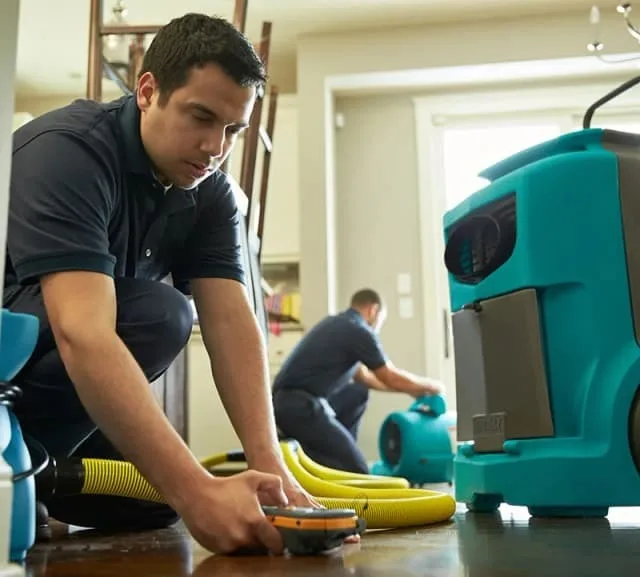
You should contact a restoration professional whenever you notice persistent moisture, unexplained stains, recurring musty smells, or signs of damage that continue to spread. Professional teams can inspect affected areas, identify hidden moisture, and use specialised drying equipment to remove water from building materials.
Homeowners looking for water damage Ottawa solutions may benefit from professional assistance after pipe leaks, basement flooding, roof damage, or appliance failures. Quick action can reduce repair costs and help protect the home’s interior and structure.
Restoration experts can also assess damaged materials, recommend safe removal when necessary, and help you determine whether mould remediation is required.
How Can You Prevent Hidden Water Damage in the Future?
Regular maintenance can help prevent hidden water damage from developing. Inspect plumbing connections, hoses, roof shingles, windows, and exterior drainage systems throughout the year. Clean gutters regularly so rainwater flows away from your property.
Keep bathrooms and kitchens well ventilated, check under sinks for leaks, and inspect appliances that use water. During winter, protect exposed pipes from freezing temperatures. After heavy rain, check your basement and foundation for signs of moisture.
The team at Ideal Response can help homeowners understand water damage warning signs and the importance of timely restoration. Taking preventive measures and addressing small problems early can keep your home safer, healthier, and better protected.
Conclusion
Hidden water damage can develop quietly, but the warning signs often appear before the problem becomes severe. Unusual odours, stains, peeling paint, warped flooring, and soft walls can indicate moisture behind surfaces.
By inspecting your home regularly, responding to leaks quickly, and seeking professional help when necessary, you can minimise damage and protect your property’s value. Ideal Response encourages homeowners to address moisture concerns early and take proactive steps to maintain a dry, safe, and comfortable living environment.

- Share

YOU MIGHT ALSO ENJOY
Quality Childcare and Summer Activities Near Willow Park Calgary
Stephen Romero - November 21, 2026

BRIGADE UPPER CREST: A Guide for Families Planning to Buy a New Home
Stephen Romero - November 21, 2026

What Makes SOBHA LIORA an Interesting Residential Choice?
Stephen Romero - November 21, 2026
search
FAST ACCESS
- art&gallery (11)
- Automotive (30)
- beauty (19)
- blog (1,177)
- Business (1,725)
- car (1)
- cleening (27)
- clinic (1)
- Commercial Cleaning (1)
- courier services (7)
- Cybersecurity (1)
- dentel care (24)
- Driving school (15)
- electronics (1)
- events (3)
- food (4)
- forests (11)
- gameing (11)
- Health (136)
- Health & Fitness (234)
- Home & Garden (16)
- Home Improvement (3)
- Landscaping (1)
- Law (17)
- Lifestyle (18)
- machinery (5)
- Pest Control (1)
- Real Estate (20)
- Share Market (15)
- Shopping (22)
- Software Development (2)
- Technology (52)
- tool (3)
- toys (2)
- Trade Show Marketing (1)
- Travel (64)
- Wedding & Events (386)

must read
BRIGADE UPPER CREST: A Guide for Families Planning to Buy a New Home
Stephen Romero - November 21, 2026
recent post
ADVERTISEMENT

ARCHIVES
- November 2026 (352)
- October 2026 (170)
- September 2026 (55)
- August 2026 (110)
- July 2026 (202)
- June 2026 (319)
- May 2026 (244)
- April 2026 (197)
- March 2026 (174)
- February 2026 (179)
- January 2026 (210)
- December 2025 (151)
- November 2025 (132)
- October 2025 (105)
- September 2025 (166)
- August 2025 (164)
- July 2025 (150)
- June 2025 (172)
- May 2025 (97)
- April 2025 (1)
- March 2025 (8)
- February 2025 (9)
- January 2025 (8)
- December 2024 (25)
- November 2024 (40)
- October 2024 (11)
- September 2024 (1)
- July 2024 (10)
- June 2024 (11)
- May 2024 (31)
- April 2024 (15)
- March 2024 (19)
- February 2024 (6)
- January 2024 (7)
- December 2023 (11)
- November 2023 (1)
- October 2023 (2)
- July 2023 (13)
- June 2023 (21)
- May 2023 (27)
- April 2023 (23)
- March 2023 (16)
- February 2023 (31)
- January 2023 (27)
- December 2022 (11)
- November 2022 (12)
- October 2022 (11)
- September 2022 (11)
- August 2022 (14)
- July 2022 (13)
- June 2022 (19)
- May 2022 (17)
- April 2022 (10)
- March 2022 (12)
- February 2022 (8)
- January 2022 (9)
- December 2021 (19)
- November 2021 (4)
- October 2021 (6)
- September 2021 (4)
- August 2021 (4)
- July 2021 (10)
- June 2021 (6)
- May 2021 (2)
- April 2021 (2)
- March 2021 (45)
- August 2020 (31)
- July 2020 (30)
- June 2020 (29)