

Indoor Air Quality Test for Mold: Why It Matters for a Healthy Home

Indoor air quality plays an important role in maintaining a healthy and comfortable living environment. However, mold growth inside homes, offices, and commercial buildings can negatively affect air quality and create potential health concerns. Mold often develops in damp areas, behind walls, under flooring, and around leaking pipes, making it difficult to detect through visual inspection alone. This is where an Indoor Air Quality Test for Mold becomes valuable.
Understanding how mold affects indoor environments, recognizing the warning signs, and knowing when to seek professional testing can help property owners maintain cleaner and healthier indoor spaces.
What Is an Indoor Air Quality Test for Mold?
An Indoor Air Quality Test for Mold is a process used to evaluate the presence of airborne mold spores and identify potential mold-related concerns inside a building. Mold reproduces by releasing microscopic spores into the air, which can circulate throughout indoor spaces.
Professional testing may involve collecting air samples, taking surface samples, and examining areas where moisture or mold growth is suspected. Depending on the property’s condition, specialists may also assess humidity levels, ventilation, and potential sources of water intrusion.
The results can help determine whether mold spores are present at concerning levels and whether additional inspection or remediation may be necessary. However, testing methods and results should always be interpreted in context, as some mold spores are naturally present in both indoor and outdoor environments.
Common Signs That You May Need Mold Testing
Mold is not always visible, especially when it grows inside wall cavities, beneath carpets, or around hidden plumbing systems. Recognizing early warning signs can help you decide when professional testing may be appropriate.
Some common indicators include:
- Persistent musty odors: A damp, earthy smell may indicate hidden mold growth.
- Visible mold spots: Black, green, white, or brown patches may appear on walls, ceilings, furniture, or other surfaces.
- Water damage: Previous flooding, roof leaks, plumbing problems, or damp building materials can create favorable conditions for mold.
- Recurring moisture problems: Condensation on windows, damp basements, and excessive indoor humidity may encourage mold growth.
- Unexplained indoor discomfort: Mold exposure can contribute to allergic reactions, sneezing, coughing, eye irritation, or worsening asthma symptoms in sensitive individuals.
If these signs appear repeatedly, an Indoor Air Quality Test for Mold may help identify potential problems and guide the next steps.
Understanding Indoor Air Quality Mold Testing
Indoor Air Quality Mold Testing involves evaluating the indoor environment to identify possible mold contamination and investigate conditions that support mold growth. The testing approach depends on the property’s size, history, moisture conditions, and the concerns reported by occupants.
1. Air Sampling
Air sampling measures airborne mold spores collected from selected indoor locations. Samples may also be collected outdoors for comparison. This information can help specialists evaluate whether indoor air contains unusual mold levels or patterns.
2. Surface Sampling
Surface samples may be taken from suspected mold growth on walls, ceilings, furniture, or other materials. Laboratory analysis can help identify the types of mold present on the sampled surfaces.
3. Moisture Inspection
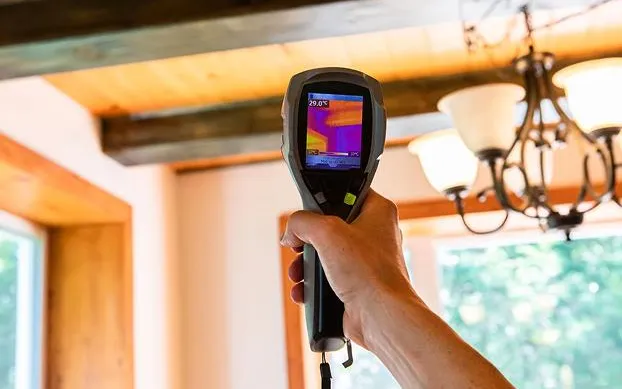
Because mold requires moisture to grow, identifying the source of dampness is essential. Professionals may use moisture meters, thermal imaging equipment, or visual inspection to investigate leaks, condensation, and water-damaged materials.
4. Laboratory Analysis and Reporting
Collected samples may be sent to a qualified laboratory for analysis. Depending on the testing method, the report may include information about mold types, spore concentrations, and differences between indoor and outdoor samples. These findings help guide further investigation when necessary.
It is important to remember that no single test can establish that a building is completely mold-free or guarantee that its air is safe for every occupant.
Benefits of Professional Indoor Air Quality Mold Testing
Professional Indoor Air Quality Mold Testing offers several benefits for homeowners, landlords, property managers, and business owners.
Identifies potential hidden issues: Testing combined with a thorough inspection can help investigate suspected mold contamination in areas that are difficult to access.
Supports healthier indoor environments: Identifying moisture problems and potential mold sources helps property owners take appropriate corrective action.
Helps guide remediation: Testing findings may assist professionals in deciding whether additional inspection, moisture control, or mold removal is needed.
Provides useful documentation: Testing reports can support property maintenance decisions, building assessments, and discussions with qualified remediation professionals.
Professional testing is especially useful when mold is suspected but cannot be located, when odors persist after cleaning, or when moisture problems continue to return.
How to Prevent Mold Growth Indoors
Preventing mold starts with controlling moisture. Even after testing or mold removal, unresolved dampness can allow the problem to return.
Follow these practical steps to reduce the risk of mold growth:
- Repair leaking roofs, pipes, windows, and plumbing fixtures promptly.
- Keep indoor humidity ideally between 30% and 50% when practical.
- Use exhaust fans in bathrooms, kitchens, and other moisture-producing areas.
- Ensure proper ventilation and address condensation around windows.
- Dry water-damaged materials quickly, ideally within 24–48 hours.
- Clean and maintain air-conditioning systems and filters according to manufacturer recommendations.
If mold covers a large area, repeatedly returns, or results from extensive water damage, consult a qualified remediation professional rather than attempting extensive cleanup yourself.
When Should You Schedule Mold Testing?
Consider scheduling an Indoor Air Quality Test for Mold after water damage, during investigations of persistent musty odors, or when visible mold appears alongside ongoing moisture problems. Testing may also be useful before or after certain remediation projects when the circumstances justify it.
If occupants experience ongoing respiratory symptoms, they should consult a healthcare professional. Testing the indoor environment can help investigate possible environmental concerns, but it cannot diagnose a medical condition.
Conclusion
Maintaining good indoor air quality is essential for creating a comfortable and healthy indoor environment. Mold can develop in hidden spaces and spread microscopic spores through the air, making early investigation important when moisture problems or suspicious odors occur.
An Indoor Air Quality Test for Mold, combined with a careful building inspection and moisture assessment, can help identify potential concerns and guide effective solutions. Professional Indoor Air Quality Mold Testing provides useful information for making informed decisions about mold prevention, remediation, and long-term property maintenance.
By addressing moisture promptly, improving ventilation, and seeking professional assistance when necessary, property owners can reduce the risk of mold growth and support better indoor air quality for everyone who uses the space.

- Share

YOU MIGHT ALSO ENJOY

Varicose Veins Treatment in Bilaspur Chhattisgarh: A Complete Guide to Healthy Legs
Stephen Romero - October 28, 2026

Discover Your Dream Property: Waterfront Homes for Sale Laurentians and Tremblant Houses for Sale
Stephen Romero - October 27, 2026

A Complete Guide to Greenhouse Glass Construction and Greenhouse Conservatory Design
Stephen Romero - October 27, 2026
search
FAST ACCESS
- art&gallery (11)
- Automotive (28)
- beauty (15)
- blog (1,004)
- Business (1,569)
- car (1)
- cleening (27)
- clinic (1)
- Commercial Cleaning (1)
- courier services (7)
- Cybersecurity (1)
- dentel care (22)
- Driving school (15)
- electronics (1)
- events (3)
- food (4)
- forests (11)
- gameing (11)
- Health (123)
- Health & Fitness (224)
- Home & Garden (16)
- Home Improvement (3)
- Landscaping (1)
- Law (17)
- Lifestyle (18)
- machinery (5)
- Pest Control (1)
- Real Estate (20)
- Share Market (15)
- Shopping (22)
- Software Development (2)
- Technology (52)
- tool (3)
- toys (2)
- Trade Show Marketing (1)
- Travel (64)
- Wedding & Events (379)

must read
Varicose Veins Treatment in Bilaspur Chhattisgarh: A Complete Guide to Healthy Legs
Stephen Romero - October 28, 2026
Indoor Air Quality Test for Mold: Why It Matters for a Healthy Home
Stephen Romero - October 28, 2026
Build a Strong Digital Brand with Professional SEO and Marketing Services in Connecticut
Stephen Romero - October 27, 2026
Discover Your Dream Property: Waterfront Homes for Sale Laurentians and Tremblant Houses for Sale
Stephen Romero - October 27, 2026
Personalizowane Gadżety Reklamowe – Skuteczny Sposób na Budowanie Rozpoznawalności Marki
Stephen Romero - October 27, 2026
recent post


ADVERTISEMENT

ARCHIVES
- October 2026 (155)
- September 2026 (55)
- August 2026 (110)
- July 2026 (202)
- June 2026 (319)
- May 2026 (244)
- April 2026 (197)
- March 2026 (174)
- February 2026 (179)
- January 2026 (210)
- December 2025 (151)
- November 2025 (132)
- October 2025 (105)
- September 2025 (166)
- August 2025 (164)
- July 2025 (150)
- June 2025 (172)
- May 2025 (97)
- April 2025 (1)
- March 2025 (8)
- February 2025 (9)
- January 2025 (8)
- December 2024 (25)
- November 2024 (40)
- October 2024 (11)
- September 2024 (1)
- July 2024 (10)
- June 2024 (11)
- May 2024 (31)
- April 2024 (15)
- March 2024 (19)
- February 2024 (6)
- January 2024 (7)
- December 2023 (11)
- November 2023 (1)
- October 2023 (2)
- July 2023 (13)
- June 2023 (21)
- May 2023 (27)
- April 2023 (23)
- March 2023 (16)
- February 2023 (31)
- January 2023 (27)
- December 2022 (11)
- November 2022 (12)
- October 2022 (11)
- September 2022 (11)
- August 2022 (14)
- July 2022 (13)
- June 2022 (19)
- May 2022 (17)
- April 2022 (10)
- March 2022 (12)
- February 2022 (8)
- January 2022 (9)
- December 2021 (19)
- November 2021 (4)
- October 2021 (6)
- September 2021 (4)
- August 2021 (4)
- July 2021 (10)
- June 2021 (6)
- May 2021 (2)
- April 2021 (2)
- March 2021 (45)
- August 2020 (31)
- July 2020 (30)
- June 2020 (29)