

Indoor Air Quality Test for Mold: Why It Matters for a Healthy Home

Indoor air quality plays an essential role in maintaining a healthy and comfortable living environment. However, mold growth inside homes, offices, and commercial buildings can negatively affect air quality and create potential health concerns. Mold often develops in damp areas, around leaking pipes, beneath carpets, and in spaces with poor ventilation. Because mold spores can spread through the air, identifying their presence is an important step toward maintaining a cleaner indoor environment.
An Indoor Air Quality Test for Mold helps identify potential mold-related concerns and provides useful information about the condition of the air inside your property. Understanding when testing is necessary, how it works, and what to do after receiving the results can help you make informed decisions about your indoor environment.
What Is an Indoor Air Quality Test for Mold?
An Indoor Air Quality Test for Mold is an assessment designed to investigate whether mold spores are present in indoor air and evaluate potential mold contamination. Depending on the situation, testing may involve collecting air samples, taking surface samples, or examining areas where moisture damage is suspected.
Mold spores naturally exist in both indoor and outdoor environments. Therefore, detecting spores does not automatically mean a building has a mold problem. The type and amount of mold detected, the presence of moisture, and the comparison between indoor and outdoor samples can help professionals evaluate the situation.
Professional testing can be particularly useful when there is a persistent musty odor, a history of water damage, visible mold growth, or unexplained concerns about indoor air quality.
Why Is Indoor Air Quality Mold Testing Important?
Mold can grow quickly when moisture and suitable surfaces are available. Without proper attention, a small moisture problem may develop into a larger issue that affects building materials and indoor comfort.
Here are several reasons why Indoor Air Quality Mold Testing may be beneficial.
1. Identifying Hidden Mold Problems
Not all mold growth is visible. Mold can develop behind drywall, beneath flooring, inside HVAC systems, and in other difficult-to-access areas. Professional testing, combined with a moisture inspection, may help identify potential contamination even when visible signs are limited.
2. Supporting Better Indoor Air Quality
Indoor air contains various particles, including dust, pollen, and mold spores. Testing can provide information about airborne mold and help determine whether further investigation or corrective action may be appropriate.
3. Investigating Musty Odors
A persistent earthy or musty smell can indicate excess moisture or hidden mold growth. Although odors alone cannot confirm mold contamination, air sampling and a thorough property inspection can help professionals investigate the possible source.
4. Helping Protect Occupants
Mold exposure can cause allergic reactions and respiratory symptoms in some people, particularly those with asthma or mold allergies. Testing does not diagnose health conditions, but identifying and addressing moisture and mold problems can help reduce potential exposure.
Common Signs That You May Need Mold Testing
Recognizing warning signs early can help prevent moisture-related problems from becoming more extensive.
Consider professional evaluation if you notice:
- Persistent musty or damp odors in rooms or storage areas.
- Visible mold spots on walls, ceilings, windows, or furniture.
- Water stains, peeling paint, or bubbling wallpaper.
- Previous flooding, plumbing leaks, or roof damage.
- Condensation on windows or consistently high indoor humidity.
- Recurring mold growth despite regular cleaning.
If occupants experience ongoing respiratory irritation, allergies, or other symptoms, consider discussing them with a healthcare professional while investigating possible environmental contributors.
How Does Indoor Air Quality Mold Testing Work?
The testing process generally involves several steps to assess the property and collect relevant information.
Step 1: Initial Inspection
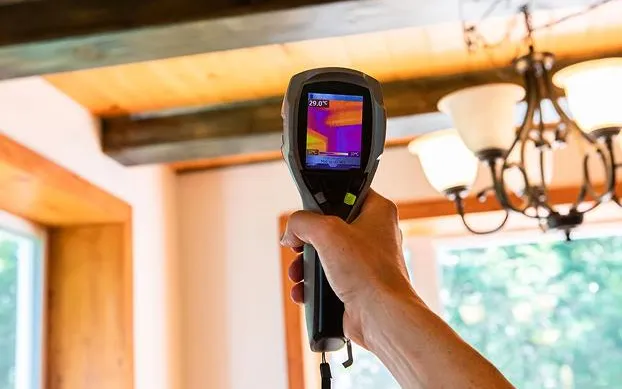
A qualified professional examines the property for visible mold, moisture intrusion, water damage, and ventilation problems. Moisture meters or thermal imaging equipment may be used when appropriate.
Step 2: Sample Collection
Depending on the inspection findings, the professional may collect indoor air samples, outdoor comparison samples, or surface samples from suspected areas. The appropriate method depends on the building conditions and the purpose of the assessment.
Step 3: Laboratory Analysis
Samples may be sent to a qualified laboratory for analysis. Results can identify certain mold types and, where applicable, estimate airborne spore concentrations.
Step 4: Results and Recommendations
The findings are interpreted alongside the property’s moisture history, visible conditions, and ventilation. A professional may recommend repairing leaks, improving ventilation, removing contaminated materials, or arranging further inspection.
It is important to understand that there is no single universal indoor mold concentration that determines whether every building is safe or unsafe. Results require context and professional interpretation.
What Factors Can Affect Indoor Mold Growth?
Several environmental conditions can encourage mold development. Excess moisture is the most important factor, but other conditions can also contribute.
- High humidity: Persistent indoor humidity encourages moisture accumulation.
- Poor ventilation: Limited airflow can allow dampness to remain trapped.
- Water leaks: Damaged plumbing, roofs, and windows can introduce moisture.
- Condensation: Cold surfaces may collect moisture from indoor air.
- Damp building materials: Wet drywall, wood, carpets, and insulation can support mold growth.
Controlling these factors is essential for reducing the likelihood of recurring mold problems.
What Should You Do After Receiving Mold Test Results?
Once testing is complete, focus on addressing the underlying cause rather than relying exclusively on the laboratory report.
Start by repairing water leaks and resolving other moisture sources. Improve ventilation in kitchens, bathrooms, and laundry areas, and consider using a dehumidifier when indoor humidity remains high. Wet materials should be dried promptly, while extensively damaged or contaminated materials may require professional remediation.
Avoid disturbing large areas of suspected mold, as this can release additional spores into the air. For extensive growth, recurring contamination, or significant water damage, consult a qualified mold remediation professional.
After remediation, a follow-up inspection or testing may be appropriate when recommended by the professional handling the project.
Conclusion
Maintaining healthy indoor air requires more than regular cleaning. Moisture control, proper ventilation, and early investigation of potential mold problems are equally important.
An Indoor Air Quality Test for Mold can provide valuable information when musty odors, water damage, or suspected hidden contamination raise concerns. Similarly, Indoor Air Quality Mold Testing can help property owners understand possible airborne mold issues and determine appropriate next steps.
By identifying moisture sources, interpreting test results carefully, and addressing mold problems promptly, homeowners and business owners can take practical steps toward creating a cleaner, more comfortable indoor environment.

- Share

YOU MIGHT ALSO ENJOY
Cosmetic Gynaecologist in Bilaspur: Your Guide to Women’s Intimate Health and Wellness
Stephen Romero - October 22, 2026

Best Vascular Surgeon in Bilaspur Chhattisgarh: Expert Care for Vascular and AV Fistula Problems
Stephen Romero - October 22, 2026

Green Wall Design: Transform Your Space with a Beautiful Vertical Green Wall
Stephen Romero - October 22, 2026
search
FAST ACCESS
- art&gallery (11)
- Automotive (28)
- beauty (15)
- blog (992)
- Business (1,535)
- car (1)
- cleening (27)
- clinic (1)
- Commercial Cleaning (1)
- courier services (7)
- Cybersecurity (1)
- dentel care (21)
- Driving school (15)
- electronics (1)
- events (3)
- food (4)
- forests (11)
- gameing (11)
- Health (118)
- Health & Fitness (222)
- Home & Garden (16)
- Home Improvement (3)
- Landscaping (1)
- Law (17)
- Lifestyle (18)
- machinery (5)
- Pest Control (1)
- Real Estate (20)
- Share Market (15)
- Shopping (22)
- Software Development (2)
- Technology (52)
- tool (3)
- toys (2)
- Trade Show Marketing (1)
- Travel (64)
- Wedding & Events (378)

must read
Cosmetic Gynaecologist in Bilaspur: Your Guide to Women’s Intimate Health and Wellness
Stephen Romero - October 22, 2026
Best Vascular Surgeon in Bilaspur Chhattisgarh: Expert Care for Vascular and AV Fistula Problems
Stephen Romero - October 22, 2026
Indoor Air Quality Test for Mold: Why It Matters for a Healthy Home
Stephen Romero - October 22, 2026
Green Wall Design: Transform Your Space with a Beautiful Vertical Green Wall
Stephen Romero - October 22, 2026
Why Is Choosing a Reliable Aluminium Supplier in Singapore Important?
Stephen Romero - October 22, 2026
recent post
ADVERTISEMENT

ARCHIVES
- October 2026 (101)
- September 2026 (55)
- August 2026 (110)
- July 2026 (202)
- June 2026 (319)
- May 2026 (244)
- April 2026 (197)
- March 2026 (174)
- February 2026 (179)
- January 2026 (210)
- December 2025 (151)
- November 2025 (132)
- October 2025 (105)
- September 2025 (166)
- August 2025 (164)
- July 2025 (150)
- June 2025 (172)
- May 2025 (97)
- April 2025 (1)
- March 2025 (8)
- February 2025 (9)
- January 2025 (8)
- December 2024 (25)
- November 2024 (40)
- October 2024 (11)
- September 2024 (1)
- July 2024 (10)
- June 2024 (11)
- May 2024 (31)
- April 2024 (15)
- March 2024 (19)
- February 2024 (6)
- January 2024 (7)
- December 2023 (11)
- November 2023 (1)
- October 2023 (2)
- July 2023 (13)
- June 2023 (21)
- May 2023 (27)
- April 2023 (23)
- March 2023 (16)
- February 2023 (31)
- January 2023 (27)
- December 2022 (11)
- November 2022 (12)
- October 2022 (11)
- September 2022 (11)
- August 2022 (14)
- July 2022 (13)
- June 2022 (19)
- May 2022 (17)
- April 2022 (10)
- March 2022 (12)
- February 2022 (8)
- January 2022 (9)
- December 2021 (19)
- November 2021 (4)
- October 2021 (6)
- September 2021 (4)
- August 2021 (4)
- July 2021 (10)
- June 2021 (6)
- May 2021 (2)
- April 2021 (2)
- March 2021 (45)
- August 2020 (31)
- July 2020 (30)
- June 2020 (29)