

Medical Gas Hoses, Installation Kits, and Essential Equipment for Healthcare Facilities

Medical gas systems play a vital role in hospitals, surgical centres, laboratories, and other healthcare facilities. These systems deliver essential gases that support patient care, medical procedures, and specialized applications. Maintaining their safety and reliability requires high-quality components, professional installation, and regular inspection. From specialized hoses to installation tools and storage equipment, every component must meet the appropriate industry requirements. Choosing reliable products from medicalgassupplier can help healthcare professionals and facility managers find suitable solutions for their medical gas infrastructure while supporting safe and efficient operations.
Understanding the Importance of Medical Gas Hoses
Medical gas distribution systems depend on carefully selected components to maintain reliable connections and consistent gas delivery. medical hoses are important parts of these systems, providing flexible connections for specific medical gas applications. They must be compatible with the intended gas, operating pressure, equipment connections, and applicable safety requirements.
Selecting appropriate hoses helps reduce the risk of leaks, contamination, and connection failures. Healthcare facilities should always consider product specifications, material compatibility, manufacturer recommendations, and relevant standards before purchasing or installing medical gas equipment.
Choosing Reliable WAGD HOSES for Healthcare Environments
Waste Anesthetic Gas Disposal (WAGD) systems help remove excess anesthetic gases from operating rooms and other clinical environments. High-quality WAGD HOSES are essential components of these specialized systems because they provide connections for transporting waste anesthetic gases safely.
When selecting these hoses, healthcare facilities should consider their intended application, compatibility, connection requirements, and manufacturer specifications. Proper installation and regular inspection are equally important for maintaining system performance. Hospitals should work with qualified professionals who understand WAGD system requirements and applicable healthcare engineering standards. Reliable components contribute to effective waste gas management and help support safer clinical environments.
The Role of MEDICAL AIR HOSES in Patient Care
Medical air is widely used in healthcare environments for respiratory support, medical equipment, and various clinical applications. Reliable MEDICAL AIR HOSES help establish connections between compatible medical air outlets and equipment.
These hoses must be designed for their intended medical application and meet relevant performance and safety requirements. Healthcare facilities should verify pressure ratings, material specifications, connector compatibility, and product certifications before making purchasing decisions.
Regular maintenance and visual inspections can also help identify wear, damage, or potential connection problems. Selecting suitable products ensures that medical air systems remain dependable and support the requirements of healthcare professionals.
Understanding ASSE 6010 Requirements
The asse 6010 designation is associated with professional qualifications for medical gas systems, particularly installation and maintenance work. It is important for healthcare facilities to understand the role of qualified personnel when developing or upgrading medical gas infrastructure.
Professionals working with these systems require appropriate training and knowledge of relevant codes, installation practices, testing procedures, and safety requirements. Proper qualifications help ensure that medical gas pipelines and associated components are installed according to applicable standards.
Healthcare administrators should verify professional credentials and applicable licensing requirements before selecting contractors for medical gas installation projects.
Why Medical Gas Certifications Matter
Product quality and professional qualifications are important considerations in healthcare infrastructure. medical gas certifications help demonstrate that products or professionals meet particular standards, testing requirements, or competency criteria.
Before purchasing medical gas components, buyers should review manufacturer documentation, product listings, applicable certifications, and technical specifications. It is equally important to distinguish between product certification and individual professional credentials because they serve different purposes.
Working with appropriately qualified professionals and selecting verified equipment helps healthcare facilities maintain reliable systems. Documentation should also be maintained for inspections, installations, repairs, and future compliance reviews.
Hiring a Qualified Medical Gas Installer
A professional medical gas installer plays an important role in establishing safe and functional medical gas infrastructure. Installation involves more than connecting pipes and equipment. It requires technical knowledge, proper planning, pressure testing, verification, and an understanding of applicable healthcare standards.
Qualified installers evaluate system requirements, select compatible materials, and follow approved installation procedures. Their work can help prevent connection problems, leakage, and operational interruptions.
Hospitals, laboratories, and surgical facilities should prioritize experience, training, relevant qualifications, and knowledge of current regulations when selecting installation professionals.
Essential Tools in a Medical Gas Installers Kit
A professional medical gas installers kit contains tools and equipment required for specific installation, testing, and maintenance activities. Having appropriate tools available helps technicians complete their work efficiently while following established procedures.
Depending on the application, installation equipment may include measuring instruments, specialized fittings, connection tools, testing accessories, and other approved components. Every tool should be suitable for the intended system and maintained according to manufacturer recommendations.
Using the correct equipment also helps reduce installation errors and supports consistent workmanship. Professionals should always follow applicable safety procedures and technical documentation when working with medical gas systems.
Selecting the Right ASSE 6010 Install Kit
An ASSE 6010 Install Kit can be a useful resource for professionals involved in medical gas installation and related training activities. Selecting an appropriate kit requires understanding its intended purpose, included components, and compatibility with the required procedures.
Installers should review product descriptions and manufacturer instructions before purchasing equipment. It is also important to remember that owning an installation kit does not replace professional training, certification, or required qualifications.
The right tools, combined with technical knowledge and appropriate procedures, contribute to more organized installation work and dependable medical gas infrastructure.
Safe Handling of Liquid Nitrogen Storage Containers
Healthcare facilities and laboratories frequently use specialized cryogenic equipment for research, sample preservation, and other applications. liquid nitrogen storage containers are designed to hold liquid nitrogen at extremely low temperatures while supporting appropriate storage and handling requirements.
Choosing suitable containers involves considering storage capacity, insulation performance, intended application, and manufacturer specifications. Proper ventilation, protective equipment, staff training, and safe handling procedures are essential when working with liquid nitrogen.
Facilities should also establish inspection and maintenance routines to identify potential damage or performance issues. Following established cryogenic safety guidelines helps protect employees, stored materials, and surrounding environments.
Building Reliable Medical Gas Infrastructure
Reliable medical gas infrastructure depends on quality components, professional expertise, proper installation, and ongoing maintenance. From specialized hoses and installation tools to cryogenic storage equipment, every product should be selected according to its intended application and relevant technical requirements.
Healthcare facilities should prioritize verified products, qualified professionals, accurate documentation, and regular system inspections. These practices support operational reliability while helping maintain appropriate safety standards.
With a range of specialized healthcare equipment and medical gas supplies, medicalgassupplier helps customers explore products suited to their facility requirements. Making informed purchasing decisions and working with qualified professionals can contribute to dependable medical gas systems and safer healthcare environments.

- Share

YOU MIGHT ALSO ENJOY
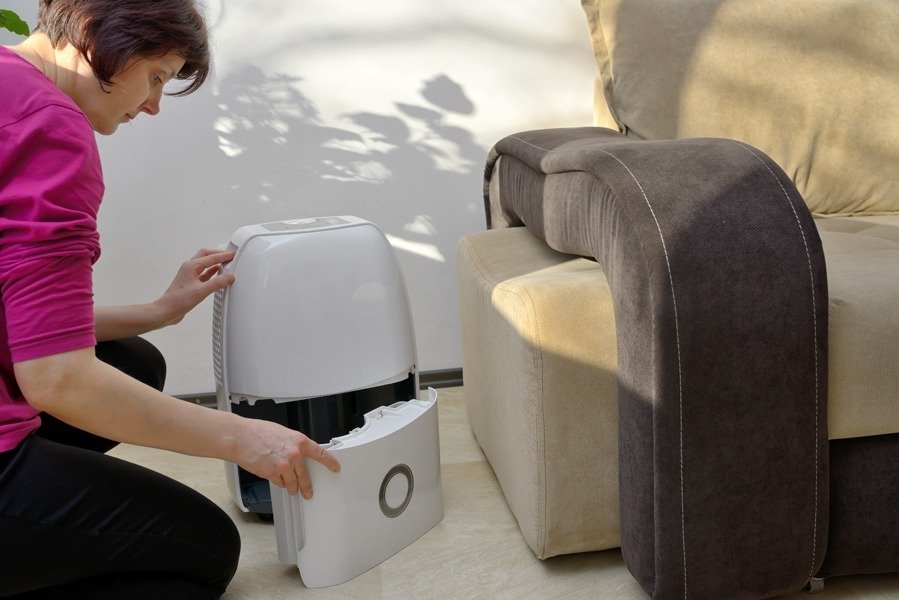
Choosing the Right Commercial Dehumidifier for Better Indoor Air Quality and Moisture Control
Stephen Romero - October 31, 2026

Build a Strong Digital Brand with Professional SEO and Marketing Services in Connecticut
Stephen Romero - October 27, 2026
Personalizowane Gadżety Reklamowe – Skuteczny Sposób na Budowanie Rozpoznawalności Marki
Stephen Romero - October 27, 2026
search
FAST ACCESS
- art&gallery (11)
- Automotive (28)
- beauty (15)
- blog (1,006)
- Business (1,580)
- car (1)
- cleening (27)
- clinic (1)
- Commercial Cleaning (1)
- courier services (7)
- Cybersecurity (1)
- dentel care (23)
- Driving school (15)
- electronics (1)
- events (3)
- food (4)
- forests (11)
- gameing (11)
- Health (123)
- Health & Fitness (225)
- Home & Garden (16)
- Home Improvement (3)
- Landscaping (1)
- Law (17)
- Lifestyle (18)
- machinery (5)
- Pest Control (1)
- Real Estate (20)
- Share Market (15)
- Shopping (22)
- Software Development (2)
- Technology (52)
- tool (3)
- toys (2)
- Trade Show Marketing (1)
- Travel (64)
- Wedding & Events (379)

must read
Flatbed Lévis Ontario et remorques fardiers Ontario : des solutions fiables pour le transport de charges lourdes
Stephen Romero - October 31, 2026
Choosing the Right Commercial Dehumidifier for Better Indoor Air Quality and Moisture Control
Stephen Romero - October 31, 2026
Medical Gas Hoses, Installation Kits, and Essential Equipment for Healthcare Facilities
Stephen Romero - October 31, 2026
How Can You Find an Affordable Aluminium Supplier Singapore Without Compromising Quality?
Stephen Romero - October 30, 2026
recent post

ADVERTISEMENT

ARCHIVES
- October 2026 (170)
- September 2026 (55)
- August 2026 (110)
- July 2026 (202)
- June 2026 (319)
- May 2026 (244)
- April 2026 (197)
- March 2026 (174)
- February 2026 (179)
- January 2026 (210)
- December 2025 (151)
- November 2025 (132)
- October 2025 (105)
- September 2025 (166)
- August 2025 (164)
- July 2025 (150)
- June 2025 (172)
- May 2025 (97)
- April 2025 (1)
- March 2025 (8)
- February 2025 (9)
- January 2025 (8)
- December 2024 (25)
- November 2024 (40)
- October 2024 (11)
- September 2024 (1)
- July 2024 (10)
- June 2024 (11)
- May 2024 (31)
- April 2024 (15)
- March 2024 (19)
- February 2024 (6)
- January 2024 (7)
- December 2023 (11)
- November 2023 (1)
- October 2023 (2)
- July 2023 (13)
- June 2023 (21)
- May 2023 (27)
- April 2023 (23)
- March 2023 (16)
- February 2023 (31)
- January 2023 (27)
- December 2022 (11)
- November 2022 (12)
- October 2022 (11)
- September 2022 (11)
- August 2022 (14)
- July 2022 (13)
- June 2022 (19)
- May 2022 (17)
- April 2022 (10)
- March 2022 (12)
- February 2022 (8)
- January 2022 (9)
- December 2021 (19)
- November 2021 (4)
- October 2021 (6)
- September 2021 (4)
- August 2021 (4)
- July 2021 (10)
- June 2021 (6)
- May 2021 (2)
- April 2021 (2)
- March 2021 (45)
- August 2020 (31)
- July 2020 (30)
- June 2020 (29)