

Understanding Crane Truck Hire for Lifting and Transport Projects in Brisbane

Moving heavy materials, machinery, and construction supplies requires careful planning and suitable transport equipment. Many projects involve more than simply carrying items from one location to another. Materials may also need to be lifted, unloaded, or positioned in areas that are difficult to access with a standard delivery vehicle. A Truck with crane offers a practical combination of transportation and lifting capabilities for a variety of commercial, industrial, and construction applications.
What Is a Truck with a Crane?
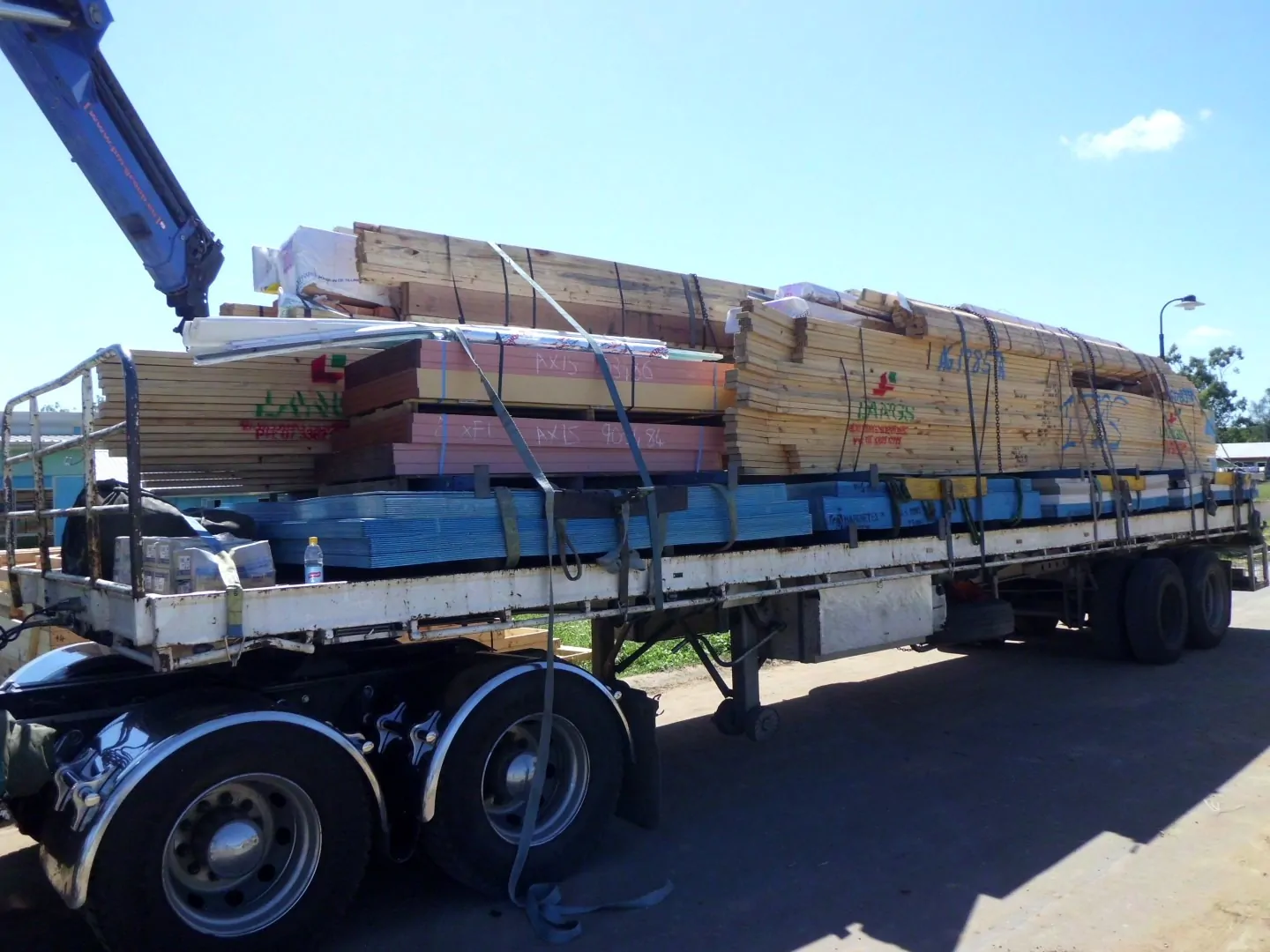
A truck with a crane is a transport vehicle fitted with a lifting mechanism that allows materials to be moved between locations and handled at the delivery site. The mounted crane can assist with loading and unloading items, depending on the vehicle’s specifications and the requirements of the job.
These vehicles are used for transporting building materials, machinery, structural components, and other heavy or bulky loads. Combining lifting and transport functions can simplify certain operations by reducing the need to coordinate separate vehicles and lifting equipment.
The suitability of a particular truck depends on its load capacity, crane reach, lifting configuration, and the conditions at the worksite. Understanding these factors is essential before arranging a vehicle.
Common Applications of Crane Trucks
Crane trucks support several industries because they can handle different types of materials and equipment. Construction projects may require them for transporting steel sections, roofing materials, concrete products, and structural components. Infrastructure operations can involve moving equipment and supplies to locations where conventional unloading methods are not practical.
Industrial businesses may use crane trucks to transport machinery, generators, and large equipment. Landscaping and property improvement projects can also involve heavy outdoor materials that require mechanical lifting. In each situation, the load and destination should be assessed to determine whether the available vehicle is appropriate.
Understanding Crane Truck Hire in Brisbane
Construction, infrastructure, commercial, and property projects across Brisbane can involve complex delivery requirements. Different locations may have different access conditions, unloading areas, and scheduling restrictions. Selecting an appropriate vehicle requires an understanding of both the transport distance and the work that needs to be completed at the destination.
Arranging Crane Truck Hire Brisbane services involves considering the type of load, its dimensions, its total weight, and the lifting position required. Site access should also be reviewed, including road width, overhead clearance, ground conditions, and available space for the vehicle to operate.
Providing accurate information before a booking helps the transport provider assess the task and identify suitable equipment. It also allows potential restrictions to be discussed before the vehicle arrives.
Selecting the Right Crane Capacity
Crane capacity is a major consideration when planning a lifting operation. Every crane has defined operating limits, and its maximum rated capacity may change depending on how far the load must be lifted from the vehicle. A load that can be handled close to the crane may not be suitable at a greater working radius.
The weight and dimensions of the item should be confirmed before the job begins. Its shape and centre of gravity may also influence the lifting arrangement. Where necessary, suitable lifting accessories should be selected according to the nature of the material.
A proper assessment helps establish whether the proposed vehicle can complete the task within its rated limits. If the equipment is unsuitable, an alternative arrangement should be considered rather than attempting an unsafe lift.
Site Access and Delivery Planning
The destination plays an important role in determining the right transport solution. Some sites have wide access roads and designated unloading areas, while others may have narrow entrances, uneven surfaces, or limited working space.
Before scheduling a delivery, it is useful to identify possible obstacles and confirm where the truck can safely position itself. Overhead power lines, building structures, trees, parked vehicles, and pedestrian movement can affect lifting operations. Ground conditions should also be assessed because the vehicle needs a stable operating position.
Planning these details in advance can reduce unnecessary delays and help ensure that the delivery process is organised.
Safety During Lifting and Transportation
Safety should remain a priority throughout the operation. Loads must be secured appropriately during transport to prevent movement, while lifting equipment and accessories should be inspected and selected for the specific task.
Operators need to follow the crane’s rated capacity and operating instructions. The work area should be checked for hazards, and appropriate exclusion zones should be established where necessary. Clear communication between the operator and other workers helps coordinate lifting movements, especially when the load or operating area is not fully visible.
Weather conditions, ground stability, and nearby activities may also affect whether a lift can proceed safely. If conditions are unsuitable, the operation should be reassessed before work continues.
Coordinating Transport with Project Schedules
A well-organised delivery plan helps materials reach the site when they are required. Collection times, delivery windows, unloading arrangements, and access permissions should be confirmed before the scheduled date.
For larger projects, coordinating multiple deliveries can help reduce congestion and avoid unnecessary waiting. It is also useful to ensure that the receiving team is ready when the truck arrives. Clear instructions about where materials should be placed can make unloading more efficient.
Making an Informed Hiring Decision
Before selecting a crane truck service, consider the provider’s vehicle specifications, lifting capacity, operator experience, safety procedures, and ability to meet the project’s requirements. Accurate details about the load and site conditions help establish whether the proposed equipment is suitable.
A crane truck can support efficient material handling when transportation and lifting are both necessary. By assessing the load, reviewing site access, following safe operating practices, and coordinating delivery arrangements, businesses and project managers can plan lifting and transport activities more effectively across Brisbane.

- Share

YOU MIGHT ALSO ENJOY

Exploring Certified Nursing Assistant Training Opportunities in Fairfield
Stephen Romero - November 26, 2026

Choosing Flexible Yoga Courses for Professional Teacher Training
Stephen Romero - November 26, 2026

Finding Quality Music Lessons and the Best Music School in Singapore
Stephen Romero - November 26, 2026
search
FAST ACCESS
- art&gallery (11)
- Automotive (30)
- beauty (20)
- blog (1,224)
- Business (1,758)
- car (1)
- cleening (27)
- clinic (1)
- Commercial Cleaning (1)
- courier services (7)
- Cybersecurity (1)
- dentel care (24)
- Driving school (15)
- electronics (1)
- events (3)
- food (4)
- forests (11)
- gameing (11)
- Health (141)
- Health & Fitness (236)
- Home & Garden (16)
- Home Improvement (3)
- Landscaping (1)
- Law (17)
- Lifestyle (18)
- machinery (5)
- Pest Control (1)
- Real Estate (20)
- Share Market (15)
- Shopping (22)
- Software Development (2)
- Technology (52)
- tool (3)
- toys (2)
- Trade Show Marketing (1)
- Travel (64)
- Wedding & Events (389)

must read
Understanding Crane Truck Hire for Lifting and Transport Projects in Brisbane
Stephen Romero - November 26, 2026
Exploring Certified Nursing Assistant Training Opportunities in Fairfield
Stephen Romero - November 26, 2026
Finding Quality Music Lessons and the Best Music School in Singapore
Stephen Romero - November 26, 2026
recent post

ADVERTISEMENT

ARCHIVES
- November 2026 (443)
- October 2026 (170)
- September 2026 (55)
- August 2026 (110)
- July 2026 (202)
- June 2026 (319)
- May 2026 (244)
- April 2026 (197)
- March 2026 (174)
- February 2026 (179)
- January 2026 (210)
- December 2025 (151)
- November 2025 (132)
- October 2025 (105)
- September 2025 (166)
- August 2025 (164)
- July 2025 (150)
- June 2025 (172)
- May 2025 (97)
- April 2025 (1)
- March 2025 (8)
- February 2025 (9)
- January 2025 (8)
- December 2024 (25)
- November 2024 (40)
- October 2024 (11)
- September 2024 (1)
- July 2024 (10)
- June 2024 (11)
- May 2024 (31)
- April 2024 (15)
- March 2024 (19)
- February 2024 (6)
- January 2024 (7)
- December 2023 (11)
- November 2023 (1)
- October 2023 (2)
- July 2023 (13)
- June 2023 (21)
- May 2023 (27)
- April 2023 (23)
- March 2023 (16)
- February 2023 (31)
- January 2023 (27)
- December 2022 (11)
- November 2022 (12)
- October 2022 (11)
- September 2022 (11)
- August 2022 (14)
- July 2022 (13)
- June 2022 (19)
- May 2022 (17)
- April 2022 (10)
- March 2022 (12)
- February 2022 (8)
- January 2022 (9)
- December 2021 (19)
- November 2021 (4)
- October 2021 (6)
- September 2021 (4)
- August 2021 (4)
- July 2021 (10)
- June 2021 (6)
- May 2021 (2)
- April 2021 (2)
- March 2021 (45)
- August 2020 (31)
- July 2020 (30)
- June 2020 (29)